

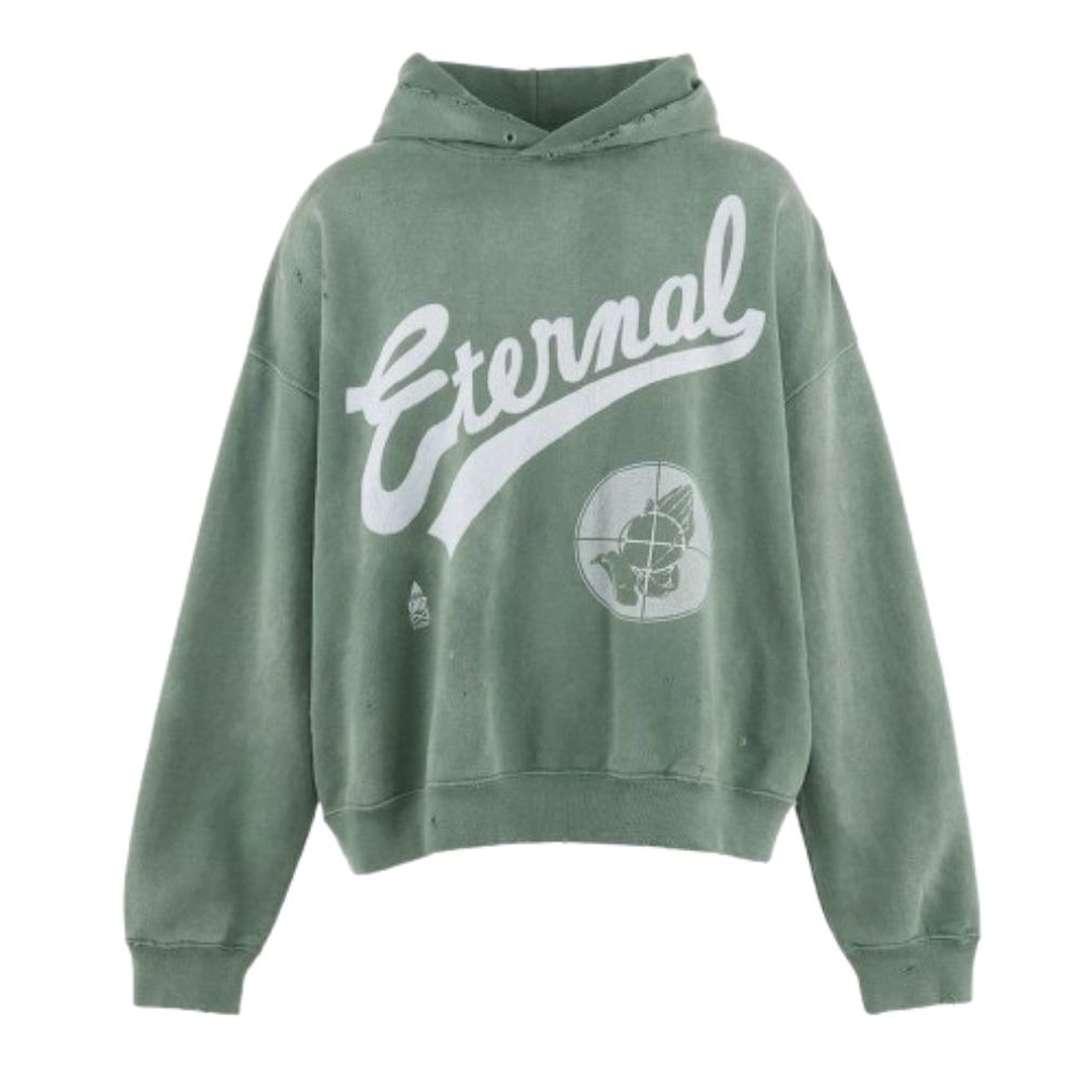
Saint Michael Hoodie: Understanding Accessible Design and Everyday Ease
1. What Makes a Hoodie Easy to Wear
Clothing should work with the person wearing it. Its value also depends on how easily someone can put it on, take it off, and adjust it. Accessible design considers different movement abilities and personal preferences.
When evaluating a Saint Michael hoodie, consider its opening, sleeves, seams, pockets, and fasteners. Small construction choices can affect everyday use.
2. Choose an Opening That Suits Your Routine
A pullover hoodie has a simple construction, but must pass over the head and shoulders. Some people prefer having no front fasteners; others find overhead dressing difficult.
A zip-up design opens fully and can reduce overhead movement. Check that its zipper moves smoothly and its pull is easy to grip.
The choice depends on the wearer's movement, preferences, and routine.
3. Check Neckline and Head Opening
The head opening should allow comfortable dressing. A narrow neckline may feel restrictive, while a wider opening can make dressing easier.
Check photographs or ask the seller about neckline measurements. Two hoodies with the same labelled size may have different openings.
4. Consider Sleeve Shape and Cuff Construction
Sleeves affect dressing and arm movement. Narrow sleeves may be difficult to pull over another layer, while excessive fabric can catch on objects.
Tight ribbed cuffs keep sleeves in place but may feel restrictive. Check their stretch and recovery. Do not call cuffs adjustable unless they have an adjustment feature.
5. Look at Fasteners and Drawstrings
Zippers, snaps, buttons, and drawstrings require different levels of hand control. Small zipper pulls can be harder to grip, and long drawstrings can catch on objects.
Some wearers prefer simple closures or no drawstrings. Check photographs and details before purchasing; removal may affect the garment.
6. Evaluate Seams, Labels, and Interior Feel
Interior details sit close to the skin. Raised seams, rough labels, or bulky stitching may bother some wearers.
Ask about interior finishes and label construction. Do not cut labels or alter seams without considering care information.
7. Make Pockets Practical
A kangaroo pocket is common on pullovers; zip-up designs may have side pockets. Consider position, opening width, and depth.
Consider what the wearer carries. Keys, cards, or phones may need a secure pocket rather than an open pouch.
8. Read Measurements Instead of Relying Only on Size
Size labels vary. Compare chest, shoulder, sleeve, and body measurements with a hoodie that already fits well.
When shopping for Saint Michael clothing online, request missing measurements instead of relying on model photographs.
9. Ask Useful Questions Before Buying
Ask the seller about zipper operation, cuff stretch, neckline width, pocket openings, and drawstrings.
Review the return policy and its deadlines before ordering.
10. Match the Garment to the Wearer's Preferences
Accessible clothing is not one universal design. Preferences may include a wide pullover opening, a full zip, soft finishes, roomy sleeves, or simple pockets.
Involve the wearer in the decision. Ask which features help, and avoid assumptions based on age or appearance.
11. Review the Complete Product Listing
A useful listing shows several angles, accurate material details, measurements, and close-ups of closures. Contact the store if key information is missing.
Assess a Saint Michael hoodie as a complete garment, not only by its artwork. Clear information helps shoppers choose Saint Michael clothing that suits their needs.
12. Consider Hood Length and Overall Shape
The hood affects how a garment feels. A heavy hood may pull backward, while a shallow hood may not sit comfortably. Check its depth, lining, and how it rests when lowered. Side photographs can reveal its shape better than a front view.
Consider body length too. A longer cut may provide more coverage when sitting, while a shorter one may allow easier movement. Compare measurements with the wearer's preferences rather than treating one silhouette as universally comfortable.
13. Think About Layering and Daily Tasks
A hoodie may be worn over a T-shirt or under a coat. Check that sleeves and body leave room for usual layers without creating excess fabric that interferes with reaching, carrying bags, or using a desk.
Consider regular activities. Someone who uses a wheelchair, mobility aid, or work equipment may have different practical needs from someone who mostly relaxes at home. Ask the wearer what matters instead of assuming one design works for everybody.
14. Make Product Information More Inclusive
Stores can make online shopping easier by describing construction in plain language. Listings can identify pullover or zip-up construction, cuff elasticity, hood depth, pocket type, and measurements. Photographs should show closures and interior finishes clearly.
Avoid claiming a garment suits everyone. Explain its features and let customers decide whether they match their needs. Inclusive information is specific, respectful, and honest. It helps shoppers compare options without assumptions about their abilities or preferences.
Detailed listings also help customers ask better questions before completing an order.
Conclusion
Accessible design uses practical details to make clothing easier to manage. Openings, sleeves, fasteners, labels, and pockets affect the wearing experience. Consider the wearer's preferences and assess function as well as appearance. A well-informed choice focuses on function as well as appearance, helping the garment become a useful part of everyday dressing.
Frequently Asked Questions
1. Is a zip-up hoodie easier to put on than a pullover?
It can be easier for people who prefer a front opening, but the best option depends on individual movement and preference.
2. What hoodie features can make dressing easier?
A suitable neckline, comfortable sleeves, manageable fasteners, and practical openings may help make dressing simpler.
3. Are drawstrings necessary on a hoodie?
No. Some designs include them for adjustment, while others use a fixed hood without drawstrings.
4. What should I ask a seller before buying?
Ask about measurements, zipper operation, cuff stretch, neckline width, pocket openings, and other construction details that matter to the wearer.
5. Why are detailed product photographs important?
They help shoppers inspect garment features that may not be clear from a general front-facing product image.


