


How 2D Game Development Companies Use Player Feedback to Improve Game Quality
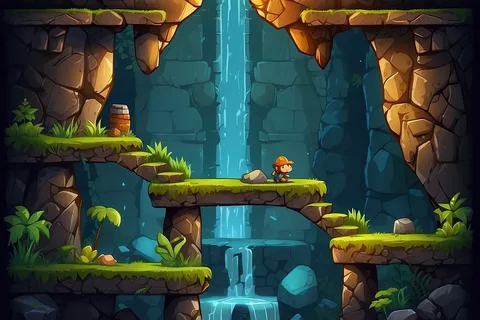
Creating a successful game requires more than attractive visuals, engaging gameplay, and innovative ideas. While developers can use their skills and experience to build impressive gaming experiences, players are the ones who interact with the final product and provide valuable insights about what works and what needs improvement. Player feedback has become one of the most important resources for improving game quality, refining features, and creating experiences that match audience expectations.
A professional 2D game development company understands that game development is not a one-time process that ends after launch. Instead, successful games continue to evolve through updates, improvements, and adjustments based on player responses. By collecting and analyzing feedback, developers can identify issues, enhance gameplay mechanics, and create stronger connections with their audience.
From early testing stages to post-launch updates, player opinions help developers make informed decisions. Whether the feedback involves difficulty levels, controls, performance issues, storytelling, or new feature suggestions, every insight can contribute to building a better game.
The Importance of Player Feedback in Game Development
Player feedback provides developers with direct information about how users experience a game. While internal testing helps identify technical problems, real players often discover issues that developers may overlook.
A game development company can spend months designing and testing a project, but players interact with the game in different ways once it becomes available to a wider audience. Their experiences reveal valuable details about usability, enjoyment, and overall satisfaction.
Feedback helps answer important questions:
- Are players enjoying the gameplay mechanics?
- Is the difficulty level balanced?
- Are controls easy to understand?
- Are there features that need improvement?
- Are technical problems affecting the experience?
By understanding player opinions, developers can focus their efforts on changes that create meaningful improvements.
Gathering Feedback During Early Development
Many successful games involve players before the final release. Early testing allows developers to collect opinions from a smaller group of users and make improvements before launching the complete product.
During beta testing, selected players can explore different parts of the game and provide feedback about gameplay, design, and performance. This process helps identify potential problems while changes are still easier to implement.
A 2D game development company may use different testing approaches, including closed testing with selected users, public beta versions, and early access releases. These methods allow developers to observe how players interact with the game in realistic situations.
Early feedback can influence important decisions, such as adjusting character abilities, improving level design, or changing certain mechanics to make gameplay more enjoyable.
Understanding Player Preferences
Every group of players has different expectations. Some enjoy challenging gameplay, while others prefer relaxed experiences. Some players focus on storytelling, while others prioritize competitive features or exploration.
Feedback helps developers understand what their audience values most. Instead of relying only on assumptions, teams can use real player opinions to guide design decisions.
For example, if players consistently mention that a particular level feels too difficult, developers can analyze the problem and adjust the difficulty curve. Similarly, if players enjoy a specific character or feature, developers may expand on those elements in future updates.
This understanding allows developers to create games that better match player interests.
Improving Gameplay Mechanics
Gameplay is one of the most important areas influenced by player feedback. Even small issues with controls, movement, combat systems, or level design can affect the overall experience.
Players often provide valuable suggestions about how gameplay can become smoother and more enjoyable. Developers analyze these suggestions and determine which changes will improve the experience without affecting the original vision of the game.
For example, players may suggest improvements to character movement, interface design, or game progression. A professional team evaluates this feedback and implements changes that create better balance and usability.
A skilled game development company knows that refining gameplay is an ongoing process. Continuous improvement helps maintain player interest and keeps the game competitive.
Identifying Technical Problems
Performance issues can significantly impact player satisfaction. Bugs, crashes, slow loading times, and compatibility problems can prevent players from fully enjoying a game.
Player feedback is extremely useful for identifying technical issues that may not appear during internal testing. Different players use different devices, operating systems, and hardware configurations, which can reveal problems developers did not encounter.
A 2D game development company reviews reports about technical difficulties and prioritizes fixes based on their impact. Quick responses to major issues show players that developers value their experience.
Regular updates and improvements based on technical feedback help create a more stable and reliable game.
Balancing Difficulty and Challenge
Finding the right level of difficulty is one of the biggest challenges in game design. A game that is too easy may become boring, while a game that is too difficult may frustrate players.
Player feedback helps developers understand whether challenges feel fair and enjoyable. By analyzing comments and gameplay data, teams can adjust enemy behavior, level layouts, rewards, and progression systems.
The goal is to create challenges that encourage players without making them feel overwhelmed. Feedback allows developers to fine-tune difficulty based on actual player experiences rather than assumptions.
Enhancing User Interface and Controls
The user interface plays an important role in how easily players understand and interact with a game. Confusing menus, unclear instructions, or uncomfortable controls can reduce enjoyment.
Players often provide useful feedback about interface improvements. They may suggest better menu organization, clearer icons, or more responsive controls.
Developers use this information to improve accessibility and usability. Small interface changes can make a significant difference in how comfortable players feel while playing.
For mobile 2D games especially, feedback about touch controls and screen layouts helps developers create smoother experiences across different devices.
Using Feedback to Improve Content Updates
Many games continue growing after launch through updates, new levels, characters, events, and features. Player feedback helps developers decide which improvements will have the greatest impact.
Instead of creating updates based only on internal ideas, teams can focus on features that players actually want. This approach helps maintain engagement and encourages long-term support.
For example, if players request additional customization options or new gameplay modes, developers can consider these ideas when planning future updates.
A game development company that listens to its community can build stronger relationships and create a loyal player base.
Analyzing Feedback Through Data and Reviews
Player feedback comes from many sources, including surveys, reviews, social media discussions, forums, and in-game reports. Developers analyze this information to identify common patterns.
Individual opinions are valuable, but repeated feedback from many players often highlights areas that require attention. Developers use these trends to prioritize improvements.
Data analysis can also reveal player behavior, such as which features are most popular or where players stop progressing. Combining player comments with gameplay data provides a clearer understanding of the overall experience.
This information allows teams to make strategic decisions that improve both quality and player satisfaction.
Creating a Strong Relationship With Players
Listening to players does more than improve a game; it builds trust between developers and their community. When players see that their suggestions lead to meaningful changes, they feel more connected to the project.
Communication is an important part of this relationship. Developers can share updates, explain improvements, and encourage players to continue providing feedback.
A strong player community can become one of a game’s greatest strengths. Supportive communities often help promote games through recommendations, reviews, and online discussions.
A 2D game development company that values player involvement creates a more collaborative development process.
Challenges in Managing Player Feedback
Although feedback is valuable, managing it effectively can be challenging. Developers often receive thousands of opinions, and not every suggestion can be implemented.
Teams must carefully evaluate feedback based on factors such as technical feasibility, development resources, and alignment with the game’s goals.
Some requests may conflict with each other. One group of players may want increased difficulty, while another may prefer easier gameplay. Developers must analyze feedback carefully and make decisions that benefit the overall player experience.
Effective feedback management requires balancing player expectations with creative and technical considerations.
The Future of Player-Driven Game Development
As technology continues improving, player feedback will become even more important in shaping games. Advanced analytics, community platforms, and direct communication channels allow developers to understand player needs more effectively.
Future game development will likely involve even greater collaboration between creators and players. Games will continue evolving through updates, improvements, and community-driven ideas.
For developers, feedback is not simply criticism; it is a valuable source of knowledge that helps create better experiences.
Conclusion
Player feedback has become an essential part of creating high-quality games. It helps developers understand player expectations, improve gameplay, fix technical issues, and create more engaging experiences.
A successful 2D game development company recognizes that players are an important part of the development journey. By listening carefully and responding to feedback, developers can transform good games into exceptional ones.
The role of a game development company is not only to create entertaining experiences but also to continue improving them over time. Through collaboration with players, developers can build games that remain enjoyable, relevant, and memorable for years.

 English
 Arabic
 French
 Spanish
 Portuguese
 Deutsch
 Turkish
 Italiano
 Russian
 Romaian
 Portuguese (Brazil)
 Greek
Greek