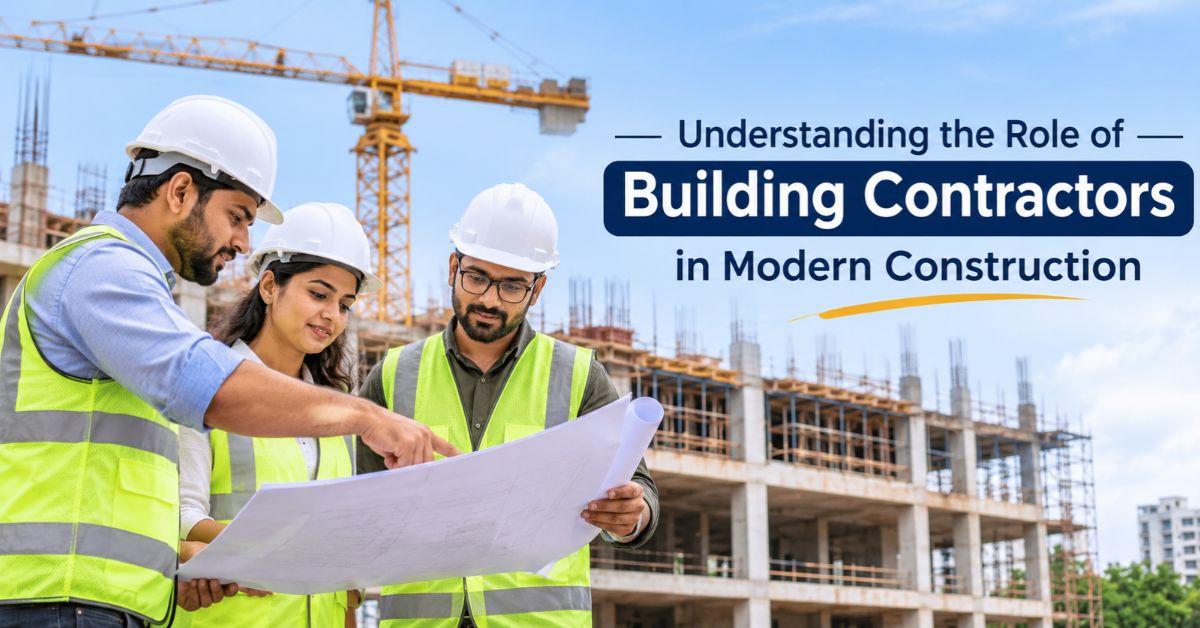
Understanding the Role of Building Contractors in Modern Construction

Modern construction involves several stages, from initial planning and material selection to structural development and final finishing. Each stage requires proper coordination, technical knowledge, and effective project management. Building Contractors in Chennai play an important role in bringing construction plans to life by managing resources, supervising on-site activities, and maintaining quality standards. Their involvement helps property owners complete residential and commercial projects with better organisation, efficiency, and attention to detail.
Managing the Overall Construction Process
One of the primary responsibilities of building contractors is overseeing the complete construction process. They coordinate different activities, including site preparation, foundation work, structural development, electrical installations, plumbing, and finishing.
Proper scheduling ensures that each activity takes place in the correct sequence. Contractors also monitor daily progress and coordinate with workers and technical professionals to minimise interruptions. Effective management helps keep the project organised and aligned with its planned objectives.
Planning and Budget Management
Construction projects require careful financial planning. Building contractors help property owners understand the resources and expenses involved in different stages of construction. These may include labour charges, construction materials, equipment, transportation, and other operational costs.
A well-prepared budget helps prevent unnecessary spending and supports better financial decisions. Contractors also monitor material usage and project expenses to identify potential cost variations. Regular communication about financial requirements helps property owners maintain better control over their construction investments.
Ensuring Quality of Materials and Workmanship
The durability of a building depends on the quality of materials and construction practices used throughout the project. Contractors play an important role in sourcing suitable materials and monitoring their application.
From cement and steel to bricks, concrete, and finishing products, every material should meet the required specifications. Contractors also supervise workmanship to ensure that construction activities follow approved drawings and technical requirements.
Regular site inspections help identify issues at an early stage. Addressing these concerns during construction can prevent expensive repairs and improve the overall quality of the finished structure.
Coordinating Skilled Professionals
Modern construction involves several specialists working together. Architects, structural engineers, electricians, plumbers, painters, and other professionals contribute their expertise at different stages.
Building contractors coordinate these teams to ensure that their activities are properly aligned. For example, electrical and plumbing installations must be planned alongside structural and interior requirements. Effective coordination reduces conflicts between different construction activities and supports smoother project execution.
Maintaining Construction Safety
Safety is an essential consideration at every construction site. Contractors are responsible for maintaining organised working conditions and ensuring that appropriate safety practices are followed.
Providing protective equipment, maintaining safe access routes, managing construction materials, and monitoring on-site activities are important safety measures. Proper supervision helps reduce workplace risks and creates a safer environment for construction workers and other personnel.
Adopting Modern Construction Technologies
Technology is changing the way construction projects are planned and executed. Modern tools and construction methods help improve accuracy, coordination, and productivity.
Digital project management platforms allow teams to track construction progress, manage schedules, and communicate updates. Advanced surveying equipment and building information modelling can also support better planning and coordination.
In addition, modern construction techniques and improved materials can contribute to better building performance, reduced material wastage, and efficient resource utilisation.
Following Building Regulations and Standards
Every construction project must comply with applicable building regulations, safety requirements, and technical standards. Contractors need to understand the relevant guidelines and ensure that construction activities follow approved plans.
They coordinate with the necessary professionals to address technical requirements and maintain proper documentation. Compliance with applicable regulations supports structural safety, responsible construction practices, and long-term building reliability.
Improving Project Timelines and Efficiency
Delays can affect construction budgets and create difficulties for property owners. Contractors help manage project timelines by preparing work schedules, arranging materials, coordinating labour, and monitoring site progress.
Identifying potential challenges early allows teams to make necessary adjustments. Proper planning and consistent supervision help maintain workflow continuity and improve the chances of completing construction within the expected timeframe.
Building Better Spaces Through Professional Collaboration
Building contractors are essential to modern construction because they connect planning with practical execution. Their responsibilities extend beyond supervising workers to include budget management, quality control, safety, material coordination, and project scheduling. Successful construction also depends on collaboration with experienced design professionals. Working with the Best Architects in Chennai helps ensure that architectural concepts, structural requirements, and construction activities remain aligned, resulting in functional, durable, and well-planned buildings.