


Blue and Gold Macaw Care Guide: Diet, Housing, and Daily Needs
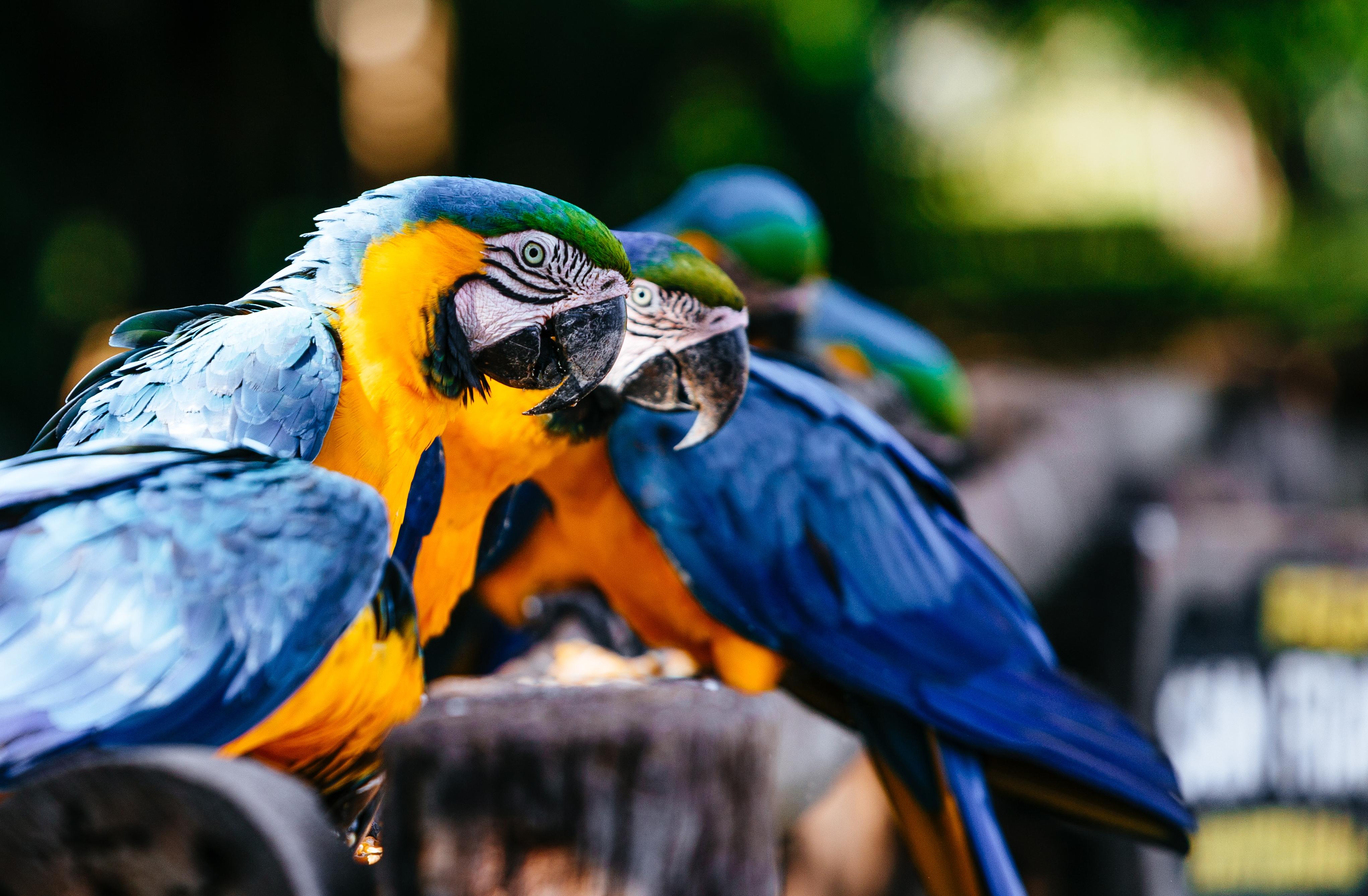
Caring for a blue and gold macaw parrot goes far beyond feeding and cage cleaning. These birds are highly intelligent and physically active, and their daily needs reflect that. This guide walks through the essentials of diet, housing, exercise, and grooming so both new and experienced owners can keep their macaw healthy and thriving.
Daily Diet and Nutrition
A balanced diet is the foundation of good health for any blue and gold macaw. In the wild, these birds forage across large areas for seeds, nuts, fruits, and vegetation, and a captive diet should reflect that variety rather than relying on seed mixes alone.
Fresh Foods
A high-quality pelleted diet should make up the bulk of daily meals, supplemented with fresh vegetables such as leafy greens, carrots, sweet potato, and squash. Fruits like apple, mango, and berries can be offered in moderation, and nuts such as almonds and walnuts in the shell make excellent enrichment as well as nutrition, since cracking them mimics natural foraging behavior.
Foods to Avoid
Certain foods are toxic to macaws and must never be offered. These include avocado, chocolate, caffeine, alcohol, onions, and anything high in salt or sugar. Fresh, clean water should always be available and changed daily.
Cage and Housing Requirements
Given their size, blue and gold macaws need large, sturdy cages built specifically for big parrots. A minimum cage size of 36 by 48 inches with a height of at least 60 inches is generally recommended, though many owners provide an even larger space or an outdoor aviary when climate allows. Bar spacing should be no more than 1.5 inches to prevent injury, and the cage should include multiple perches of varying diameters to support foot health.
Exercise and Enrichment
Macaws are active, curious birds that need several hours outside the cage each day. Supervised time on a play stand, regular wing stretching, and access to climbing structures all help keep muscles strong and prevent boredom-related behaviors. Rotating toys, including foraging puzzles, shreddable wood, and chew items, keeps the mind engaged and reduces the risk of feather plucking or excessive screaming that can develop in under-stimulated birds.
Grooming Needs
Routine grooming supports both health and safety. Nails typically need trimming every few weeks to prevent overgrowth, while wing feathers may be trimmed if an owner wants to limit flight indoors, though this should always be done by an experienced groomer or avian veterinarian. Bathing is also important; most macaws enjoy being misted with water or offered a shallow bath a few times a week, which helps keep feathers clean and skin healthy.
Temperature, Humidity, and Environment
Blue and gold macaws are native to warm, humid regions of South America, so they do best in stable indoor temperatures, generally between 65 and 80 degrees Fahrenheit, away from drafts, direct heating or cooling vents, and sudden temperature swings. Kitchens can be particularly hazardous, since overheated non-stick cookware releases fumes that are toxic to birds, and strong cleaning products or aerosols should also be kept well away from the cage. Many owners find that placing the cage in a family living area, rather than an isolated room, helps meet the bird's social needs while keeping the environment stable and predictable.
Common Care Mistakes
New owners often underestimate the time commitment a macaw requires. Leaving a bird alone in its cage for most of the day, feeding a seed-only diet, or skipping regular veterinary checkups are among the most common mistakes. Because these birds bond so strongly with their owners, inconsistent attention can lead to stress-related behaviors such as feather damage or excessive vocalization.
FAQ
How much time does a blue and gold macaw need outside its cage?
Most macaws need at least two to four hours of supervised out-of-cage time daily for exercise and mental stimulation.
What is the ideal cage size?
A minimum of 36 by 48 inches with 60 inches of height, though larger is always better for a bird of this size.
Can blue and gold macaws eat fruit every day?
Yes, in moderate amounts alongside a pelleted diet and vegetables, avoiding foods with high sugar content.
Providing the right diet, spacious housing, daily exercise, and consistent grooming will go a long way toward keeping a blue and gold macaw parrot physically healthy and behaviorally balanced for decades to come.

 English
 Arabic
 French
 Spanish
 Deutsch
 Turkish
 Dutch
Dutch
 Italiano
 Russian
 Romaian
 Portuguese (Brazil)
 Greek
Greek