


Everything You Need to Know About 300 Hour Yoga Teacher Training in India
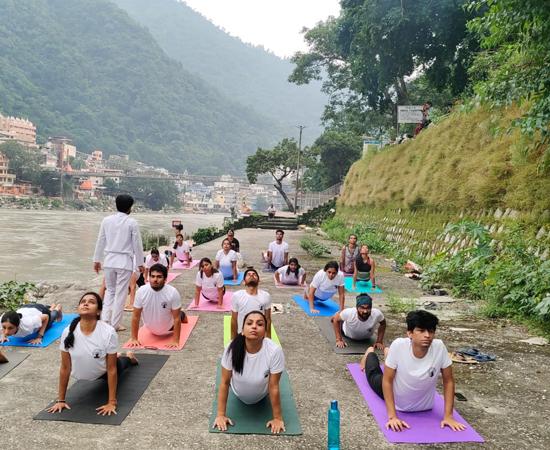
If you have already completed a 200-hour Yoga Teacher Training (YTT) and are ready to deepen your knowledge, a 300 Hour Yoga Teacher Training in India is the next step in your yoga journey. Designed for dedicated practitioners and certified yoga teachers, this advanced program expands your understanding of yoga beyond the basics. It allows you to refine your teaching skills, explore advanced yogic philosophies, and develop a more authentic and confident teaching style.
India, the birthplace of yoga, offers a unique environment where students can immerse themselves in ancient traditions while learning from experienced teachers. From the peaceful foothills of the Himalayas to the spiritual banks of the Ganges River, India provides an atmosphere that supports personal transformation as much as professional development.
Whether your goal is to become an internationally recognized yoga instructor, strengthen your personal practice, or gain a deeper understanding of yogic science, a 300 Hour yoga teacher training course can be a life-changing experience.
What Is a 300 Hour Yoga Teacher Training?
A 300 Hour Yoga Teacher Training is an advanced certification program that builds upon the knowledge gained during a 200-hour YTT. It is intended for students who already hold a recognized 200-hour certification and wish to continue their education.
The course focuses on advanced yoga techniques, teaching methodology, anatomy, philosophy, meditation, pranayama, and specialized yoga practices. Instead of simply learning more postures, students develop a deeper awareness of the physical, mental, emotional, and spiritual aspects of yoga.
After completing both a 200-hour and a 300 Hour certification, graduates become eligible for a 500-hour yoga teacher designation through many internationally recognized yoga organizations, provided all certification requirements are met.
Why Choose India for Your 300 Hour Yoga Teacher Training?
India has been the home of yoga for thousands of years. Learning yoga in its country of origin offers an experience that extends far beyond classroom instruction.
Authentic Learning Environment
Many yoga schools in India teach traditional yoga while incorporating modern educational methods. Students often learn directly from experienced teachers who have spent decades studying classical yogic texts and practices.
Spiritual Atmosphere
Cities such as Rishikesh, Mysore, Kerala, and Dharamshala are known for their peaceful surroundings, temples, meditation centers, and yoga communities. These environments encourage mindfulness, self-reflection, and personal growth.
Affordable Education
Compared to many Western countries, yoga teacher training programs in India often provide excellent value. Tuition commonly includes accommodation, nutritious meals, study materials, and practical training, making it more accessible for international students.
Cultural Immersion
Training in India allows students to experience traditional customs, Ayurvedic principles, local cuisine, festivals, and ancient spiritual practices that complement their yoga education.
What Will You Learn During the Course?
Although each yoga school has its own curriculum, most 300 Hour teacher training programs cover a comprehensive range of advanced subjects.
Advanced Asana Practice
Students refine alignment, balance, flexibility, strength, and transitions while learning advanced variations of standing, seated, balancing, twisting, backbending, and inversion postures.
Pranayama
Breathwork becomes significantly more advanced. Students learn techniques that improve concentration, increase energy, and promote emotional balance while understanding the physiological effects of each breathing practice.
Meditation
The course explores different meditation methods that help cultivate awareness, mental clarity, and emotional stability. Daily meditation strengthens both personal practice and teaching ability.
Yoga Philosophy
Students study classical yogic texts such as:
Yoga Sutras of Patanjali
Bhagavad Gita
Hatha Yoga Pradipika
These teachings provide valuable insights into the ethical and philosophical foundations of yoga.
Functional Anatomy
A deeper understanding of anatomy helps teachers safely guide students with different body types, physical limitations, and movement patterns.
Topics often include:
Skeletal alignment
Muscular function
Joint mobility
Injury prevention
Safe posture modifications
Teaching Methodology
Advanced teacher training emphasizes effective communication and classroom management.
Students practice:
Voice projection
Class sequencing
Hands-on adjustments
Observation skills
Student assessment
Creating themed yoga classes
Teaching diverse student populations
Who Should Join a 300 Hour Yoga Teacher Training?
This program is ideal for:
Certified 200-hour yoga teachers
Yoga instructors seeking career advancement
Practitioners wishing to deepen their personal practice
Wellness professionals
Fitness trainers
Therapists integrating yoga into their work
Individuals interested in advanced yogic philosophy and meditation
The course is not designed for complete beginners, as students are expected to have a solid understanding of foundational yoga practices before enrolling.
Benefits of Completing a 300 Hour Yoga Teacher Training
Enhanced Teaching Skills
Graduates develop greater confidence in planning classes, providing adjustments, and adapting sessions for students with different experience levels.
Deeper Knowledge
The program explores yoga beyond physical exercise, helping students understand breath, energy systems, philosophy, mindfulness, and holistic wellness.
Professional Growth
An advanced certification can open opportunities to teach workshops, retreats, advanced classes, and teacher training programs, depending on experience and local requirements.
Personal Transformation
Many graduates describe the training as a journey of self-discovery. Daily practice, disciplined routines, and reflective study often lead to increased confidence, emotional resilience, and self-awareness.
Global Recognition
Completing an internationally recognized 300 Hour course strengthens your professional credentials and may expand teaching opportunities both locally and internationally.
A Typical Daily Schedule
Although schedules vary between schools, most programs follow a structured daily routine.
Morning
Meditation
Pranayama
Advanced asana practice
Late Morning
Yoga philosophy
Anatomy
Afternoon
Healthy vegetarian lunch
Self-study
Rest
Evening
Teaching practice
Workshops
Group discussions
Yin or restorative yoga
Meditation
This balanced routine helps students integrate theory with practical experience throughout the course.
How Long Does the Course Take?
Most residential 300 Hour yoga teacher training programs last between 4 and 6 weeks, depending on the school's curriculum and daily schedule.
Some institutions also offer flexible weekend, modular, or online learning formats for students who cannot attend full-time residential programs.
What Should You Look for When Choosing a Yoga School?
Selecting the right school is one of the most important decisions you'll make.
Consider the following factors:
Experienced and qualified instructors
Comprehensive curriculum
Small class sizes
Positive student reviews
Comfortable accommodation
Nutritious vegetarian meals
Practical teaching opportunities
Transparent pricing
Safe and supportive learning environment

 English
 Arabic
 French
 Spanish
 Portuguese
 Deutsch
 Turkish
 Dutch
Dutch
 Italiano
 Russian
 Portuguese (Brazil)
 Greek
Greek