


12. The $800 Fix Every Edmonton Basement Needs
Edmonton Backwater Valve: Complete Homeowner Guide
Meta Description (155 characters): Protect your basement from sewer backup. Learn how an Edmonton backwater valve works, installation costs, EPCOR rebates, and how to qualify.
Edmonton Backwater Valve: The Complete Homeowner's Guide to Sewer Backup Protection
If you've ever heard a horror story about a flooded Edmonton basement full of raw sewage, chances are the home didn't have a backwater valve. This single device often overlooked until disaster strikes is one of the most cost-effective ways to protect your property from thousands of dollars in flood damage.
In this guide, you'll learn exactly what an Edmonton backwater valve is, how it works, what installation involves, how much it costs, and how to take advantage of EPCOR's subsidy program. We'll also touch on related plumbing concerns Edmonton homeowners commonly face, from poly B Edmonton piping issues to when you might need hydro jetting Edmonton services to clear a stubborn line. By the end, you'll know exactly what steps to take to keep your home dry and protected.
What Is a Backwater Valve, and Why Does Edmonton Need Them?
A backwater valve (also called a sewer backflow preventer or backflow valve) is a one-way valve installed on your home's main sewer line or a branch line. Its job is simple but critical it lets wastewater flow out of your home into the municipal sewer system, and automatically closes if that flow ever reverses direction.
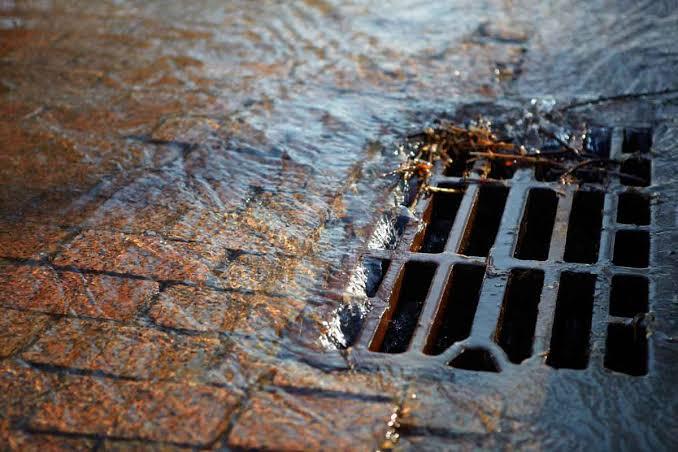
Edmonton's older neighbourhoods rely on a combined or aging sewer infrastructure that can become overwhelmed during heavy spring and summer rainstorms. When the municipal system backs up, water and sewage look for the path of least resistance which is often straight back through your floor drains, toilets, and basement fixtures. A properly installed backwater valve stops that reverse flow before it ever reaches your living space.
Homes built after 1989 in Edmonton were generally required to have a backwater valve installed as part of the plumbing code. If your home was built before then, there's a good chance you don't have one which puts you at a meaningfully higher risk during major storm events.
How the Valve Actually Works
Inside the valve housing sits a flap or gate mechanism. Under normal conditions, gravity keeps it open, allowing wastewater to flow freely out of the home. If sewer water starts pushing back toward the house because the municipal line is overwhelmed pressure forces the flap to close, sealing off the pipe and keeping sewage out of your basement.
Because the valve works passively using gravity and pressure differences, it requires no electricity and very little maintenance once properly installed.
Signs Your Edmonton Home May Need a Backwater Valve
-
Your home was built before 1989
-
You've experienced water pooling around floor drains during heavy rain
-
You've had a sewer backup in the past, even a minor one
-
Your basement is finished or contains valuable belongings
-
Neighbours on your street have reported flooding issues
-
You're planning a basement renovation (a good time to add one)
If any of these apply, it's worth having a licensed plumber inspect your home's sewer line configuration to determine the best valve placement.
Installation Process: What to Expect
Installing a backwater valve is a permitted plumbing job in Edmonton, and for good reason improper installation can actually create new problems, including blockages or code violations. Here's a general overview of what the process looks like:
-
Assessment. A plumber inspects your home's sewer line, usually via camera inspection, to find the best location for the valve either on the main line or a branch line.
-
Permit application. Because this work affects your home's plumbing system, a permit is required before installation begins.
-
Excavation or access. Depending on where the valve needs to go, this may involve breaking into a basement floor slab or accessing an exterior cleanout.
-
Valve installation. The plumber installs an approved backwater valve, ensuring correct orientation and sealing.
-
Inspection and sign-off. A municipal inspector confirms the work meets code before the job is considered complete.
-
Testing. Your plumber will test the valve to confirm the flap opens and closes properly.
Most installations are completed within a single day, though access issues or additional excavation can extend the timeline.
Cost of a Backwater Valve Installation in Edmonton
Costs vary depending on accessibility, the age of your home's plumbing, and whether excavation is required. On average, homeowners can expect a range that reflects labour, materials, permits, and any concrete work involved. The good news is that Edmonton homeowners don't have to cover the full cost out of pocket.
EPCOR's Backwater Valve Subsidy Program
EPCOR, which manages Edmonton's drainage services, offers a subsidy program that can reimburse eligible homeowners up to $800 toward the cost of an approved backwater valve and accredited installation. To take advantage of it, homeowners generally need to:
-
Have a pre-approval consultation with EPCOR's Flood Prevention team before installation
-
Use an approved valve and licensed, accredited installer
-
Obtain the necessary permits and pass inspection
-
Submit proof of installation and receipts for reimbursement
Because program details and eligibility criteria can be updated periodically, it's worth confirming current requirements directly with EPCOR's Flood Prevention team before booking your installation, so your project qualifies for the rebate from the start.
Backwater Valves and Other Common Edmonton Plumbing Concerns
A backwater valve doesn't operate in isolation it's one part of a broader plumbing and drainage system. Edmonton homeowners dealing with an aging home often encounter several related issues worth understanding.
Poly B Edmonton: A Related Concern for Older Homes
Homes built between the mid-1970s and mid-1990s in Edmonton may still have polybutylene (Poly B) piping, a type of plastic water supply line that was popular for its low cost and ease of installation. Unfortunately, Poly B has a well-documented history of unexpected failures, particularly at fittings, and many insurance providers now require poly B replacement Edmonton homeowners to complete before issuing or renewing a policy.
If you're already having plumbing work done such as a backwater valve installation it can be a practical time to have a plumber assess your home's water lines and flag any Poly B piping that may need replacing down the road.
When Hydro Jetting Might Be Necessary
If your sewer line has years of grease, roots, or debris buildup, a backwater valve alone won't solve chronic drainage slowdowns. Hydro jetting Edmonton plumbers offer uses high-pressure water to clear buildup from the inside of pipes, restoring full flow capacity. It's often recommended before or alongside backwater valve installation if a camera inspection reveals a compromised or partially blocked line.
Other Related Services Homeowners May Encounter
-
Emergency boiler repair Edmonton: For homes with hydronic heating systems, a failed boiler in winter is its own emergency, separate from sewer backup risk but equally important to have a trusted contractor on call for.
-
Edmonton cistern installer: Some acreage or rural-fringe properties near Edmonton rely on cisterns rather than municipal water, and periodic inspection or replacement may be needed.
-
Septic tank cleaning Sherwood Park: Properties just outside Edmonton's municipal service area, including parts of Sherwood Park, often rely on septic systems that require regular pump-outs and maintenance a different but related consideration for property owners managing their own wastewater systems.
Real-World Scenario: Why Proactive Installation Pays Off
Consider a typical older Edmonton bungalow, built in the 1970s, with an unfinished basement the homeowners were planning to renovate into a family room. During a summer storm, a neighbour's home flooded when the municipal sewer backed up. The homeowners in question hadn't yet installed a backwater valve, but the near-miss prompted them to act before finishing their basement.
They had a plumber install a valve on the main line, applied for the EPCOR subsidy, and completed the renovation with confidence. A year later, during another heavy rain event, their home stayed dry while several neighbouring properties without valves reported backups. The cost of the valve and installation was a fraction of what a single flood cleanup and basement rebuild would have cost.
This scenario illustrates the core value proposition a backwater valve is inexpensive insurance against a very expensive problem.
Pros and Cons of Installing a Backwater Valve
Pros:
-
Significantly reduces risk of sewage backup flooding
-
Passive operation no power source or manual activation needed
-
Partially subsidized through EPCOR's program
-
Can increase home resale value and insurability
-
Low maintenance once properly installed
Cons:
-
Upfront installation cost, even with the subsidy
-
May require breaking into a concrete basement floor
-
Requires periodic testing to ensure the flap mechanism isn't stuck or damaged
-
Not effective against basement flooding caused by groundwater or foundation issues (a sump pump addresses that separately)
Frequently Asked Questions
Does every Edmonton home have a backwater valve? No. Homes built before 1989 were not required to have one, so many older properties across Edmonton still lack this protection.
How do I know if my home already has a backwater valve? A licensed plumber can locate it through a camera inspection or by checking common installation points, such as near the main sewer line exit or floor drain area.
Is the EPCOR subsidy available to every homeowner? Eligibility depends on specific program criteria, including using an approved valve and accredited installer, and completing a pre-approval consultation. Confirming directly with EPCOR before starting work is the safest approach.
Can I install a backwater valve myself? This isn't recommended. Because it requires a permit, inspection, and precise installation to function correctly, it should be handled by a licensed plumber familiar with Edmonton's code requirements.
Does a backwater valve replace the need for a sump pump? No. A backwater valve protects against sewer backflow, while a sump pump manages groundwater seepage. Many Edmonton homes benefit from having both.
Final Thoughts: Protecting Your Edmonton Home Starts Below the Surface
A backwater valve is one of those investments that homeowners rarely think about until it's too late. Given Edmonton's aging infrastructure in many neighbourhoods and the increasing frequency of intense summer storms, installing one especially in a pre-1989 home is a practical step toward protecting your basement, your belongings, and your peace of mind.
If your home doesn't have one yet, now is a good time to book a consultation with a licensed Edmonton plumber, ask about EPCOR's subsidy program, and get an inspection scheduled before the next storm season arrives.
Have you had a backwater valve installed, or dealt with a sewer backup in your Edmonton home? Share your experience in the comments below, or pass this guide along to a neighbour who might need it. And if you're ready to get a quote, reach out to a licensed local plumber today to schedule your inspection.

 English
 Arabic
 French
 Spanish
 Portuguese
 Deutsch
 Turkish
 Italiano
 Russian
 Romaian
 Portuguese (Brazil)
 Greek
Greek