


How a Rideshare Accident Lawyer Can Help You Get Compensation
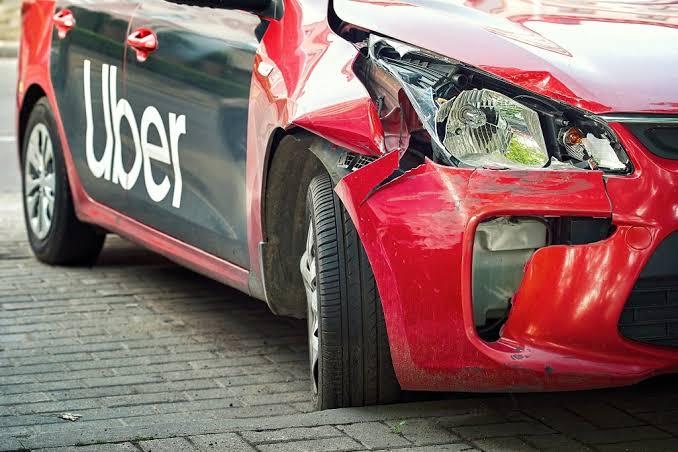
Rideshare services have transformed the way people travel, offering convenient transportation through apps and flexible driving opportunities. However, when a rideshare vehicle is involved in a collision, determining who is responsible for the resulting injuries and financial losses can be complicated. Multiple insurance policies, drivers, rideshare companies, and other parties may become involved in the claim.
If you have been injured in a rideshare crash, understanding your legal rights is an important first step. A Rideshare Accident Lawyer can review the circumstances of your accident, identify potentially responsible parties, deal with insurance companies, and help you pursue compensation for your losses.
Understanding Rideshare Accident Claims
Rideshare accidents can involve several different circumstances. A passenger may be injured while riding in an Uber or Lyft vehicle, a rideshare driver may be struck by another motorist, or another driver, pedestrian, or cyclist may be involved in a collision with a rideshare vehicle.
Unlike a typical two-car accident, rideshare claims can involve different insurance arrangements depending on what the rideshare driver was doing when the crash occurred. Whether the driver was offline, waiting for a ride request, traveling to pick up a passenger, or transporting a passenger can affect which coverage may apply.
This complexity can make it difficult for an injured person to determine where to file a claim and which insurance company should be contacted.
Determining Who May Be Responsible
One of the most important parts of a rideshare injury claim is identifying liability. Depending on the circumstances, responsibility may fall on the rideshare driver, another motorist, a rideshare company, a vehicle manufacturer, or another party.
For example, if another driver caused the crash by speeding or running a red light, that driver's insurance may be responsible for the damages. If the rideshare driver caused the collision, the applicable rideshare coverage may depend on the driver's status at the time of the accident.
A lawyer can investigate the accident and examine evidence to determine how the collision happened. This may include reviewing police reports, photographs, traffic-camera footage, witness statements, vehicle damage, app records, and other relevant information.
Reviewing Available Insurance Coverage
Insurance is often one of the most complicated aspects of a rideshare accident. Rideshare drivers generally have personal auto insurance, while rideshare platforms may provide additional insurance coverage under certain circumstances.
The applicable coverage can depend on factors such as whether the driver was logged into the rideshare application, waiting for a passenger request, traveling to pick up a passenger, or carrying a passenger.
Insurance companies may also attempt to limit their financial responsibility. They may argue that another party should pay or that the injuries are less serious than claimed. Understanding the different policies involved can help ensure that a valid claim is directed toward the appropriate coverage.
Calculating the Full Value of Your Claim
After an accident, it can be tempting to focus only on immediate expenses, such as emergency treatment or vehicle repairs. However, serious injuries can create financial consequences that continue for months or even years.
A compensation claim may potentially include damages such as:
-
Emergency medical treatment
-
Hospital and physician expenses
-
Prescription and rehabilitation costs
-
Lost wages
-
Reduced future earning capacity
-
Property damage
-
Physical pain and suffering
-
Emotional distress
-
Costs associated with ongoing care
-
Other accident-related financial losses
The exact damages available depend on the facts of the case and applicable state law. Properly documenting these losses is important because insurance companies may request evidence supporting every significant part of a claim.
Gathering and Preserving Important Evidence
Evidence can become harder to obtain as time passes. Witnesses may forget details, surveillance recordings may be deleted, and physical evidence can change or disappear.
A lawyer can help identify and preserve important evidence related to the collision. This may include accident reports, medical records, photographs, videos, witness information, vehicle records, rideshare trip information, and communications with insurance companies.
Medical documentation is particularly important when proving the connection between the accident and an injury. Even injuries that initially appear minor may require continued treatment. Following medical recommendations and keeping records of appointments and expenses can provide valuable documentation for a claim.
Handling Insurance Companies
Insurance adjusters may contact accident victims soon after a collision. Although an adjuster may appear helpful, the insurance company's primary objective is generally to resolve claims efficiently and control costs.
An injured person may be asked to provide a recorded statement, sign documents, or accept a settlement before the full extent of the injuries is known. Accepting an early settlement can potentially prevent a person from recovering additional compensation later, depending on the terms of the agreement.
Legal representation can help manage communications with insurers and reduce the risk of making statements that could negatively affect a claim. A lawyer can also review settlement offers and explain whether the proposed amount reasonably reflects the documented losses.
Negotiating a Fair Settlement
Many accident claims are resolved through negotiations rather than a trial. The settlement process may involve presenting evidence of liability, documenting damages, and negotiating with the relevant insurance companies.
A strong claim should be supported by evidence showing why another party is legally responsible and how the accident affected the injured person. Medical records, wage documentation, accident evidence, and other supporting materials can strengthen the negotiation process.
If an insurance company refuses to offer a reasonable settlement, an attorney can explain the available legal options, including whether filing a lawsuit may be appropriate.
Filing a Lawsuit When Necessary
Not every rideshare accident claim can be resolved through an insurance settlement. If negotiations fail, litigation may become necessary.
A lawsuit involves formal legal procedures, evidence gathering, deadlines, court filings, and potentially a trial. An attorney can prepare the necessary documents, communicate with opposing parties, develop legal arguments, and represent the injured person throughout the process.
It is important to remember that personal injury claims are subject to statutes of limitations. These deadlines vary by state and by the circumstances of the case. Waiting too long to take legal action may affect the ability to pursue compensation.
Protecting Your Legal Rights After a Rideshare Crash
There are several practical steps accident victims can take after a rideshare collision. First, seek appropriate medical attention, particularly if you have symptoms of an injury. Some conditions may not become obvious immediately after a crash.
If possible, document the accident scene with photographs or video. Collect contact and insurance information from the involved parties and obtain the rideshare driver's information. Keep copies of medical bills, receipts, wage-loss records, and other accident-related documents.
Avoid posting detailed statements about the accident on social media, as photographs or comments may potentially be used by an insurance company to challenge aspects of a claim. Most importantly, avoid agreeing to a settlement before understanding the full value and legal implications of the offer.
Why Legal Guidance Can Make a Difference
Rideshare accident claims can involve complicated insurance rules and questions about liability. An experienced attorney can help organize the facts, investigate the collision, evaluate damages, and communicate with insurers.
Professional legal guidance may also help an injured person understand what compensation may be available and what steps should be taken to protect the claim. Every accident is different, so the appropriate strategy depends on the injuries, evidence, insurance coverage, and laws applicable to the location where the collision occurred.
Frequently Asked Questions
1. When should I contact a lawyer after a rideshare accident?
It is generally advisable to seek legal guidance as soon as reasonably possible after a serious accident. Early assistance can help preserve evidence, identify applicable insurance coverage, and ensure important legal deadlines are not overlooked.
2. Can I receive compensation if I was a rideshare passenger?
Potentially. If you were injured while riding in a rideshare vehicle, the available compensation may depend on who caused the accident, the driver's status during the trip, and the applicable insurance policies. A review of the specific circumstances is necessary to determine the available options.
3. What damages can I seek after a rideshare crash?
Depending on the circumstances and applicable law, damages may include medical expenses, lost income, reduced earning capacity, property damage, pain and suffering, emotional distress, and other accident-related losses.
4. What if another driver caused the rideshare accident?
If another motorist caused the collision, that driver's insurance may be responsible for covered damages. However, additional insurance coverage may potentially apply depending on the rideshare driver's status and the circumstances of the crash.
5. Should I accept an insurance settlement immediately?
It is important to understand the full consequences of a settlement before accepting it. Once a settlement is finalized, you may have limited ability to seek additional compensation for the same accident. Reviewing an offer with a qualified attorney can help you understand your options.
Conclusion
A rideshare accident can result in serious physical, emotional, and financial consequences. Determining liability, identifying applicable insurance coverage, documenting damages, and negotiating with insurers can be challenging without legal knowledge. A qualified Rideshare Accident Lawyer can help investigate the collision, protect your rights, assess your losses, and pursue the compensation available under applicable law.
Taking prompt action, preserving evidence, following medical advice, and understanding your legal options can put you in a stronger position when dealing with a rideshare accident claim.

 English
 Arabic
 French
 Portuguese
 Deutsch
 Turkish
 Dutch
Dutch
 Italiano
 Russian
 Romaian
 Portuguese (Brazil)
 Greek
Greek