


From Product Access to Better Awareness: Egypt’s Menstrual Care Conversation Is Evolving
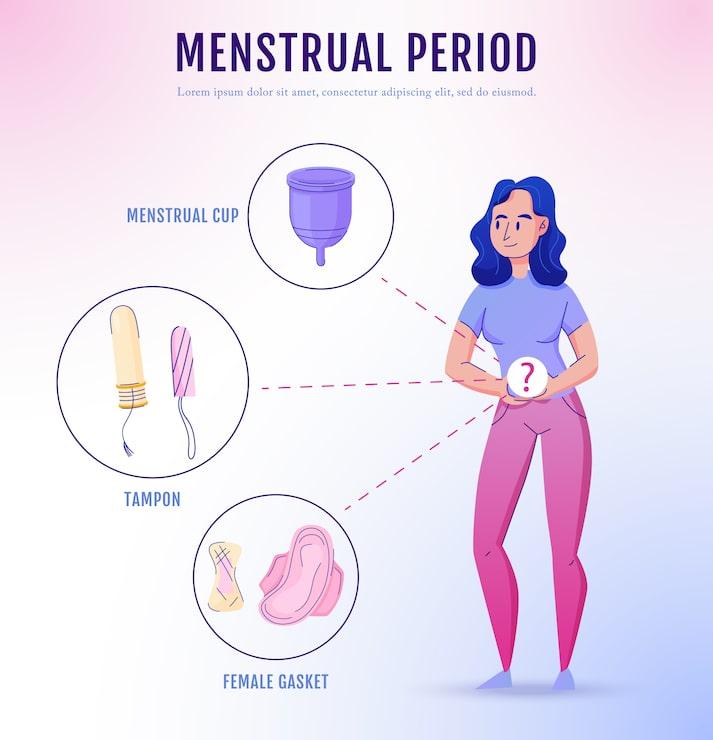
Menstrual care in Egypt increasingly sits at the intersection of personal hygiene, health education, product accessibility, comfort, and social awareness. For women and adolescent girls, access to suitable menstrual products is only one component of managing menstruation confidently. Accurate information, appropriate hygiene practices, supportive environments, and the ability to discuss menstrual health without stigma are equally important. These factors are encouraging a broader conversation that treats menstruation as an everyday health matter rather than a subject that should remain hidden.
According to a Vyansa Intelligence report, Egypt’s menstrual care sector was valued at USD 350 million in 2025 and is projected to reach USD 415 million by 2032, representing a 2.46% CAGR during 2026–2032. The Egypt menstrual care market analysis reflects an environment where product accessibility, consumer education, hygiene awareness, and evolving attitudes toward menstrual wellbeing are becoming increasingly relevant.
Education Turns Routine Hygiene Into Informed Self-Care
Understanding menstruation is fundamental to making appropriate personal-care decisions. Information about menstrual cycles, hygiene practices, product use, and body changes can help adolescent girls approach menstruation with greater confidence rather than uncertainty or embarrassment.
In this report, consumer awareness provides an important context for understanding menstrual-care choices. Educational initiatives can help users understand different products and select options according to comfort, lifestyle, and personal preferences. Better knowledge can also encourage healthier conversations between young people, families, educators, and healthcare professionals.
Product Choice Becomes More Personal
Menstrual care is not a one-product-fits-all category. Individual preferences can differ according to comfort, daily activities, access to washing and disposal facilities, and familiarity with different product formats. Disposable pads, reusable products, and other menstrual-care solutions therefore need to be considered within the circumstances in which they will actually be used.
The latest market analysis can be viewed within this broader shift toward more individualised product selection. Manufacturers and retailers have an opportunity to communicate product characteristics clearly so consumers can make informed decisions. Accessibility and straightforward usage information remain particularly important when introducing products that may be unfamiliar to some users.
Stigma Can Shape the Experience Beyond the Product
Menstrual health involves more than physical management. Social discomfort and misconceptions can make it harder for girls and women to ask questions, obtain appropriate information, or discuss problems when they arise. Addressing stigma therefore has practical implications for health education and product access.
UNFPA Egypt’s policy work on menstrual health highlights the need for coordinated attention across health, education, and other sectors. This perspective provides useful context for the Egypt menstrual care industry report, showing why progress in menstrual wellbeing depends on combining suitable products with knowledge, supportive communication, and environments where menstruation can be discussed normally.
Schools Can Become Important Spaces for Menstrual Confidence
Adolescence is a particularly important stage for menstrual-health education because young people may encounter menstruation before they fully understand the physical changes involved. Appropriate guidance can reduce uncertainty and help girls learn healthy hygiene practices early.
UNFPA Egypt and the Ministry of Health and Population have developed a menstrual health management training manual designed to provide adolescent girls with timely and comprehensive information while supporting educators, healthcare providers, counsellors, and community workers. These efforts add valuable context to broader industry analysis, since product access becomes more meaningful when users also understand appropriate menstrual-care practices.
Hygiene Infrastructure Matters Alongside Product Availability
A menstrual product does not function in isolation. Access to clean water, sanitation, privacy, disposal arrangements, and appropriate washing facilities can influence how comfortably and hygienically menstruation is managed.
Detailed market insights therefore need to consider the environment surrounding product use. Disposable and reusable options can have different practical requirements, meaning consumers need products appropriate to their circumstances. This is especially relevant when evaluating menstrual care through a broader wellbeing lens rather than treating it simply as a packaged-goods category.
Clear Information Can Strengthen Consumer Confidence
Product communication has an important role in menstrual care. Consumers should be able to understand how a product is intended to be used, how it should be changed or maintained, and any relevant hygiene considerations. Straightforward instructions are especially valuable for younger users or people trying a different product format for the first time.
A market research report covering menstrual care can consequently consider education and communication alongside product availability. Brands and retailers that explain products in accessible language can support informed selection while helping normalize conversations about menstrual hygiene.
Awareness Creates Space for More Inclusive Conversations
Menstrual health education can also involve families, teachers, healthcare professionals, and communities rather than focusing only on people who menstruate. Better understanding among wider social groups can help challenge misconceptions and create environments where menstruation is treated without unnecessary embarrassment.
UNFPA’s work in Egypt emphasizes menstrual health education and efforts to address myths and stigma. Such initiatives demonstrate how social awareness can complement commercial product availability, creating conditions in which consumers feel more comfortable seeking information and discussing their menstrual-care needs.
Menstrual Care Becomes Part of a Wider Wellbeing Discussion
Egypt’s menstrual-care landscape increasingly reflects the connection between products, education, hygiene, accessibility, and social attitudes. Consumers benefit most when suitable menstrual products are accompanied by accurate information and supportive environments that allow them to manage menstruation confidently and with dignity.
According to this menstrual care industry report, the supplied figures indicate continued development through 2032. The wider direction suggests that meaningful progress will depend not simply on product availability but also on clear education, informed selection, practical hygiene considerations, and greater openness surrounding menstrual health.

 English
 Arabic
 French
 Spanish
 Portuguese
 Deutsch
 Turkish
 Dutch
Dutch
 Italiano
 Russian
 Romaian
 Greek
Greek