


How Residents Can Prepare for Sudden HVAC Failures Before Extreme Weather Arrives
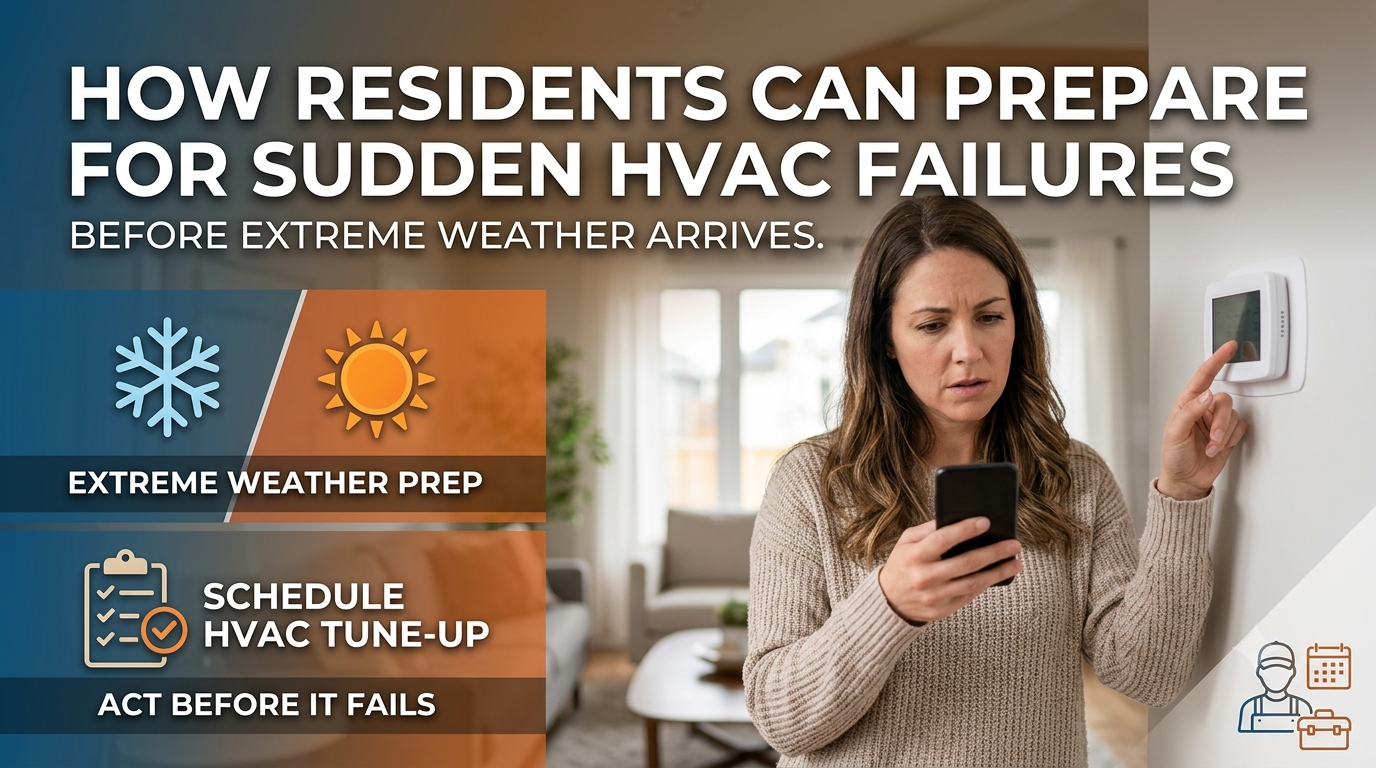
An air conditioner often stops working at the worst possible time. The house may feel comfortable in the morning, but warm air starts blowing by afternoon. Families then rush to find one of the reliable HVAC companies in Apex, NC or look for professional AC Services Cary NC if they are in the surrounding area, while indoor temperatures continue rising. A simple emergency plan can reduce stress, protect the system, and help everyone remain safer until a technician arrives.
Heating and cooling equipment usually shows warning signs before a complete failure. The system may run longer, make unusual sounds, produce weak airflow, or struggle to hold the selected temperature. Residents who notice these changes early often have more time to arrange service.
Still, some failures happen without much warning. Electrical parts can stop working. Drain lines can clog. Refrigerant leaks may reduce cooling. Motors, capacitors, thermostats, and compressors can also fail during periods of heavy use.
Preparing in advance does not require technical knowledge. It starts with knowing your system, keeping important information nearby, and creating a safe backup plan.
Learn the Warning Signs of an HVAC Problem
A cooling system should deliver steady airflow and maintain a reasonably consistent temperature. When performance changes, pay attention before the unit stops completely.
Common warning signs include:
-
Warm air coming from supply vents
-
Weak or uneven airflow
-
Loud buzzing, rattling, or grinding sounds
-
Frequent starting and stopping
-
Unusual odors
-
Water near the indoor unit
-
Ice on refrigerant lines
-
Sudden increases in energy use
-
Rooms that remain warmer than others
-
A thermostat that does not respond
Do not ignore burning smells or electrical noises. Turn the system off and contact a professional. Continued operation could damage the equipment or create a safety concern.
Water around the indoor unit also needs prompt attention. A clogged condensate drain can cause leaks near walls, floors, or ceilings. Shut the system down if water approaches electrical parts.
Ice on the outdoor or indoor components does not mean the system is cooling better. It may point to low airflow, a dirty filter, a refrigerant issue, or another mechanical problem. Running the equipment while it remains frozen may worsen the damage.
Build an HVAC Emergency Plan Before You Need It
Start by writing down the system’s basic information. Record the manufacturer, model number, installation date, filter size, warranty details, and recent repair history. Keep this information in a folder or on your phone.
You should also save the contact details of a trusted HVAC company. Searching for help during a heat wave can waste time because many contractors receive a high number of calls at once.
Create a simple household plan that answers these questions:
-
Which rooms stay coolest during hot weather?
-
Where are portable fans stored?
-
Does anyone in the home have a medical condition affected by heat?
-
Where can pets stay safely?
-
Is there a nearby relative, hotel, or cooling center?
-
Who will call the HVAC company?
-
Who can help older family members or young children?
Families with infants, older adults, or people with health conditions should prepare more carefully. High indoor heat can become dangerous faster for vulnerable residents.
Keep flashlights, batteries, bottled water, phone chargers, and portable fans available. A power failure may stop both the HVAC system and regular lighting.
Battery-powered fans can help move air, but they do not lower the room temperature. Drink water regularly and avoid heavy indoor activity while waiting for repairs.
Take Safe Steps When the System Stops Working
Check the thermostat first. Make sure it has power and remains set to the correct mode. Replace the batteries if the display appears blank or weak.
Next, inspect the air filter. A heavily clogged filter can restrict airflow and cause the system to overheat or freeze. Replace it with the correct size and type.
Check the electrical panel for a tripped breaker. Reset the HVAC breaker only once. If it trips again, leave it off and call a technician. Repeatedly resetting the breaker can hide an electrical fault.
Walk around the outdoor unit and remove loose leaves or debris that block airflow. Do not open the unit or touch electrical components.
You can also check whether indoor vents remain open. Furniture, curtains, rugs, and boxes should not cover return or supply vents.
Avoid these risky actions:
-
Do not add refrigerant yourself
-
Do not open electrical panels
-
Do not bypass safety switches
-
Do not keep resetting a breaker
-
Do not run a frozen system
-
Do not use an outdoor generator inside
-
Do not use an oven to heat the home
-
Do not rely on online guesses for electrical repairs
Heating equipment creates different risks. If you smell gas, leave the property immediately. Do not operate switches, appliances, or phones inside the building. Call the gas company or emergency services from a safe location.
Reduce Indoor Heat While Waiting for Repairs
Close blinds and curtains on windows receiving direct sunlight. This can slow the rise in indoor temperature.
Keep exterior doors closed as much as possible. Limit cooking with the oven or stove because both add heat to the house. Prepare cold meals or use safe outdoor cooking equipment away from the building.
Move family members to the lowest level of the home if it feels cooler. Warm air rises, so upstairs rooms may become uncomfortable faster.
Use ceiling fans in occupied rooms. Fans should rotate counterclockwise during warm weather to push air downward. Turn them off when everyone leaves the room because fans cool people, not empty spaces.
Take cool showers, wear lightweight clothing, and drink water throughout the day. Avoid excessive caffeine and alcohol because they may contribute to dehydration.
If indoor conditions become unsafe, leave the home. Go to a cooled public building, trusted friend’s house, hotel, or community cooling center. Do not stay inside only to wait for the technician.
Pet owners should watch for heavy panting, weakness, drooling, vomiting, or unusual behavior. Move pets to a cooler place and contact a veterinarian when signs of heat stress appear.
Prevent Future Breakdowns With Routine Maintenance
Emergency planning helps during a failure, but maintenance can lower the chance of one happening.
Replace air filters according to the system’s needs, household conditions, and manufacturer guidance. Homes with pets, construction dust, or allergy concerns may need more frequent filter changes.
Keep the outdoor unit clear of weeds, leaves, grass clippings, and stored items. It needs open space for proper airflow.
Schedule professional maintenance before the busiest heating or cooling season. During a service visit, a technician may inspect electrical connections, refrigerant levels, drain lines, motors, coils, airflow, thermostat operation, and safety controls.
Residents who need dependable Apex heating and air conditioning services should arrange inspections before the system begins running for long hours every day.
Maintenance cannot prevent every failure. However, it may reveal weak electrical parts, blocked drains, worn motors, or airflow problems before they stop the system.
Keep records of each service visit. These notes can help a technician understand recurring issues and determine whether repair or replacement makes more financial sense.
Prepare Now Instead of Reacting Later
A sudden HVAC failure becomes harder when residents lack a plan. Save your contractor’s number, record the system details, keep filters and basic supplies available, and identify a safe place to go during extreme temperatures.
When the system stops, check the thermostat, filter, breaker, vents, and outdoor airflow. Stop immediately if you notice burning smells, repeated electrical trips, gas odors, or water near electrical parts.
Air Secure Inc helps homeowners diagnose cooling and heating problems, restore indoor comfort, and plan preventive maintenance. For professional Chapel Hill heating and air conditioning services, contact Air Secure Inc today. Early service can limit equipment damage, reduce household disruption, and help your family stay prepared when the weather places extra pressure on the system.
By: M N Farooq

 English
 Arabic
 French
 Spanish
 Portuguese
 Deutsch
 Turkish
 Dutch
Dutch
 Italiano
 Russian
 Portuguese (Brazil)
 Greek
Greek