


Why Is My Garage Door Not Closing All the Way? Common Causes and Safe Solutions
You press the remote, and the garage door starts moving down. A few seconds later, it stops, reverses, or leaves a gap near the floor. This problem can feel random, but the door usually reacts to a specific fault. A trusted team such as Palma Group Pro can inspect the system, locate the cause, and provide garage door replacement springs in Parkland FL or repair before a small issue damages other parts.
A garage door uses sensors, tracks, rollers, cables, springs, and an opener to move safely. Each part must work with the others. When one component becomes dirty, loose, bent, or worn, the door may refuse to close fully.
Some causes are simple to check. Others require trained hands because garage doors are heavy and spring systems hold strong tension. Knowing the warning signs can help you decide what to inspect and when to stop using the door.
The Safety Sensors May Be Blocked or Misaligned
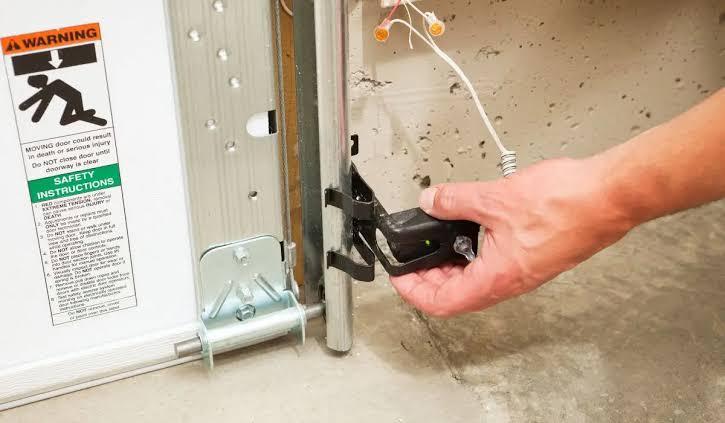
Most modern garage door openers use photo-eye sensors near the bottom of each track. One sensor sends an invisible beam across the doorway. The other receives it. If an object blocks that beam, the opener may reverse the door to prevent an injury or collision.
Start by checking the area near the sensors. Boxes, tools, leaves, bicycles, toys, and even spiderwebs can interrupt the beam. Remove anything that sits between the two units.
Next, look at the small indicator lights. Many sensors show a steady light when they line up correctly. A blinking or unlit sensor may point to poor alignment, dirt, loose wiring, or a power problem.
Clean both sensor lenses with a soft, dry cloth. Avoid harsh cleaners because they may leave a film. Then check whether both sensors face each other at the same height. A bumped sensor can move slightly and stop the door from closing.
Bright sunlight can also affect some photo eyes. This often happens at certain times of day. If the problem appears only when sunlight enters the garage, a technician can inspect the sensor position and shielding.
Never bypass or disconnect the safety sensors. They help protect children, pets, vehicles, and stored items.
Something May Be Wrong With the Tracks or Rollers
Garage door rollers must travel smoothly inside the metal tracks. Dirt, damage, or poor alignment can stop the door before it reaches the floor.
Stand inside the garage and inspect both tracks. Look for dents, bends, loose brackets, debris, or rust. Small stones and hardened grease may block a roller. Wipe away loose dirt, but do not place your fingers inside the track while the system is moving.
Watch the door from a safe distance as it closes. Does one side move faster? Does the door shake or make scraping sounds? Uneven movement may indicate a damaged roller, bent track, cable problem, or spring imbalance.
Loose track brackets may also allow the track to shift. You can check whether the visible bolts look loose, but avoid adjusting the track without proper knowledge. A small alignment error can cause the door to bind, fall out of position, or place extra pressure on the rollers.
Worn rollers often create grinding, clicking, or squealing sounds. A technician can determine whether the rollers need lubrication, adjustment, or replacement. The correct solution depends on the roller material and condition.
The Opener Settings Could Be Incorrect
Garage door openers use travel limits to control how far the door moves. The down-limit setting tells the motor where the closed position should be.
If the setting is too short, the door may stop before touching the floor. If the setting pushes the door too far, the opener may detect resistance and reverse it.
Force settings can cause similar problems. The opener measures how much force it needs to move the door. When resistance exceeds the set limit, the system may stop or reverse.
Do not increase the closing force just to make the door shut. Excess force can hide a mechanical problem and weaken an important safety feature. The opener may struggle because of damaged tracks, a worn spring, poor balance, or a blocked door path.
Check the owner’s manual for basic travel-limit instructions. Stop adjusting the opener if the door remains uneven, feels heavy, or makes loud noises. A professional should inspect the mechanical system before anyone changes force settings.
The remote control may also create confusion. A weak battery usually causes inconsistent commands rather than a door that repeatedly stops at the same point. Test the wall control to compare the response. If the wall button works but the remote does not, replace the remote battery and inspect its programming.
Weather Seals, Flooring, and Obstructions Can Stop the Door
The bottom weather seal helps close the gap between the garage door and floor. Over time, it can crack, swell, fold, or pull away from the retainer. A damaged seal may catch on the ground and trigger the opener’s safety response.
Inspect the full length of the seal. Look for hardened rubber, torn sections, or areas that sit unevenly. Replacing the seal can improve the closing position and help keep out rain, insects, and dirt.
The garage floor may also settle or crack. If one side of the floor sits lower, the door may appear partly open even when the opener reaches its normal closing position. A worn seal can make this gap more noticeable.
Check for objects near the bottom edge. A broom handle, extension cord, garden hose, or small tool can stop the door. Even a thin object may create enough resistance to reverse the opener.
Moisture and heat can affect wooden garage doors. A swollen or warped panel may rub against the frame or tracks. Do not force a warped door closed. Pressure can damage the opener or pull the door out of alignment.
A Spring or Cable Problem May Be Making the Door Uneven
Garage door springs balance much of the door’s weight. Cables transfer that lifting force to the door. When a spring weakens or a cable slips, the door may tilt, stop, or leave an uneven gap.
Warning signs include:
-
One side hangs lower than the other
-
The door feels very heavy by hand
-
A cable looks loose or frayed
-
The opener strains during movement
-
The door closes faster than normal
-
A visible gap appears in a torsion spring
-
You heard a loud bang inside the garage
Stop using the door if you notice these signs. Do not touch the spring, cable, drum, or bottom bracket. These components can move suddenly and cause serious injuries.
A professional technician can measure the door, test its balance, inspect both springs, and confirm whether the cables remain seated correctly. Replacing the correct part restores safer movement and reduces stress on the opener.
When to Call a Garage Door Repair Professional
You can safely clean sensor lenses, remove objects from the doorway, and replace a remote battery. Most other repairs need a closer inspection.
Call a professional when the door:
-
Looks crooked or unstable
-
Falls or closes too quickly
-
Reverses after touching the floor
-
Makes loud popping or grinding sounds
-
Has loose or damaged cables
-
Stops in the same position repeatedly
-
Has a broken or rusty spring
-
Will not move by hand after disconnecting the opener
Do not keep pressing the remote when the door struggles. Repeated attempts can overheat the motor, bend tracks, damage panels, or pull cables out of place.
A technician should inspect the entire operating system rather than replacing the first visible part. The door may have more than one problem. For example, a weak spring can make the opener appear faulty. A bent track can also damage rollers and cables over time.
Get the Door Closing Safely Again
A garage door that will not close fully may have dirty sensors, blocked tracks, worn rollers, incorrect travel settings, damaged seals, or spring trouble. Start with simple visual checks, but stop when the door looks uneven or a high-tension part appears damaged.
Leaving the door partly open can expose your home, vehicle, and belongings. It may also allow wind, rain, insects, and debris into the garage. Prompt service can protect the full door system and reduce the chance of a more expensive repair.
For dependable professional garage door spring repair in Boca Raton, contact Palma Group Pro. Their technicians can inspect the sensors, opener, tracks, cables, and spring system, explain the cause, and restore safe operation. Schedule service today before the door becomes stuck in a fully open or closed position.

 English
 Arabic
 French
 Spanish
 Portuguese
 Deutsch
 Turkish
 Dutch
Dutch
 Italiano
 Russian
 Portuguese (Brazil)
 Greek
Greek