


Benefits of Proper Floor Care for Cleaner Indoor Spaces
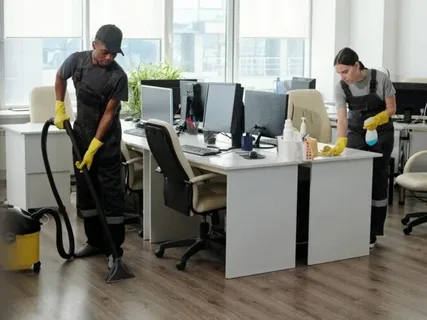
Why Floor Care Matters
Floors experience constant use in homes, offices, stores, and other buildings. Dirt, dust, food particles, moisture, and outdoor debris can collect on the surface throughout the day. Without regular care, this buildup can make floors look dull and may affect certain flooring materials over time. A consistent cleaning routine helps keep floors presentable while supporting their long-term condition.
Understand Your Flooring Material
Every flooring material has different care requirements. Hardwood, tile, vinyl, laminate, concrete, and natural stone should not all be cleaned with the same products or techniques. Some materials can tolerate more moisture, while others may be affected by excess water. Before starting a cleaning routine, check the manufacturer's recommendations. Knowing the floor type helps prevent unsuitable products and cleaning methods from causing unnecessary damage.
Remove Loose Dirt First
Sweeping or vacuuming should usually come before deeper floor cleaning. Loose dirt can act like tiny abrasive particles when people walk across the surface, especially in busy areas. Removing this debris first can make mopping or other cleaning methods more effective. Corners, edges, and spaces underneath furniture should also receive attention. A regular removal routine can prevent dirt from becoming harder to manage later.
Clean High-Traffic Areas More Often
Entrances, hallways, kitchens, reception areas, and corridors generally collect more dirt than quieter parts of a property. Foot traffic can bring outdoor soil and moisture onto the floor, while spills may occur more frequently in busy spaces. These areas may need daily or frequent attention depending on how heavily they are used. Entrance mats can also reduce the amount of debris brought indoors and help protect nearby flooring.
Handle Spills Quickly
Spills should be cleaned as soon as practical. Water, beverages, food, and cleaning chemicals can affect flooring when they remain on the surface for too long. The correct response depends on the material involved. Excessive rubbing or unsuitable chemicals may damage certain finishes. Keeping appropriate cleaning supplies nearby can make it easier to respond quickly and reduce the chance of permanent marks.
Avoid Using Too Much Water
More water does not always mean a cleaner floor. Excess moisture can seep into seams, joints, grout, wood, or other areas where it may cause problems. This is particularly important for materials that are sensitive to prolonged moisture exposure. Cleaning solutions should be used according to their instructions, and floors should be dried properly after cleaning. Good moisture control is an important part of responsible floor maintenance.
Pay Attention to Corners and Edges
Large open areas are usually easier to clean than corners and edges. Dirt can collect along baseboards, underneath cabinets, around furniture, and near door frames. These areas may be overlooked during quick cleaning sessions. Including them in a regular schedule helps create a more complete result. Moving lightweight furniture when appropriate can also reveal hidden dirt that would otherwise remain untouched.
Maintain Hard Floors Regularly
Hard flooring can remain attractive when it receives consistent care. Sweeping, vacuuming, and suitable mopping can remove everyday dirt before it becomes difficult to manage. Some surfaces may also require periodic polishing or specialized treatment, depending on their material and finish. Cleaning products should always be selected for the specific flooring type. Following a regular schedule can help reduce buildup and maintain the floor's original appearance.
Consider Professional Floor Cleaning
Large properties and heavily used floors may require more detailed cleaning than routine maintenance can provide. Professional equipment and specialized methods can be useful for removing stubborn buildup or caring for particular flooring materials. Property owners looking for Floor Cleaning Chicago IL can compare cleaning providers based on the types of floors they handle, cleaning methods, equipment, scheduling options, and property requirements.
Build a Practical Cleaning Schedule
A good floor-care routine should match how the property is used. High-traffic areas may need frequent cleaning, while bedrooms, storage spaces, and other low-use areas may require less attention. Seasonal weather can also affect how much dirt and moisture enter a building. Regular inspections can help identify stains, worn finishes, damaged areas, or recurring problems. Combining daily maintenance with periodic deeper cleaning can help keep floors in better condition for longer.

 English
 Arabic
 French
 Spanish
 Portuguese
 Turkish
 Dutch
Dutch
 Italiano
 Russian
 Romaian
 Portuguese (Brazil)
 Greek
Greek