


What to Bring When Posting Bail: A Practical Checklist for a Faster Release Process
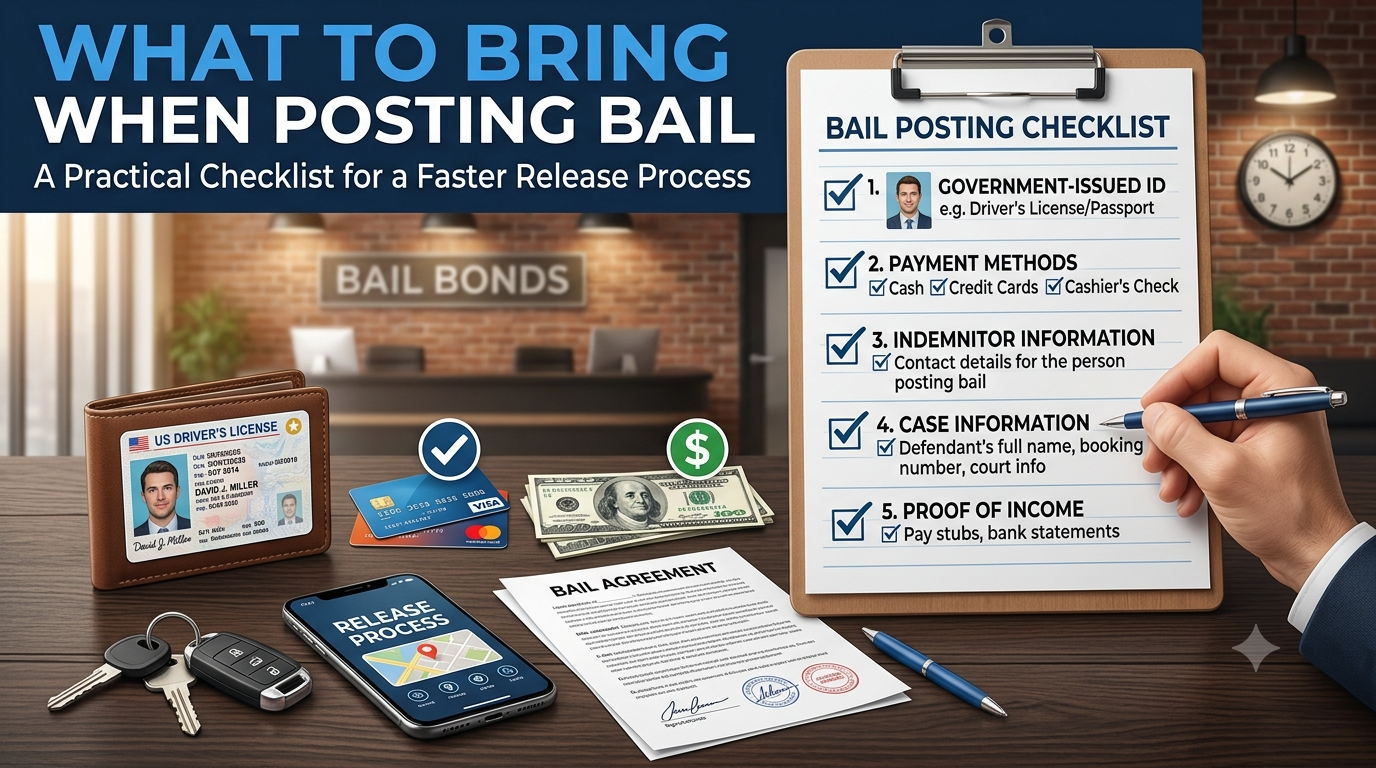
A late-night arrest can leave a family feeling confused and unprepared. You may receive only a few details over the phone. Then you must gather information, arrange payment, and reach the correct facility. Before contacting a provider of Raleigh NC bail bonds, collect the right documents and confirm the defendant’s booking details. A little preparation can prevent mistakes during an already stressful time.
Posting bail does not settle the criminal charge. It allows the defendant to leave custody while the case continues. The defendant must attend every scheduled hearing and follow all release conditions. Courts may require payment, property, a written promise, supervision, or other conditions based on the case and local law.
Confirm the Bond Details Before Leaving Home
Do not rush to the jail with only the defendant’s name. First, call the detention facility or check its official inmate search system. Ask whether the booking process has finished. Officers may not accept a bond until staff complete fingerprints, photographs, record checks, and other booking steps.
You should confirm the defendant’s:
-
Full legal name and date of birth
-
Booking or inmate identification number
-
Arresting agency
-
County and detention facility
-
Criminal charges
-
Total bond amount
-
Type of bond ordered
-
Release conditions
-
Next court date, when available
The type of bond affects what you must bring. An unsecured bond generally does not require advance payment. A secured bond requires money or another approved form of security before release. A family member, friend, or licensed bail bondsman may sometimes act as the surety.
Bond procedures can vary by county. The jailer or magistrate can usually explain where the bond must be posted and which payment methods the facility accepts. Never assume that every jail follows the same process. Some facilities accept cash only, while others may have different rules, limits, or processing locations.
Bring Identification, Payment, and Accurate Personal Information
The person arranging the bond should carry a current government-issued photo ID. A driver’s license, state identification card, military ID, or passport may meet the requirement. Check with the jail or bail bond company before traveling if your identification has expired.
A bail bondsman may also request information about both the defendant and the person signing the agreement. Bring accurate contact details, including home addresses, phone numbers, employer information, and trusted family contacts. Incorrect information can delay approval or cause problems later.
You may also need:
-
The defendant’s address and phone number
-
Employment or school information
-
Vehicle details
-
Names and numbers of close relatives
-
Payment information
-
Proof of residence
-
Recent pay stubs or employment records
-
Court or booking documents already provided
Bring more than one payment option when possible. A bail bond agency may accept cash, debit cards, credit cards, or another approved method. Payment policies differ by company. Ask about accepted methods, cardholder requirements, deposits, and payment plans before signing anything.
You should also request a clear explanation of every charge. Ask whether the amount covers the full service or whether other fees may apply. Read the contract before adding your signature. Do not sign a blank form or rely only on a verbal promise.
Know When Collateral May Be Required
A bail bond company takes financial responsibility for the defendant’s court appearance. For a larger bond or a higher-risk case, the company may request collateral. Collateral gives the agency added financial protection if the defendant fails to appear.
Possible collateral may include real estate, a vehicle, valuable property, or other assets accepted by the company. The owner must usually prove legal ownership. For example, vehicle collateral may require a clear title. Real estate may require a deed, mortgage statement, tax information, or proof of equity.
Do not bring property documents until you speak with the bail bond agency. Ask which documents it needs and whether it requires original copies. You should also ask how the property will be held, when it will be released, and what events could place it at risk.
A bail bond premium differs from collateral. The premium pays the bondsman for posting the bond and is generally not returned after the case ends. Collateral may be returned after the court releases the bond obligation, provided the defendant met the agreement and no unpaid balance remains.
Cash bail works differently. When someone posts the full cash bond directly with the court, the court may return that money after the case ends if the defendant attended the required hearings and the court did not order forfeiture. The person who deposited the cash generally receives the refund. Local deductions or procedures may apply.
What to Expect After the Bond Is Posted
Posting the bond does not always produce an immediate release. Jail staff must review the paperwork, confirm the bond, update records, and complete the discharge process. The time required depends on staffing, jail activity, booking status, shift changes, and other administrative factors.
Keep your phone available during this period. The bail bond agency or jail may need more information. Do not leave the area until you understand where and when the defendant will exit.
Once released, the defendant should carefully review every condition. These conditions may include avoiding certain people or locations, following travel limits, reporting to a supervising agency, or complying with monitoring requirements. Breaking a release condition may lead to another arrest or a return to custody.
Write down every court date. Store copies of the bond agreement, receipts, release paperwork, and court notices in one folder. Set phone reminders several days before each hearing. The defendant should also inform the bail bondsman about changes in address, phone number, employment, or court scheduling.
Missing court can lead to an arrest order and bond forfeiture. The court may keep cash security or seek payment from a surety. A bail bond agreement may also make the defendant or co-signer responsible for added costs after a missed appearance.
Get Clear Help When Every Detail Matters
Posting bail becomes easier when you know what information to collect and which questions to ask. Bring valid identification, verified booking details, an approved payment method, and any documents requested by the bond agency. Read every agreement and keep copies for your records.
This guide provides general information and does not replace advice from an attorney. Bail requirements and release procedures depend on the charges, court order, state law, and local facility rules.
When someone you care about is in custody, Freedomway Bail Bonds can explain the bond process and help you prepare the required information. Contact a trusted bail bondsman in Whiteville NC to discuss the case, available payment options, and the next steps toward release. Call Freedomway Bail Bonds as soon as you receive the defendant’s booking and bond details.

 English
 Arabic
 French
 Spanish
 Deutsch
 Turkish
 Dutch
Dutch
 Italiano
 Russian
 Romaian
 Portuguese (Brazil)
 Greek
Greek