


Hidden Costs of Ignoring Battery Energy Storage in Pakistan in 2026
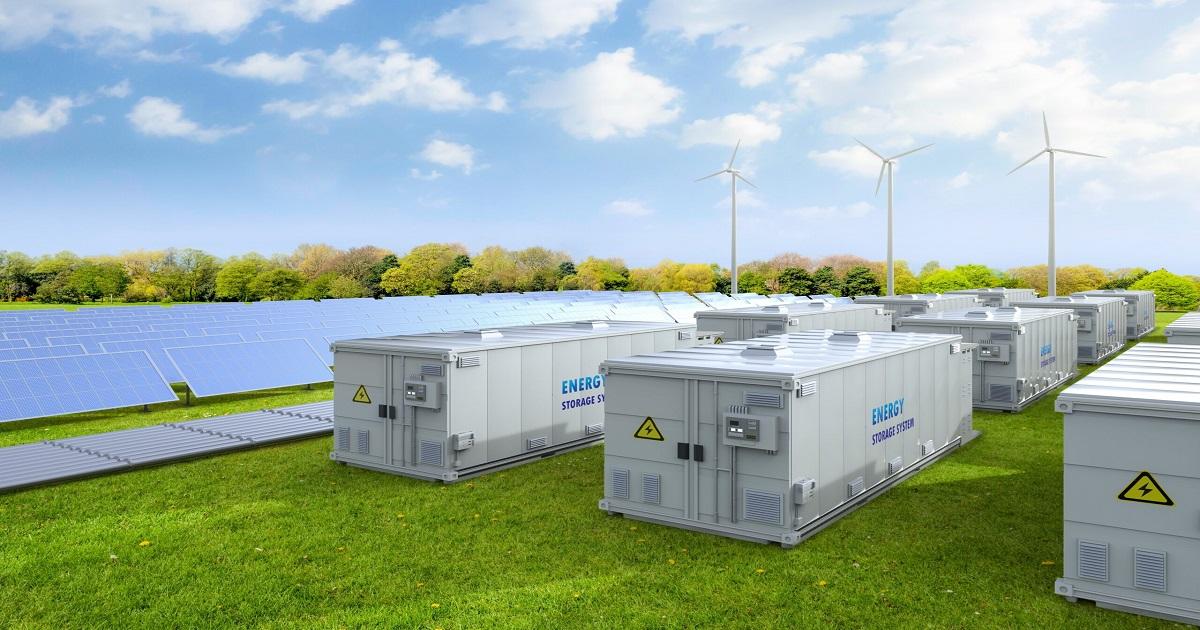
Imagine running your factory, hospital, or home on a power supply you can actually trust — no flickering lights, no diesel generator roaring at 3 a.m., no production line grinding to a halt mid-shift. Now imagine losing that possibility simply because you decided to "wait it out" for another year. That's the real risk facing businesses and households across Pakistan right now. Battery Energy Storage in Pakistan is no longer a futuristic add-on; it's quickly becoming the difference between staying competitive and quietly bleeding money.
Pakistan's grid has never been the most reliable, and 2026 hasn't changed that story. Between fuel price swings, transmission losses, and unpredictable load-shedding schedules, energy uncertainty has become a permanent cost of doing business. Yet many decision-makers still treat Battery Energy Storage in Pakistan as optional, pushing the investment further down the priority list. What they don't see are the hidden costs stacking up in the background — costs that rarely show up on an invoice but hit the bottom line just as hard.
Why Energy Storage Is No Longer Optional
For years, backup power in Pakistan meant one thing: diesel generators. They worked, but they were never cheap or clean. Fuel prices are volatile, maintenance is constant, and noise and emissions create real workplace and neighborhood friction. Battery-based power reserves solve these problems by storing electricity when it's cheap or self-generated (through solar, for instance) and releasing it exactly when needed.
Skipping this shift doesn't mean nothing happens — it means the losses just become less visible.
The Direct Financial Drain
-
Fuel and maintenance costs for generators keep climbing every year, especially with rupee depreciation affecting import-linked fuel prices.
-
Equipment damage from voltage fluctuations and sudden outages shortens the lifespan of machinery, HVAC systems, and sensitive electronics.
-
Productivity losses during outages add up fast — a single hour of downtime in manufacturing or retail can cost far more than a month's worth of storage system financing.
The Indirect, Often-Ignored Costs
Beyond the obvious numbers, there are costs that don't show up in a spreadsheet immediately:
-
Missed deadlines that damage client trust
-
Higher insurance premiums for facilities without stable power backup
-
Employee frustration and turnover linked to unreliable working conditions
-
Lost opportunities to sell excess solar energy back or reduce peak-hour tariffs
The Real Price of "Waiting" in 2026
A lot of businesses assume they'll invest in an energy backup solution "next year" once cash flow improves. But every year of delay compounds the problem. Electricity tariffs in Pakistan have followed an upward trend for several years running, and industrial consumers in particular face steep peak-hour charges. Without a power reserve system to shift usage away from expensive peak periods, companies are essentially paying a premium to stay in the dark — literally and financially.
How Load-Shedding Still Hurts Even With Solar
Many households and businesses assume that installing solar panels alone solves the problem. It doesn't. Without a proper power storage setup, solar energy generated during the day is wasted the moment the sun goes down or the grid experiences a fault. That's like filling a bucket with holes in it — you're generating clean energy but losing most of its value because there's nowhere to keep it.
Sector-Specific Impact
-
Textile and manufacturing units lose entire production batches when machines lose power mid-cycle.
-
Hospitals and clinics risk patient safety when critical equipment loses uninterrupted power.
-
Retail and hospitality businesses lose sales and damage customer experience during outages.
-
Tech and BPO companies face compliance and service-level penalties tied to downtime.
Practical Tips to Avoid These Hidden Costs
-
Get an energy audit first. Before choosing any backup solution, understand your actual consumption pattern — peak hours, critical loads, and seasonal spikes.
-
Pair solar with storage, not just panels. A hybrid setup with battery reserves maximizes the return on your solar investment instead of wasting daytime generation.
-
Right-size your system. Oversized systems waste capital; undersized ones fail when you need them most. Work with experienced engineers to match capacity to real demand.
-
Factor in scalability. Choose a modular power storage system that can grow as your business expands, rather than needing a full replacement later.
-
Prioritize preventive maintenance. Even the best storage system needs periodic checks to maintain efficiency and lifespan.
Key Insights for Pakistani Businesses in 2026
The energy landscape in Pakistan is shifting fast, and the businesses adapting early are the ones gaining a competitive edge. Reliable electricity storage isn't just about avoiding outages anymore — it's about controlling costs, protecting equipment, and building a resilient operation that doesn't depend on an unstable national grid. Companies that treat this as a strategic investment rather than an emergency purchase consistently come out ahead, both financially and operationally.
Ignoring reliable power backup in Pakistan doesn't mean the costs disappear — it just means they hide in plain sight, quietly draining productivity, equipment life, and customer trust. As tariffs rise and grid reliability remains uncertain, Battery Energy Storage in Pakistan has moved from a "nice to have" to a genuine business necessity. The businesses that invest now, with the right guidance and the right system design, will be the ones best positioned to handle whatever 2026 and beyond throws at Pakistan's power grid. Waiting only adds to the bill.
FAQs
1. Why is battery energy storage becoming so important in Pakistan?
Because grid reliability remains inconsistent and electricity tariffs keep rising, energy storage helps businesses and households avoid costly outages while making better use of solar generation.
2. Is solar power alone enough without a storage system?
Not really. Without storage, solar energy generated during the day is lost when the sun sets or during grid faults, significantly reducing the return on your solar investment.
3. What industries in Pakistan benefit most from energy storage systems?
Manufacturing, textiles, healthcare, retail, and tech/BPO sectors see the biggest benefits, since downtime directly affects production, safety, and revenue in these industries.
4. How does Alpine Industrial Con help businesses choose the right system?
Alpine Industrial Con conducts detailed energy audits, recommends right-sized and scalable systems, and ensures long-term reliability through proper installation and maintenance support.
5. Is investing in battery storage expensive compared to generators?
While the upfront cost may seem higher, storage systems eliminate ongoing fuel expenses and reduce equipment damage, making them more cost-effective over time compared to diesel generators.

 English
 Arabic
 French
 Spanish
 Portuguese
 Deutsch
 Turkish
 Dutch
Dutch
 Russian
 Romaian
 Portuguese (Brazil)
 Greek
Greek