


What Is a CPA Letter? Complete Guide, Requirements, and Uses
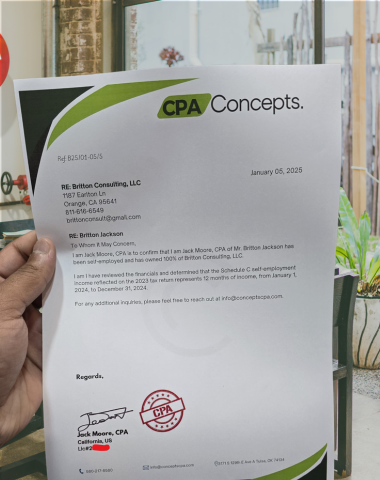
A CPA letter is an official document prepared by a Certified Public Accountant (CPA) to verify or explain a person’s or business’s financial information. Depending on the situation, it may confirm income, self-employment, business ownership, financial records, or other accounting details.
CPA letters are commonly requested for immigration applications, mortgage and loan applications, rental agreements, business transactions, and other situations where reliable financial documentation is needed. Because a CPA is a qualified accounting professional, their letter can provide additional credibility when financial information needs professional verification.
In this guide, we’ll explain what a CPA letter is, what it typically includes, when you may need one, how to request one, and what to consider before using it.
What Is a CPA Letter?
A CPA letter is a written statement issued by a Certified Public Accountant based on financial records and information reviewed by the accountant. The purpose of the letter is generally to provide professional confirmation of specific financial facts.
The exact content depends on why the letter is being requested. For example, a CPA may write a letter confirming that an individual is self-employed and operates a particular business. In another situation, the CPA may verify reported income based on available accounting records.
It is important to understand that a CPA letter is not necessarily the same as a tax return, financial statement, audit report, or certification. Its purpose and level of assurance depend on the specific engagement and what the CPA is able and willing to verify.
What Information Does a CPA Letter Include?
There is no single universal format for every CPA letter. The information included should match the purpose of the document and the facts the CPA can appropriately verify.
A typical letter may include:
-
The CPA or accounting firm's name and contact information
-
The client's name or business name
-
The date the letter was issued
-
The purpose of the letter
-
Relevant business or employment information
-
Income information, when appropriate
-
The period covered by the information
-
A description of records or documents considered
-
The CPA's professional statement or conclusion
-
The CPA's signature and professional credentials
The CPA should only state information that can be supported by appropriate records and falls within the scope of the professional's engagement.
When Might You Need a CPA Letter?
A CPA letter can be useful in several financial and administrative situations.
1. Immigration Applications
Some immigration applications require evidence of income, employment, self-employment, or financial circumstances. In certain cases, applicants may use a letter from a CPA as supporting documentation.
However, requirements vary depending on the immigration category and the relevant authority. A CPA letter should therefore be prepared according to the specific documentation requirements of the application.
2. Mortgage and Loan Applications
Lenders may request additional documentation when an applicant is self-employed, owns a business, or has a complicated income structure.
A CPA letter may help explain business ownership, self-employment status, or financial information that is not immediately clear from standard documentation.
3. Rental Applications
Landlords or property managers sometimes request additional proof of income from self-employed applicants or business owners. A CPA letter can potentially supplement tax returns, bank statements, or other financial records.
4. Business Transactions
Businesses may need professional confirmation of financial information during certain transactions, applications, or negotiations. A CPA can prepare documentation based on the records available to them.
5. Other Financial Verification
Depending on the circumstances, a CPA letter may also be requested by institutions or organizations that need professional confirmation of specific accounting or financial information.
Why Is a CPA Letter Important?
Financial information can sometimes be difficult for a third party to interpret, particularly when someone is self-employed or receives income from multiple sources.
A CPA letter can provide context and professional confirmation based on accounting records. It may help the recipient understand information that could otherwise require additional explanation.
However, a CPA letter should not be viewed as a guarantee that an application, loan, visa, rental application, or other request will be approved. The organization receiving the letter determines whether it meets its documentation requirements.
CPA Letter vs. Tax Return: What's the Difference?
A tax return is a formal tax document submitted to a tax authority. It reports income, deductions, credits, and other tax-related information for a particular period.
A CPA letter, by contrast, is a professional letter prepared for a specific purpose. It can explain or confirm selected financial information, but it does not automatically replace a tax return or other required documentation.
In many situations, an organization may request both a tax return and a CPA letter because each serves a different purpose.
CPA Letter vs. Financial Statement
A financial statement presents structured financial information, such as revenue, expenses, assets, liabilities, and equity.
A CPA letter is generally more focused. It addresses particular information or circumstances identified by the requester.
The appropriate document depends on what the receiving organization needs and what the CPA is engaged to provide.
How Do You Get a CPA Letter?
The process is usually straightforward:
Step 1: Identify the Purpose
Determine exactly why you need the letter. For example, you may need it for immigration, a mortgage application, proof of self-employment, or another financial requirement.
Step 2: Check the Recipient's Requirements
Before contacting a CPA, find out whether the organization requesting the letter has specific requirements. It may specify the information, dates, format, or wording that should be included.
Step 3: Contact Your CPA
Provide your CPA with the purpose of the letter and any instructions from the requesting organization.
Step 4: Provide Supporting Records
Your CPA may need financial records or other documentation to verify the information that will appear in the letter.
Step 5: Review the Final Letter
Check the letter carefully to make sure your personal and business information is accurate and that the document addresses the intended purpose.
How Long Does It Take to Get a CPA Letter?
Processing time depends on the CPA, the complexity of the request, and whether the necessary financial records are readily available.
A straightforward request may take less time than a letter requiring the CPA to review multiple years of records or verify complicated business information.
If you have a deadline, it is best to contact the CPA well in advance and clearly communicate the date by which the document is needed.
How Much Does a CPA Letter Cost?
The cost varies depending on the CPA, the complexity of the request, the amount of record review required, and the type of professional service involved.
Some letters may be relatively simple, while others require substantial review of financial records. Before requesting the letter, ask the CPA about the expected fee and what services are included.
What Should You Give Your CPA?
To make the process easier, provide complete and accurate information. Depending on the purpose, this could include:
-
Tax returns
-
Income records
-
Business records
-
Profit and loss statements
-
Bank statements
-
Business registration information
-
Employment or self-employment details
-
Instructions from the organization requesting the letter
The CPA can then determine what information can appropriately be confirmed.
Choosing the Right CPA for Your Letter
Not every financial situation is the same, so experience with your particular type of request can be valuable. When choosing a CPA, consider whether they understand your financial circumstances and can provide the type of professional documentation you need.
For example, a self-employed business owner may benefit from working with an accountant familiar with business income and financial records.
Concept CPA can help clients understand the documentation needed for different financial situations and prepare appropriate professional accounting documents based on the information available.
Common Mistakes to Avoid
A few common mistakes can make the process more difficult:
Providing Incomplete Information
If your CPA does not have the necessary records, the letter may not contain enough information to satisfy the recipient.
Waiting Until the Last Minute
CPA letters can require record review, so waiting until immediately before a deadline can create unnecessary pressure.
Assuming Every CPA Letter Is the Same
The contents should be tailored to the purpose of the request. A letter prepared for a mortgage application may differ from one prepared for immigration or a rental application.
Using Unsupported Information
A CPA should not be expected to confirm information that cannot be supported by appropriate records. Make sure all information you provide is accurate and documented.
Treating the Letter as a Replacement for Required Documents
A CPA letter may be supplementary documentation. It does not automatically replace tax returns, financial statements, identification documents, or other materials required by the receiving organization.
Final Thoughts
A CPA letter is a professional document that can help verify or explain specific financial information. Its usefulness depends largely on the purpose of the letter, the records available to the CPA, and the requirements of the organization requesting it.
If you need a CPA letter, start by identifying the exact purpose and checking the recipient's requirements. Then provide your CPA with accurate information and sufficient supporting records so the letter can be prepared appropriately.
For professional guidance with accounting documentation and financial verification, Concept CPA can help you understand what information may be required and how to prepare for the CPA letter process.

 English
 Arabic
 French
 Spanish
 Portuguese
 Deutsch
 Dutch
Dutch
 Italiano
 Russian
 Romaian
 Portuguese (Brazil)
 Greek
Greek