


How Can You Prove a Defective Medical Device Caused Your Injury?
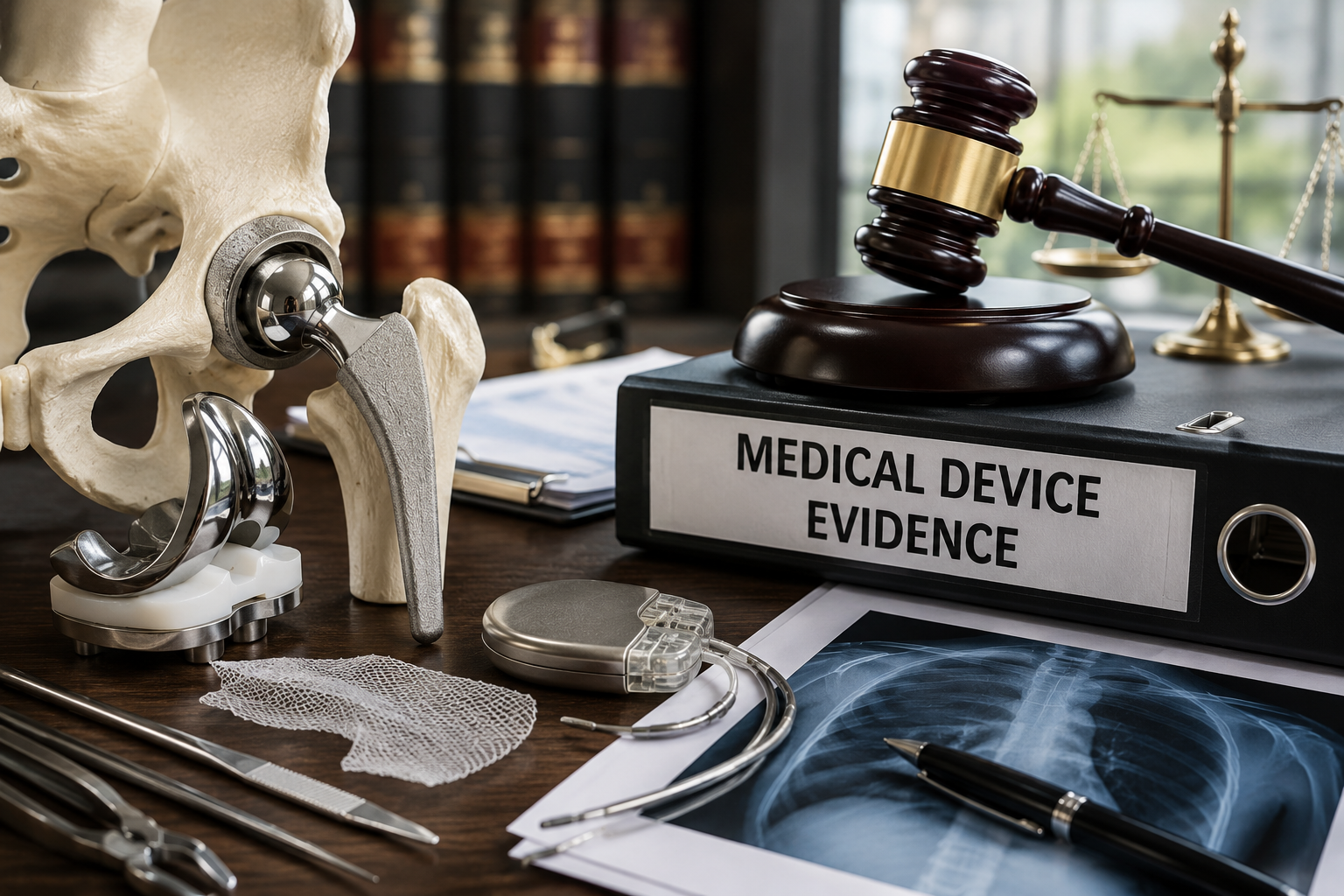
Medical devices can improve lives, but a defective implant, surgical device, or other medical product can sometimes cause serious and unexpected harm. If you believe a medical device caused your injury, a defective medical device lawyer can help investigate whether the device was defectively designed, manufactured, or marketed and whether the manufacturer may be legally responsible. Harrison Davis Morrison Jones represents people injured by defective medical devices in Texas and across the United States.
What Makes a Medical Device Defective?
A medical device may be considered defective for different reasons. Product liability claims can involve a design defect, manufacturing defect, or failure to warn about known or reasonably foreseeable risks.
A design defect may exist when the basic design of a device creates an unreasonable risk of injury. A manufacturing defect can occur when a particular device differs from its intended specifications because of an error during production. A failure-to-warn claim may arise when patients or medical professionals were not adequately informed about important risks.
The specific legal requirements depend on the facts of the case and applicable law.
How Can You Connect the Device to Your Injury?
One of the most important parts of a defective medical device claim is establishing a connection between the device and the injury. This generally requires more than showing that an injury occurred after implantation or use.
Several types of evidence may help establish this connection:
-
Medical records documenting the original procedure
-
The device's manufacturer and model information
-
Implant records and serial numbers
-
Follow-up examination results
-
Imaging studies such as X-rays, CT scans, or MRIs
-
Surgical records
-
Records of revision or removal surgery
-
Physician opinions
-
Laboratory and pathology reports
-
Evidence of similar device failures
-
FDA safety communications or recalls
-
Product warnings and instructions
Medical records can be especially important because they may establish when the device was implanted, when symptoms appeared, and how physicians diagnosed and treated the resulting complications.
What Types of Injuries Can a Defective Device Cause?
The potential injuries depend on the type of device and the nature of the defect. Harrison Davis Morrison Jones handles defective medical device litigation involving products such as hip implants, knee replacements, heart valves, defibrillators, breast implants, and pacemakers.
The firm's current medical device litigation also includes cases involving DePuy hip replacements, transvaginal mesh, and defective IVC filters.
Complications can include chronic pain, infection, tissue or organ damage, fractures, device migration, premature device failure, and the need for additional surgery. The exact symptoms and risks depend on the particular device.
For example, the firm's materials concerning DePuy ASR XL metal-on-metal hip replacements describe complications including component loosening, infection, fractures, dislocation, metal sensitivity, pain, tissue damage, and muscle damage.
Can a Recall Help Prove Your Case?
A medical device recall can be important evidence, but a recall does not automatically prove that a particular patient's injury was caused by the device or that a manufacturer is legally liable.
The timing and reason for a recall may nevertheless be relevant. Patients should preserve recall notices, letters from manufacturers, medical records, and any documentation identifying their specific device.
Harrison Davis explains that medical device problems may sometimes become apparent only after many patients have received the device. A recall may involve correcting a device or removing it from the market, and not every recalled implant necessarily has to be removed.
Patients should discuss the appropriate medical response with their treating physician rather than removing or replacing an implanted device solely because they discover that it has been recalled.
What Evidence Can Show the Manufacturer Knew About the Problem?
In some defective medical device cases, the issue is not simply whether the product failed but whether the manufacturer knew or should have known about potential risks.
Evidence may include:
-
Internal company documents
-
Product testing records
-
Clinical studies
-
Adverse-event reports
-
Consumer complaints
-
Physician reports
-
Regulatory communications
-
Recall information
-
Marketing materials
-
Product warnings
-
Evidence involving similar patients
These records can help attorneys and experts examine what the manufacturer knew about the device's risks and whether appropriate steps were taken to address them.
Why Are Medical Experts Important?
Medical device cases can involve complicated medical and technical questions. A lawyer may need to work with physicians, engineers, medical researchers, or other qualified experts to evaluate the device and the patient's injuries.
For example, an expert may need to determine whether a patient's symptoms are consistent with a known device complication or whether another medical condition could explain the injury.
The firm's medical device practice emphasizes the importance of medical evidence in building these cases. Harrison Davis also states that it employs a full-time nurse in connection with its transvaginal mesh litigation to assist in preparing and presenting medical evidence.
What Should You Do If You Suspect a Defective Medical Device?
Your first priority should be receiving appropriate medical care. Tell your healthcare provider about unusual symptoms, pain, complications, or concerns involving the device.
You should also preserve documents related to the device and treatment. These may include:
-
Medical records
-
Surgical reports
-
Implant cards
-
Device identification information
-
Receipts and billing records
-
Manufacturer correspondence
-
Recall notices
-
Photographs
-
Records of additional procedures
Do not discard documents or attempt to alter the device. If a device has been removed during surgery, ask your healthcare providers about how it will be preserved and handled.
How Can a Defective Medical Device Lawyer Help?
Proving that a medical device caused an injury can require a detailed investigation into the patient's medical history, the device itself, the manufacturer's conduct, and available scientific evidence.
An experienced product liability attorney can investigate the circumstances, identify potentially responsible parties, review medical evidence, consult appropriate experts, and determine whether a claim may be available.
Harrison Davis Morrison Jones has represented plaintiffs nationwide in defective medical device litigation and has handled cases involving hip replacements, transvaginal mesh, and IVC filters. The firm describes its attorneys as trial lawyers who handle complex product liability matters involving medical devices and other dangerous products.
If you believe a medical device caused your injury, getting legal advice early can help preserve important evidence and clarify your potential options. Because filing deadlines and legal requirements vary, it is important not to wait unnecessarily before investigating a potential claim.
Frequently Asked Questions
1. How do you prove a medical device caused an injury?
Evidence can include medical records, imaging, surgical reports, device identification information, expert medical opinions, recall information, and evidence of known device complications. The evidence must establish a sufficient connection between the device and the injury under applicable law.
2. Does a medical device recall mean I have a lawsuit?
Not automatically. A recall can provide important information about a device's safety, but an individual claim generally requires evidence concerning the specific device, injury, and circumstances involved.
3. Can I sue if my defective medical device required another surgery?
Potentially. If a defective device caused complications requiring revision, removal, or additional treatment, those medical consequences may be relevant to a product liability claim. The availability of a lawsuit depends on the facts and applicable law.
4. What medical devices can be involved in product liability claims?
Potential cases can involve hip and knee replacements, heart valves, defibrillators, pacemakers, breast implants, surgical mesh, IVC filters, and other medical devices.
5. Should I keep my defective medical device after it is removed?
If possible, preserve information identifying the device and discuss preservation of the removed device with your healthcare provider and attorney. The device itself and its identifying information may become important evidence in investigating a potential claim.

 English
 Arabic
 French
 Spanish
 Portuguese
 Deutsch
 Turkish
 Dutch
Dutch
 Italiano
 Russian
 Romaian
 Portuguese (Brazil)