


Karak Tea for Beginners: 7 Things to Know Before Making Your First Cup

Anyone who has spent even a little time in Dubai knows that Karak Tea isn't just a drink — it's practically a way of life. Strong, spiced, milky, and sweet, it's the tea that gets construction workers through the morning and keeps late-night conversations going at street-side stalls across the city. But for someone making their first cup at home, Karak Tea can feel a little intimidating. It's not as simple as dunking a tea bag in hot water — there's a rhythm to it, and getting it right takes a bit of know-how.
If you're new to it, here are seven things worth knowing before you attempt your first cup.
1. It's All About Strong, Broken-Leaf Black Tea
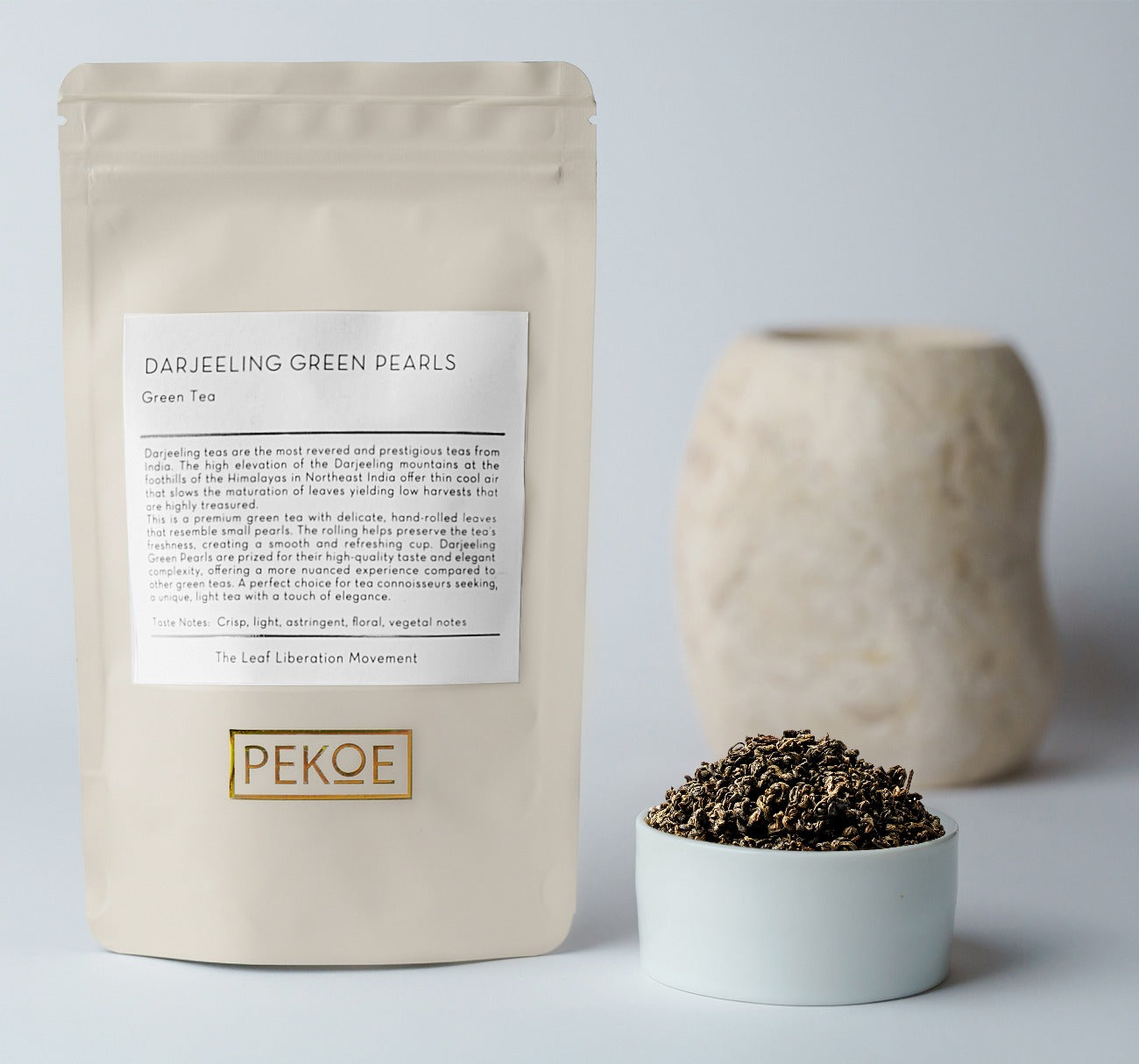
Karak Tea starts with a base of strong black tea, usually a broken-leaf or CTC (crush-tear-curl) style rather than delicate whole-leaf tea. The reason is simple: Karak needs to hold its own against milk, sugar, and a heavy dose of spices, so a mild tea just disappears into the mix. If your black tea tastes weak or watery on its own, it's not going to survive the Karak treatment.
This is worth keeping in mind if you're used to more delicate teas like Green Tea or Matcha, which are prized for subtlety and umami. Karak works on the opposite principle — boldness first.
2. Spices Make the Difference
What separates Karak Tea from ordinary milk tea is the spice blend. Cardamom is the classic, non-negotiable addition, giving Karak its warm, slightly floral aroma. Beyond that, people add their own touches — cinnamon, cloves, ginger, saffron, or even a pinch of black pepper. There's no single "correct" recipe, and half the fun of learning Karak is figuring out your own spice ratio over a few attempts.
A beginner tip: start light. It's much easier to add more cardamom next time than to fix an overpowering first batch.
3. Milk and Water Ratio Matters More Than You Think
Traditional Karak Tea is boiled — tea, water, milk, and spices all simmered together rather than steeped separately. Getting the milk-to-water ratio right is what gives Karak its signature creamy, slightly thick texture without turning it into a milkshake. Most beginners either go too heavy on water (resulting in a thin, weak cup) or too heavy on milk (which mutes the tea and spice flavor entirely).
A good starting point is roughly equal parts milk and water, adjusted to taste as you get more comfortable with the process.
4. Sugar Isn't Optional — But It's Adjustable
Karak Tea is traditionally quite sweet, often sweetened generously with sugar or condensed milk while it simmers. This is part of what makes it so different from the more subtle, unsweetened world of Green Tea or a plain matcha latte. That said, there's nothing wrong with dialing back the sugar for your own cup, especially if you're trying to lean toward Healthy Drinks in your everyday routine. Karak is flexible — the traditional version is sweet, but plenty of people now make a lighter, less sugary version at home.
5. Simmering, Not Steeping, Is the Technique
One of the biggest mistakes beginners make is treating Karak Tea like a regular tea bag — just pouring hot water over it and letting it sit. Real Karak is simmered on low heat for several minutes, allowing the tea, spices, and milk to fully infuse and develop that deep, rich color and flavor. Rushing this step is the fastest way to end up with a pale, underwhelming cup that doesn't taste anything like the Karak you'd get from a proper tea stall.
Patience really is the secret ingredient here.
6. Karak Pairs Well With a Balanced Routine
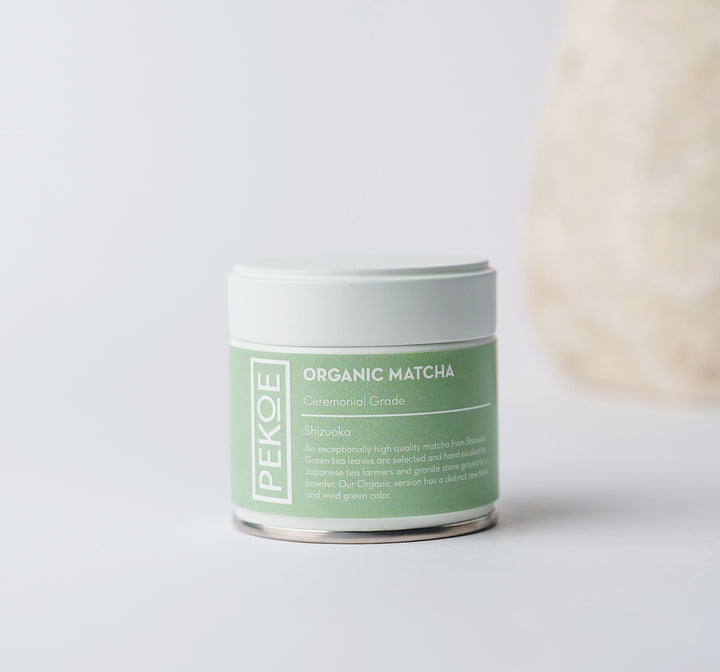
Because Karak Tea is rich, sweet, and caffeinated, a lot of people naturally look for something lighter to balance it out through the rest of the day. This is where teas like Green Tea and Matcha come in — not as replacements, but as complements. Many households in Dubai keep both on hand: Karak for that indulgent morning or evening ritual, and a lighter Green Tea or Matcha for a mid-day pick-me-up that fits better into a Healthy Drinks lifestyle.
If you're building out your own tea shelf, having a bit of variety like this makes it much easier to match your tea to your mood and time of day, rather than reaching for the same strong cup all day long.
7. Good Quality Tea Leaves Make a Noticeable Difference
Just like with matcha, the quality of the base tea leaves has a big impact on your final cup of Karak. Stale, low-grade tea leaves tend to produce a flat, dull brew no matter how much spice or sugar you add. This is where sourcing from a proper tea shop rather than a random supermarket blend starts to matter.
Pekoe (mypekoe.com), a Dubai-based online tea shop, is a good example of what to look for — a range of strong black teas alongside more delicate options like Green Tea, Oolong, and premium Japanese Matcha, all sourced from known tea-growing regions rather than generic bulk suppliers. For someone just starting to experiment with Karak Tea at home, having access to a solid quality black tea as a base — and a lighter Green Tea or Matcha on the side for balance — makes the whole learning process a lot easier and a lot more enjoyable.
Final Thoughts
Making your first cup of Karak Tea is part science, part instinct. The ratios, the spice blend, and the simmering time all take a bit of trial and error before you land on a cup that feels like "yours." But once you get the hang of it, it becomes one of those simple daily rituals that's hard to give up. And if you ever want to switch things up — whether that's exploring a lighter Green Tea, trying Matcha for the first time, or generally leaning into more Healthy Drinks — having a reliable source like Pekoe on hand makes that exploration a whole lot easier.
For more information
TikTok: mypekoe
Instagram: mypekoe
Facebook: mypekoe

 English
 Arabic
 French
 Spanish
 Portuguese
 Deutsch
 Turkish
 Dutch
Dutch
 Italiano
 Russian
 Portuguese (Brazil)
 Greek
Greek