


Botox in London: How Practitioners Assess Your Facial Treatment Goals
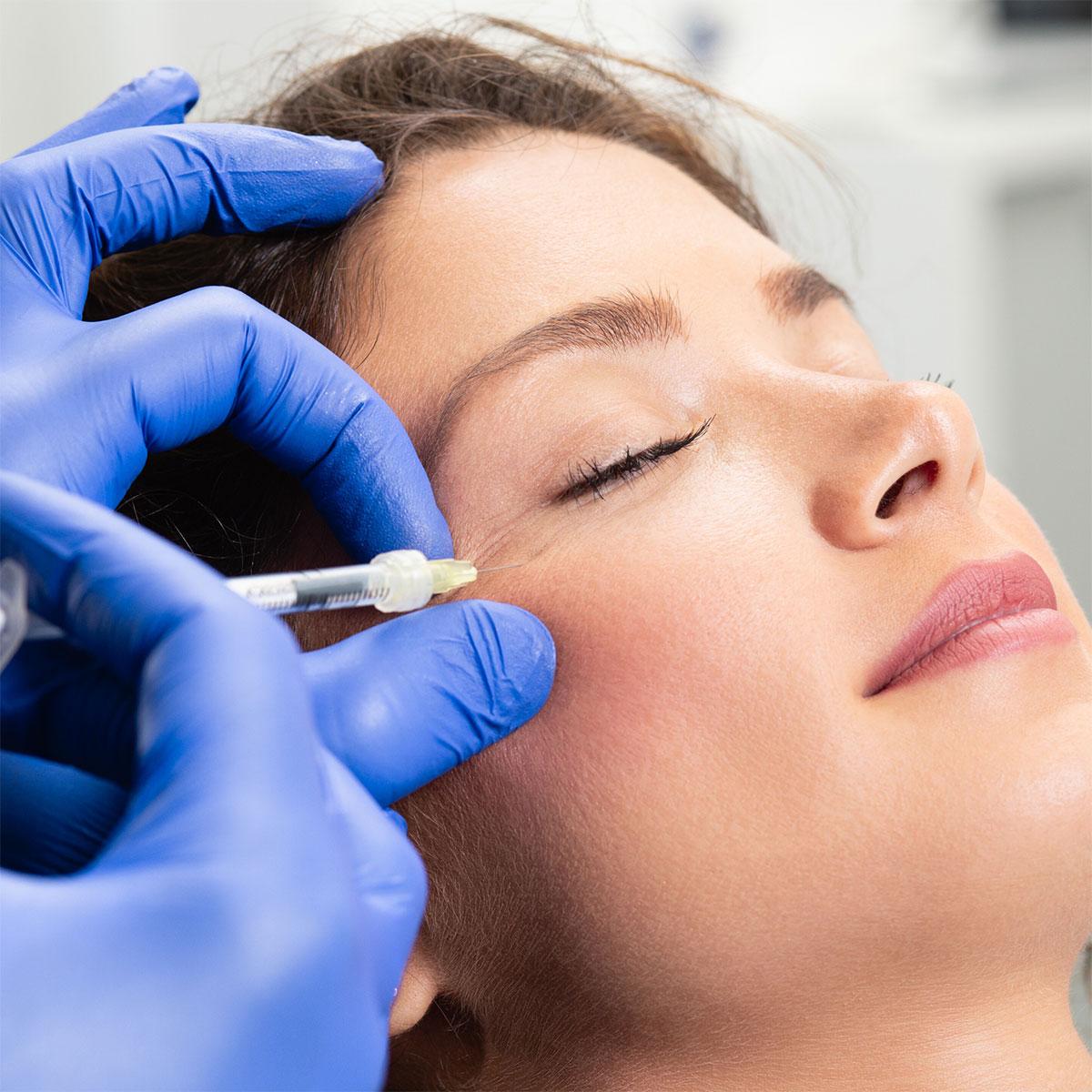
Aesthetic treatment planning should begin with understanding what a patient wants to achieve rather than simply selecting an injectable treatment. Botox is widely used in aesthetic medicine to temporarily reduce the activity of specific facial muscles, which can soften the appearance of certain dynamic lines. However, the treatment is not identical for everyone. Facial structure, muscle movement, skin characteristics, and individual preferences all influence how a practitioner develops a treatment plan.
For people researching Botox in London, the consultation is an important stage of the process. It allows a practitioner to assess facial movement, understand the patient's concerns, discuss realistic outcomes, and determine whether Botox is suitable for the desired objective.
Botox Injections In London should therefore be approached as a personalised treatment rather than a standard procedure. The paractitioner may assess several areas of the face and consider how they interact before deciding whether treatment is appropriate.
What Is Botox?
Botox is a purified form of botulinum toxin used in carefully controlled amounts for medical and aesthetic purposes. In aesthetic medicine, it is commonly injected into selected muscles to temporarily reduce their activity.
Repeated muscle movement contributes to dynamic facial lines. By reducing the activity of specific muscles, Botox can soften the appearance of some of these lines while allowing other facial movements to remain.
The treatment is different from dermal fillers, which are generally used to add volume or enhance facial contours.
Why Facial Assessment Matters
Everyone has different facial anatomy and muscle activity. Two people may have similar concerns but require completely different treatment plans.
A practitioner may observe how the face looks at rest and during expressions such as smiling, frowning, raising the eyebrows, or squinting.
This helps identify which muscle movements are contributing to the lines a patient wants to address.
Rather than treating every visible line, the practitioner can focus on the specific muscle activity associated with the patient's concerns.
Understanding Your Treatment Goals
The first part of a consultation is often a discussion about what the patient wants to change.
Some people may want a softer appearance around the forehead, while others may be concerned about lines between the eyebrows or around the eyes.
Patients may prefer a subtle result that maintains natural facial expression. Others may have different aesthetic preferences.
Clear communication helps the practitioner understand the desired outcome and determine whether Botox can reasonably address the concern.
Common Areas Discussed During Botox Consultations
A practitioner may assess several facial areas depending on the patient's concerns.
Common areas can include:
- Forehead lines
- Lines between the eyebrows
- Lines around the outer corners of the eyes
- Selected areas affected by muscle activity
Not every area is suitable for every patient. The practitioner considers facial anatomy and muscle movement before recommending treatment.
Assessing the Forehead
Forehead lines are often associated with movement of the frontalis muscle, which contributes to eyebrow elevation.
During assessment, the practitioner may ask the patient to raise their eyebrows and observe how the forehead moves.
The practitioner also considers eyebrow position and the relationship between forehead movement and the rest of the upper face.
This assessment helps determine whether Botox is appropriate and how treatment should be planned.
Assessing Lines Between the Eyebrows
The muscles between the eyebrows can contribute to vertical lines that become more visible when a person frowns or concentrates.
During consultation, the practitioner may ask the patient to create a frowning expression and observe the muscle activity.
The treatment plan is then based on the individual's movement pattern rather than simply treating the visible lines.
Understanding the underlying muscle activity is an important part of personalised Botox Injections In London.
Assessing Lines Around the Eyes
Lines around the outer corners of the eyes can become more noticeable during smiling or squinting.
A practitioner may assess this area while the patient makes natural facial expressions.
The treatment plan considers the movement of the muscles surrounding the eyes and the patient's desired level of softening.
The objective is to create a treatment strategy that suits the individual's facial characteristics.
Facial Movement at Rest and During Expression
One of the most important parts of Botox assessment is observing the face both at rest and during movement.
Some lines may be visible even when the face is relaxed, while others appear primarily during expressions.
The practitioner can compare these different states to determine whether muscle activity is an important contributor to the patient's concern.
This helps distinguish dynamic lines from concerns that may require a different type of aesthetic treatment.
Discussing Natural Facial Expression
Maintaining an appropriate level of facial expression is an important consideration for many patients.
Botox reduces muscle activity, so treatment should be carefully planned to balance the desired cosmetic effect with the patient's preference for natural movement.
During consultation, patients can explain whether they want subtle softening or a more noticeable reduction in movement.
The practitioner can then explain what may realistically be achieved.
Considering Facial Symmetry
Facial symmetry is another factor that may be assessed before treatment.
Small differences between the two sides of the face are common. Muscle strength and movement can also differ from one side to the other.
A practitioner may therefore evaluate both sides independently rather than automatically applying identical treatment to each side.
This allows the treatment plan to be adjusted according to the patient's individual facial movement.
Reviewing Previous Botox Treatments
If a patient has previously received Botox, the practitioner may ask about their treatment history.
Information about previous treatment areas, timing, and the patient's experience can help inform the new treatment plan.
Patients should provide accurate information about previous aesthetic procedures whenever possible.
This allows the practitioner to consider the existing treatment history when assessing current facial movement.
Setting Realistic Treatment Goals
A consultation should establish realistic expectations.
Botox can temporarily reduce the activity of selected muscles and soften the appearance of certain dynamic lines. However, it is not designed to change every type of facial concern.
For example, concerns primarily related to skin texture, pigmentation, significant volume loss, or facial structure may require a different approach.
The practitioner can explain whether Botox is likely to address the patient's particular concern or whether another treatment may be more appropriate.
Botox Versus Dermal Fillers
Understanding the difference between Botox and dermal fillers is useful when discussing treatment goals.
Botox works primarily by temporarily reducing the activity of selected muscles. Dermal fillers are generally used to add volume or enhance contours.
For example, a dynamic forehead line may be considered for Botox treatment, while a concern involving loss of facial volume may be more suitable for discussion about dermal fillers.
The appropriate treatment depends on the underlying cause of the concern.
How Practitioners Plan Botox Treatment
After assessing facial movement and discussing the patient's objectives, the practitioner can develop an individual treatment plan.
The plan may consider:
- Treatment areas
- Muscle activity
- Facial symmetry
- Desired degree of movement
- Previous treatments
- Individual facial anatomy
- Appropriate injection points
- The patient's aesthetic preferences
The practitioner can then explain the proposed approach before treatment takes place.
What Happens During Botox Injections In London?
Once the treatment plan has been agreed, Botox is administered through small injections into selected muscles.
The practitioner identifies the planned injection points and administers the product according to the treatment strategy.
The appointment is generally relatively brief, although the duration can vary depending on the number of areas being treated.
After treatment, patients receive personalised instructions about caring for the treated areas and returning to normal activities.
When Do Botox Results Develop?
Botox does not usually produce its full effect immediately.
The treated muscles gradually respond to the product, and changes become more noticeable over the following days.
The timing varies between individuals and depends on factors such as the treatment area, muscle activity, and individual response.
The practitioner can explain the expected progression during the consultation.
How Long Does Botox Last?
The effects of Botox are temporary. How long they remain noticeable varies between individuals.
Factors such as the treated muscle, individual metabolism, muscle activity, and previous treatment history can influence how long the effects last.
Rather than relying on a fixed timeframe, patients should discuss expected duration with their practitioner based on their individual circumstances.
Choosing the Best Botox Clinic London
Selecting an appropriate clinic is an important part of the treatment process.
When researching the Best Botox Clinic London, patients should consider the practitioner's qualifications, experience, consultation process, treatment planning, and aftercare support.
Bodyvie Clinic provides information about Botox and other aesthetic treatments. A professional consultation allows patients to discuss their concerns and understand whether Botox may be suitable for their individual goals.
A good consultation should provide patients with enough information to make an informed decision before treatment.
Questions to Ask Before Botox Treatment
Patients considering Botox may wish to ask:
- Which facial areas would you recommend treating?
- What is causing the lines I want to address?
- How will my facial movement be assessed?
- What type of result can I realistically expect?
- Will I retain natural facial expression?
- How long might the effects last?
- When should I expect to see changes?
- When should the treatment be reviewed?
- Would another treatment be more appropriate for my concerns?
These questions can make the consultation more informative and help patients understand their individual treatment plan.
Why Personalised Botox Planning Matters
A standard Botox treatment approach does not necessarily suit every face.
Differences in muscle strength, facial proportions, eyebrow position, expression patterns, and individual preferences all affect how treatment should be planned.
A personalised assessment allows the practitioner to focus on the patient's actual concerns and avoid unnecessary treatment.
For people considering Botox in London, this approach can help create a treatment plan that is based on individual facial characteristics rather than a generic template.
What Should You Expect After Treatment?
Following Botox Injections In London, the practitioner provides aftercare instructions tailored to the treatment.
Patients may receive guidance about skincare, exercise, facial treatments, and other activities during the initial period following treatment.
The practitioner may also explain when the results should be assessed and whether a follow-up appointment is appropriate.
Following the clinic's instructions helps patients understand how to manage the period after treatment.
Conclusion
Botox in London is best approached through personalised consultation and careful assessment of facial movement. Rather than simply identifying visible lines, practitioners consider the underlying muscle activity, facial symmetry, anatomy, and the patient's individual treatment goals.
For people considering Botox Injections In London, understanding the consultation process can make it easier to communicate desired outcomes and develop realistic expectations. The practitioner can determine which areas may benefit from treatment and explain whether Botox is an appropriate option.
Choosing the right Best Botox Clinic London is also an important part of the process.Bodyvie Clinic provides information about Botox and other aesthetic treatments, allowing patients to explore their options through professional consultation.
Ultimately, effective Botox planning is about individual assessment rather than applying the same approach to every patient. Understanding facial movement, discussing personal goals, and receiving professional guidance can help patients make an informed decision about their aesthetic treatment.
FAQs
What is Botox in London used for?
Botox in London is commonly used to temporarily reduce the activity of selected facial muscles and soften the appearance of certain dynamic lines.
What are Botox Injections In London?
Botox Injections In London involve administering carefully controlled amounts of Botox into selected facial muscles according to an individual's treatment plan.
How does a practitioner assess my Botox treatment goals?
The practitioner discusses your concerns, observes your facial appearance at rest and during expressions, evaluates muscle movement, and considers your desired outcome before creating a treatment plan.
Which facial areas can Botox treat?
Commonly discussed areas include forehead lines, lines between the eyebrows, and lines around the outer corners of the eyes. Suitability depends on individual facial anatomy and muscle activity.
Will my facial expressions be considered during consultation?
Yes. Practitioners may observe facial movement during expressions such as smiling, frowning, squinting, and raising the eyebrows to understand which muscles contribute to the lines being treated.
Can Botox be personalised for each person?
Yes. Treatment can be planned according to individual muscle activity, facial anatomy, symmetry, treatment goals, and preferences regarding facial movement.
How quickly do Botox results appear?
Results generally develop gradually rather than immediately. The practitioner can explain the expected timeframe based on the areas being treated and individual circumstances.
How long do Botox results last?
Botox effects are temporary, and duration varies according to the treated area, muscle activity, metabolism, and individual response. Your practitioner can discuss expected duration during consultation.
Is Botox the same as dermal filler?
No. Botox primarily reduces selected muscle activity, while dermal fillers are generally used to add volume or enhance facial contours.
How do I choose the Best Botox Clinic London?
When researching the Best Botox Clinic London, consider practitioner qualifications, experience, consultation quality, personalised treatment planning, product information, and aftercare support.
What should I tell my practitioner before Botox?
Discuss your aesthetic goals, previous Botox or injectable treatments, relevant skincare procedures, and any concerns about facial movement or the desired level of change.
When should Botox treatment be reviewed?
The practitioner can recommend an appropriate review period based on the treatment areas, individual response, and the clinic's treatment protocol.

 English
 Arabic
 Spanish
 Portuguese
 Deutsch
 Turkish
 Dutch
Dutch
 Italiano
 Russian
 Romaian
 Portuguese (Brazil)
 Greek
Greek