


How to Use Sunblock Correctly for Maximum UV Protection
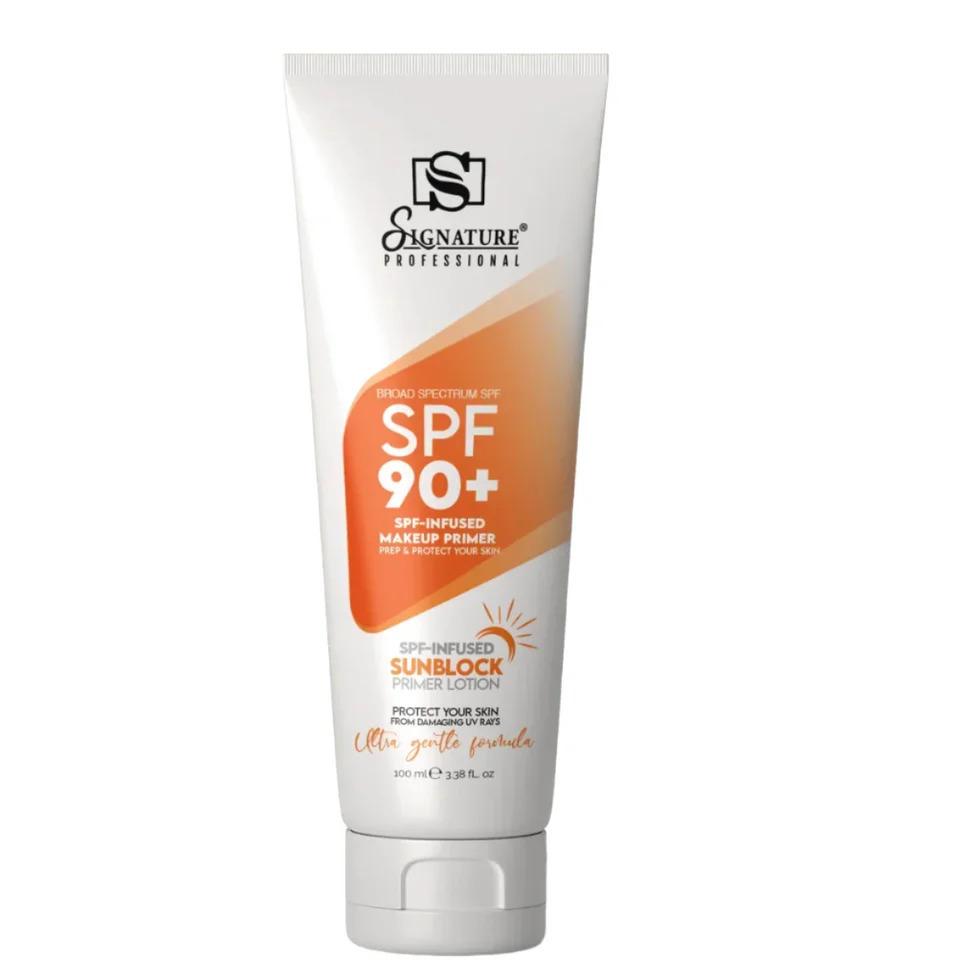
Sunblock is one of the most important products in a daily skincare routine, particularly for people who regularly spend time outdoors. However, simply purchasing a high-SPF sunblock does not guarantee maximum protection. The amount applied, timing, coverage, and reapplication all influence how effectively sunscreen protects exposed skin from ultraviolet (UV) radiation.
UVA and UVB rays can contribute to sunburn, tanning, premature skin aging, pigmentation, and other forms of skin damage. Using sunscreen correctly can help reduce exposure to these rays. The American Academy of Dermatology recommends choosing a sunscreen that provides broad-spectrum protection, has an SPF of 30 or higher, and is water resistant.
Why Is Correct Sunblock Application Important?
Even a well-formulated sunscreen may provide less protection than expected if it is applied incorrectly. People commonly use too little product, miss certain areas, or forget to reapply after sweating or swimming.
Sunscreen is tested using specific amounts under controlled conditions. If you apply substantially less than the amount used for testing, the protection you receive can be lower than the SPF printed on the label.
For this reason, correct application is just as important as selecting an appropriate sunscreen.
Choose a Broad-Spectrum Sunblock
The first step toward effective sun protection is selecting the right product. Look for a sunscreen labeled broad spectrum, because it protects against both UVA and UVB rays.
UVB radiation is primarily associated with sunburn, while UVA radiation contributes to premature skin aging and can pass through window glass. Both types of UV radiation can contribute to long-term skin damage.
When selecting an SPF 90 sunblock, therefore, do not focus exclusively on the high SPF number. Broad-spectrum coverage should also be an important consideration.
Select an Appropriate SPF
The SPF number primarily indicates the level of protection against UVB-induced sunburn. Dermatologists generally recommend using sunscreen with SPF 30 or higher.
An SPF 90 product provides a very high labeled level of UVB protection. However, a higher SPF does not mean you can stay in direct sunlight indefinitely. It also does not eliminate the need for proper application or reapplication.
Think of SPF as one part of your overall sun-protection strategy rather than a guarantee of complete protection.
Apply Sunblock Before Going Outdoors
Timing matters. Sunscreen should be applied before you leave home rather than waiting until you are already exposed to sunlight.
The American Academy of Dermatology recommends applying sunscreen approximately 15 minutes before going outdoors. This gives the product time to form an effective protective layer on the skin.
If you know you will be commuting, walking, exercising, or working outdoors, make sunscreen part of your morning routine so you do not forget this important step.
Use Enough Sunblock
One of the biggest sunscreen mistakes is applying too little product. A thin layer may not provide the protection associated with the SPF rating on the label.
For the entire body of an average-sized adult, the FDA states that about one ounce of sunscreen is generally needed to cover exposed skin. This is approximately the amount that would fill a shot glass.
For the face, use enough product to cover the entire exposed area evenly. If you are unsure whether you are applying enough, it is generally better to apply generously rather than using only a tiny amount.
Cover Every Exposed Area
Applying sunscreen only to the cheeks and forehead is not enough. UV rays can reach many areas that people commonly overlook.
Pay attention to your:
-
Face
-
Neck
-
Ears
-
Nose
-
Hairline
-
Hands
-
Tops of the feet
-
Lips
-
Exposed scalp
The FDA specifically highlights areas such as the nose, ears, neck, hands, feet, lips, hairline, and exposed scalp as places that should receive attention during sunscreen application.
If you have thinning hair or an exposed scalp, consider using suitable sun protection for the scalp or wearing a wide-brimmed hat.
Apply Sunblock Evenly
Uneven application can leave small areas of skin exposed. Spread sunscreen evenly across all uncovered areas rather than concentrating it only on parts of the face that are most visible.
Take a moment to check around the hairline, jawline, ears, and neck. These areas can easily be forgotten, particularly when you are in a hurry.
For facial sunscreen, avoid direct contact with the eyes and follow the product's instructions. If sunscreen gets into your eyes and causes irritation, rinse them with water.
Reapply Every Two Hours
Reapplication is one of the most important parts of effective sun protection. Sunscreen does not remain fully protective indefinitely, especially when you are outdoors.
The AAD recommends reapplying sunscreen approximately every two hours while outdoors. You should also reapply after swimming or sweating.
The FDA similarly recommends reapplying at least every two hours and more often when swimming or sweating.
Therefore, applying sunscreen once in the morning may not be enough if you spend several hours outside.
Reapply After Swimming or Heavy Sweating
Water and sweat can reduce the amount of sunscreen remaining on your skin. Even products described as water resistant have limits.
If you swim, exercise heavily, or sweat significantly, follow the product's instructions regarding reapplication. Sunscreen should also be reapplied after towel drying because rubbing can remove product from the skin.
Remember that "water resistant" does not mean "waterproof." No sunscreen remains completely unaffected by water or prolonged activity.
Don't Forget Sunscreen on Cloudy Days
Cloudy weather does not mean that UV protection is unnecessary. Your skin can still be exposed to UV radiation when the sky is overcast.
The AAD explains that skin is exposed to harmful UV rays whenever you go outside, including on cloudy days and during winter.
This is why making sunscreen part of your regular morning routine can be more effective than deciding whether to use it based solely on how sunny the weather looks.
Use Sunblock as Part of a Complete Routine
Sunscreen should not be your only method of sun protection. When possible, combine it with other protective measures.
Seek shade when appropriate, especially during periods when sunlight is particularly strong. Wear lightweight long-sleeved clothing, trousers, a wide-brimmed hat, and UV-protective sunglasses when practical. These measures can reduce the amount of exposed skin receiving direct sunlight.
Using multiple forms of protection is particularly useful when you expect to spend an extended period outdoors.
Consider Your Skin Type
The most effective sunblock is one that provides appropriate protection while remaining comfortable enough for consistent use.
People with oily or acne-prone skin may prefer lightweight or non-comedogenic formulas. Those with dry skin may prefer moisturizing textures, while individuals with sensitive skin may look for gentle formulations designed for their needs.
Signature Professional can be incorporated into a skincare routine where daily sun protection is treated as an essential step. When selecting a product, consider your skin type, lifestyle, preferred texture, and level of outdoor exposure.
Don't Assume SPF 90 Means All-Day Protection
A common misconception is that SPF 90 allows you to remain outdoors all day without reapplying sunscreen. This is incorrect.
Higher-number SPF products can provide greater labeled UVB protection, but they do not provide unlimited protection or eliminate the need for reapplication. The AAD notes that higher SPF products still need to be reapplied approximately every two hours when outdoors.
Therefore, even if you use SPF 90, continue following appropriate sun-protection practices.
Check the Product Before Using It
Always read the product label before applying sunblock. Check the SPF, broad-spectrum claim, water-resistance information, directions, expiration date, and any warnings.
Using an expired or improperly stored sunscreen may not provide the expected protection. Sunscreen should also be stored according to the manufacturer's recommendations and protected from excessive heat and direct sunlight when instructed on the label.
Common Sunblock Mistakes to Avoid
Several simple mistakes can reduce sunscreen effectiveness. These include applying too little, missing exposed areas, waiting until you are already outdoors to apply it, and forgetting to reapply.
Another common mistake is relying entirely on sunscreen while spending long periods in direct sunlight. Sunblock works best as part of a broader sun-safety routine that includes shade, protective clothing, and sunglasses.
Avoid assuming that a high SPF makes these additional precautions unnecessary.
A Simple Daily Sunblock Routine
A practical routine can make correct sunscreen use easier. Start by applying your normal skincare products as appropriate. Apply sunblock as the final daytime skincare step before going outdoors.
Give it approximately 15 minutes before sun exposure, apply enough to cover exposed skin, and pay attention to frequently forgotten areas. If you remain outdoors, set a reminder to reapply approximately every two hours and sooner after swimming or heavy sweating.
This simple approach can make consistent sun protection easier to maintain.
Conclusion
Using sunblock correctly is essential for getting the level of UV protection indicated by the product. Choose a broad-spectrum sunscreen with an appropriate SPF, apply it generously before going outdoors, cover all exposed areas, and reapply approximately every two hours while outdoors or after swimming and sweating.
Signature Professional can be part of a consistent daily skincare routine focused on protecting exposed skin from UV radiation. If you are looking for the Best SPF 90 Sunblock in Pakistan, remember that choosing a high SPF is only the beginning. Correct application, adequate quantity, broad-spectrum protection, regular reapplication, and additional measures such as shade and protective clothing all contribute to a more effective sun-protection routine.

 English
 Arabic
 French
 Spanish
 Portuguese
 Deutsch
 Turkish
 Dutch
Dutch
 Italiano
 Russian
 Portuguese (Brazil)
 Greek
Greek