


The Solar Sales Proposal That Sets Up a Smooth Approval
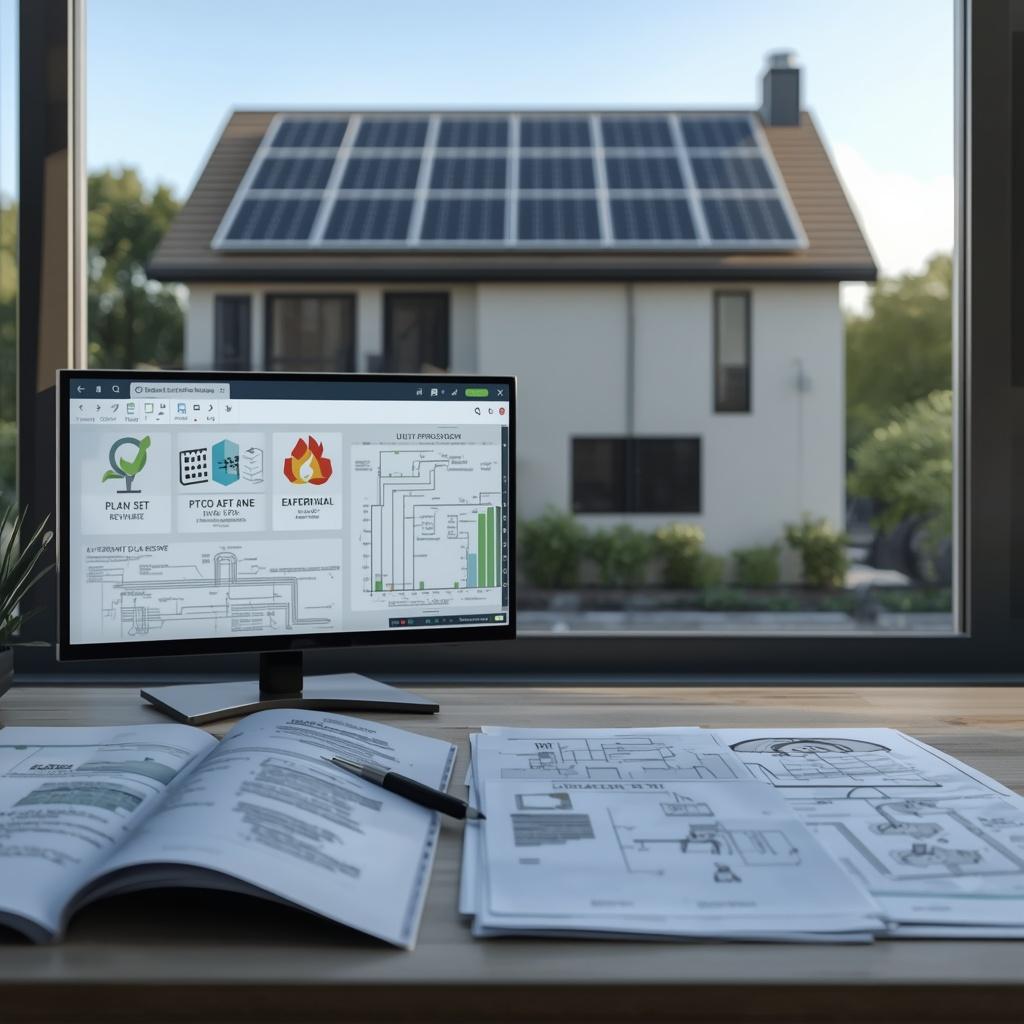
Every solar project starts with a promise on paper, and that promise takes shape through a carefully built solar sales proposal. Homeowners rarely think much about this document once they've signed, yet it quietly influences every stage that follows, from permitting accuracy to final utility sign-off. Because system size, equipment choices, and financing terms all originate here, mistakes made early tend to ripple forward into design and approval later. PTOEdge built its process around treating this document as the foundation it actually is, rather than a formality to rush through before moving on. This article walks through why proposal accuracy matters so much, how it connects to permitting and utility approval, and what happens when that connection breaks down somewhere along the way. Whether you're an installer refining your sales process or a homeowner trying to understand why your numbers changed after signing, the same underlying principles apply. Treating the proposal as a technical document, not just a sales tool, tends to prevent most of the friction that shows up later. Homeowners who understand this connection upfront also tend to ask better questions during the sales conversation itself, which often surfaces potential issues before a contract is even signed.
Tired of proposals that don't match what actually gets permitted later? See how PTOEdge keeps every stage connected before your next project runs into a mismatch.
Why the Solar Sales Proposal Deserves More Attention Than It Gets
Many installers treat the proposal stage as purely a sales function, separate from the technical work that follows once a contract gets signed. However, that separation often creates problems down the line, since design and permitting teams inherit assumptions they had no part in making. This gap widens even further when a company grows quickly, since new hires often lack the context that experienced team members developed over years of handling similar projects. Furthermore, a proposal that overstates production or underestimates equipment costs sets homeowners up for disappointment once the real numbers arrive during design. When expectations don't match reality, trust erodes quickly, even if the actual installation work turns out fine. Because first impressions shape how a homeowner experiences the entire project, getting this early document right pays off well beyond the signing table. In fact, many customer complaints that surface during installation actually trace back to a proposal that promised something the final design couldn't quite deliver. Addressing that gap early, rather than explaining it away later, tends to preserve trust far more effectively.
How a Strong Solar Sales Proposal Prevents Downstream Surprises
A well-built solar sales proposal does more than close a deal; it sets the technical parameters that design and permitting teams rely on for the rest of the project. When proposed system size, panel count, and equipment specifications stay consistent from proposal through final plan set, fewer surprises emerge during review. Meanwhile, proposals built on outdated pricing or unrealistic production estimates often require awkward renegotiation once accurate numbers surface later. Therefore, sales teams that coordinate closely with design and permitting staff from the outset tend to produce far more reliable outcomes for everyone involved. In practice, this alignment often determines whether a homeowner feels confident throughout the process or increasingly frustrated as details shift. Installers who build feedback loops between sales and design, rather than letting each team operate independently, generally catch these mismatches long before a homeowner ever notices them.
Permitting Precision Once the Proposal Becomes Real
Once a proposal moves into design, precision becomes everything, particularly for installers offering solar permit services san diego homeowners can depend on, since California enforces some of the strictest structural and fire code amendments nationwide. Likewise, correct labeling, load calculations, and equipment specifications all need to match exactly what technicians eventually install on site. Once inspection wraps up, attention shifts toward permission to operate services from the utility, which represents the final gate before a system can legally send power to the grid. Many installers underestimate how much coordination this last stage requires, especially when utilities request additional paperwork after the fact. Because pto solar timelines vary considerably by provider, staying organized throughout the process helps avoid unnecessary delays near the finish line. Some utilities process approvals within a matter of days, while others take several weeks depending on staffing levels and current application volume across their service territory. Reliable pto services essentially bridge the gap between a technically complete installation and a system that's actually authorized to operate. Utilities occasionally request updated meter information or revised interconnection paperwork after the fact, which means staying responsive during this final stretch matters just as much as accuracy during the initial submission.
Net Metering Still Shapes the Numbers in Every Proposal
Permitting only tells half the story, since most residential systems also need utility sign-off before they can legally export power to the grid. Understanding solar net metering policy matters here, because utilities calculate credits differently depending on state regulations and local tariff structures. In addition, some regions have shifted away from traditional netting programs toward buy-all, sell-all arrangements, which directly changes how a system should be sized and priced from the outset. Homeowners researching solar panels net metering options should ask their installer how the local utility handles true-up periods and seasonal rate shifts before signing anything. Because these numbers directly affect projected savings, a proposal built without current net metering rules can quickly become inaccurate once policy changes take effect. Reviewing utility tariff updates on a regular basis, rather than relying on figures from months earlier, helps keep every new proposal grounded in current reality.
Battery Storage Adds New Line Items to Consider
Battery adoption has grown quickly across residential solar, and that growth introduces additional cost and regulatory considerations that proposals now need to reflect. Proper battery energy storage permitting involves fire code compliance, ventilation clearances, and setback distances that vary considerably between jurisdictions. Consequently, a proposal that quotes a battery without accounting for these additional permitting requirements often underestimates both cost and installation timeline. Some fire marshals also require separate signage and disconnect labeling specifically for battery systems, adding another documentation layer beyond standard solar drawings. Because these requirements continue evolving as the technology matures, proposals should account for a reasonable buffer rather than assuming the simplest possible outcome. A proposal that builds in this flexibility upfront tends to hold up better once the actual permitting process reveals site-specific requirements nobody anticipated.
HOA Rules Can Quietly Change a Proposal's Assumptions
Beyond municipal permitting, many homeowners also need approval from a homeowners association before installation work can begin. Reviewing hoa solar panel guidelines early helps avoid a scenario where a proposal assumes a layout that the HOA board later rejects on aesthetic grounds. While most states now limit how aggressively an HOA can restrict solar installations, associations can still regulate details like mounting height or panel color. Therefore, a proposal that flags potential HOA review early tends to set more realistic expectations than one that ignores this step entirely. Homeowners who learn about a possible HOA conflict only after signing often feel blindsided, even when the delay itself was unavoidable given local rules.
Plan Sets Turn a Proposal Into a Buildable Design
Once a proposal gets accepted, accurate solar plan sets translate those initial assumptions into drawings that inspectors can actually review and approve. A complete design package includes site layouts, single-line electrical diagrams, and equipment specifications that all need to trace back to what the proposal originally promised. Similarly, detailed pv plan sets must reflect actual roof geometry and shading conditions rather than a generic placeholder layout carried over from the sales stage. When drawings drift too far from the original proposal, homeowners often notice the discrepancy and start asking uncomfortable questions. Keeping a shared reference between the proposal and the final design, rather than letting each document evolve independently, prevents most of these conversations before they ever happen.
Why the Solar Sales Proposal Still Matters After Signing
Long after a homeowner signs, the original solar sales proposal continues functioning as a reference point that design and permitting teams should check against throughout the project. Rather than treating it as a closed chapter, forward-thinking installers revisit proposal assumptions whenever a design change comes up during permitting. Meanwhile, keeping this document accessible to every team involved reduces the chance that someone makes an assumption the homeowner never actually agreed to. This ongoing connection between sales and execution is precisely what separates installers who scale smoothly from those who spend excessive time managing customer complaints. Building that habit early, even when it feels like an extra step, consistently pays off once project volume increases.
Stamping and Permit Precision Close the Loop
Structural drawings often need licensed engineering sign-off through Solar panel stamping before a jurisdiction will even begin reviewing a submission. Anyone wondering whether a solar permit service applies to their specific project should start by reviewing local code before assuming any installation is exempt from review entirely. Likewise, understanding what dedicated pv permit services actually cover helps homeowners set realistic expectations for how long the full approval process might take from start to finish. Engineers reviewing a design for stamping purposes typically check load paths, attachment methods, and roof condition before applying their signature, since that signature carries genuine professional liability if something important was overlooked.
PTO Applications, Growth, and Compliance You Can Trust
A clean PTO application depends on accurate metering information, signed interconnection agreements, and inspection sign-off submitted in the exact format each utility expects. Beyond individual projects, consistent internal processes also support long-term Solar Installer Growth, since companies that close projects faster can absorb more volume without expanding their back-office team. In addition, a dependable solar stamping service ensures structural and electrical drawings carry the licensed engineering approval that many jurisdictions require before reviewing a submission at all. This is where Permit Design & AHJ Compliance becomes especially important, since authority-having-jurisdiction requirements shift constantly and demand ongoing attention rather than a one-time checklist. Installers who treat proposals, design, and permitting as one connected system, rather than separate departments, generally scale more predictably as demand increases across their market. Ultimately, the businesses that grow fastest tend to be the ones where every department works from the same accurate set of assumptions.
Every city enforces its own rules, and a proposal disconnected from permitting reality can quietly set a project up for delays. Start a conversation with the PTOEdge team before your next proposal goes out the door.
Frequently Asked Questions
Why does a solar sales proposal matter beyond just pricing?
A solar sales proposal sets the technical assumptions that design and permitting teams rely on throughout the rest of the project.
How does net metering affect what goes into a proposal?
Net metering determines how utilities credit exported energy, which directly shapes projected savings and system sizing decisions.
Do HOA rules need to be considered before a proposal is finalized?
Yes, HOA guidelines can affect equipment placement or visible design choices that a proposal should account for early.
Why do plan sets need to match the original proposal closely?
Plan sets that drift from proposal assumptions often confuse homeowners and can trigger permitting delays during review.
What role does permission to operate play in the overall timeline?
Permission to operate confirms utility authorization to export power, marking the true final step in a solar project's timeline.

 English
 French
 Spanish
 Portuguese
 Deutsch
 Turkish
 Dutch
Dutch
 Italiano
 Russian
 Romaian
 Portuguese (Brazil)
 Greek
Greek