


Everything You Need to Know Before Buying Heat Rejection Film for Home
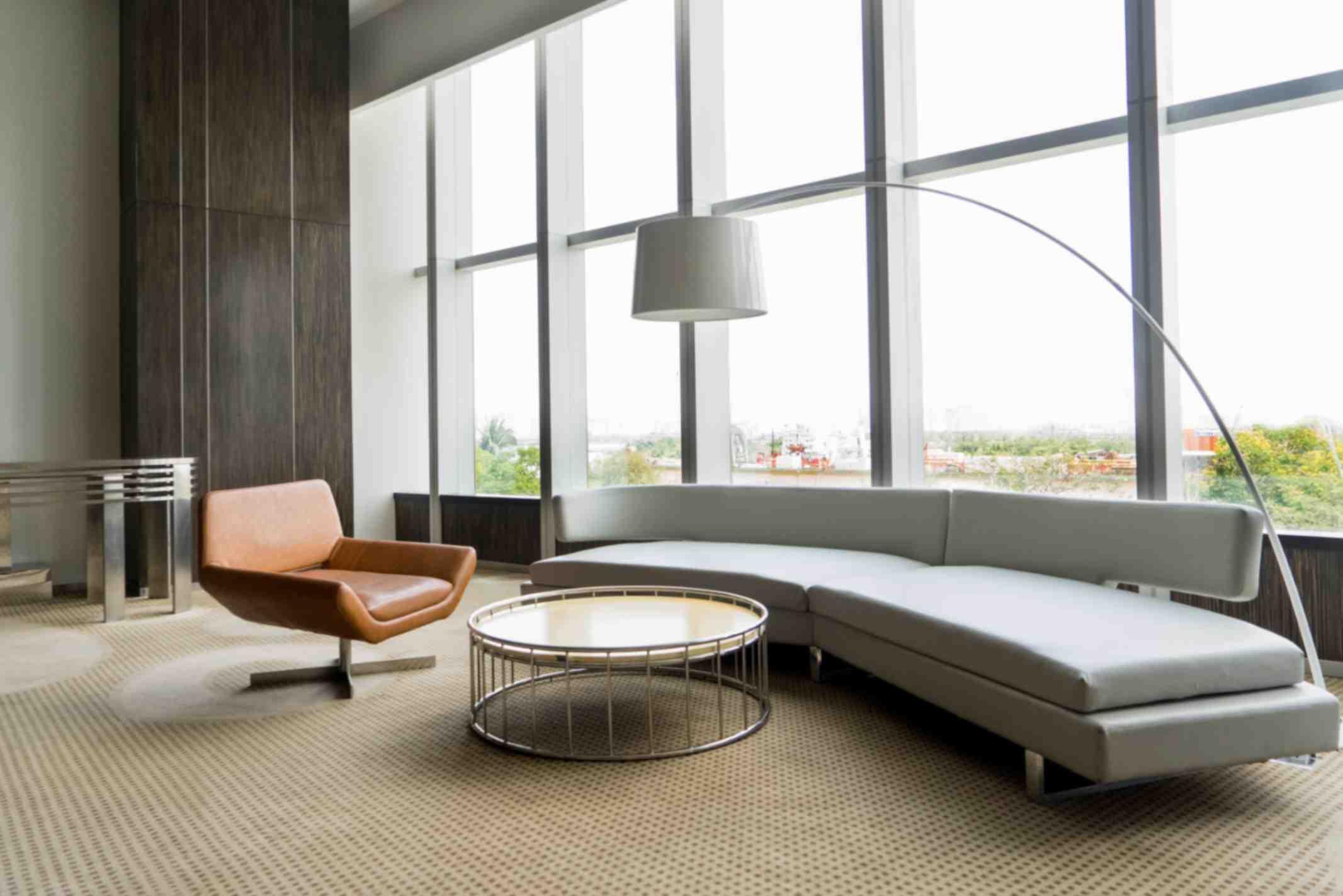
Choosing the right heat rejection film for home is one of the smartest ways to improve indoor comfort, reduce energy consumption, and protect your interiors from harsh sunlight. Many homeowners experience rising indoor temperatures, increased cooling costs, and fading furniture because of constant exposure to the sun. Installing the right window film offers an effective solution without replacing your existing windows. However, not every film delivers the same level of performance. Understanding the different options, features, and installation considerations can help you make a confident purchasing decision.
Whether you are looking for better comfort, privacy, or energy efficiency, knowing what to expect before investing in window films will ensure you receive long-term value.
Why Homeowners Choose Heat Rejection Window Films
Modern homes often include large glass windows that allow natural light to brighten interior spaces. While this creates a pleasant environment, it also allows significant amounts of solar heat to enter the building.
Heat rejection window films are designed to reduce the amount of heat that passes through glass while still allowing natural daylight inside. This helps maintain a comfortable indoor temperature throughout the year.
Some of the most common reasons homeowners install window films include:
-
Lower indoor temperatures
-
Reduced air conditioning usage
-
Improved energy efficiency
-
Protection against UV rays
-
Increased comfort in sunny rooms
-
Reduced glare on televisions and computer screens
-
Better privacy without sacrificing daylight
These advantages make window films a practical investment for both apartments and villas.
Understanding How Heat Rejection Films Work
Heat rejection films consist of multiple layers engineered to reflect and absorb solar energy before it enters your home. Instead of allowing sunlight to directly heat your interiors, the film minimizes heat transfer through the glass.
Most premium films also block a high percentage of ultraviolet rays, helping protect flooring, furniture, curtains, artwork, and upholstery from fading.
Unlike traditional tinted glass, modern window films are available in various shades and technologies, allowing homeowners to choose solutions that balance visibility, aesthetics, and performance.
Types of Window Films Available
Before making a purchase, it is important to understand the different types of films available in the market.
Dyed Films
Dyed films primarily reduce glare and improve appearance. They offer moderate heat reduction but are generally more affordable than advanced films.
Metalized Films
Metalized films contain microscopic metallic particles that reflect solar heat effectively. They provide excellent durability and improved heat rejection. However, certain products may interfere with mobile or wireless signals.
Ceramic Films
Ceramic technology is considered one of the highest-performing options available today. These films reject heat efficiently while maintaining excellent visibility. They do not interfere with electronic devices and offer outstanding durability.
Hybrid Films
Hybrid films combine multiple technologies to provide balanced performance, appearance, and cost-effectiveness.
Understanding these categories helps homeowners select the most suitable solution based on their budget and performance expectations.
Important Factors to Consider Before Buying
Purchasing window film involves more than simply choosing the darkest option. Several important factors influence overall performance.
Heat Rejection Performance
The primary purpose of window film is reducing solar heat. Compare products based on their solar heat rejection ratings instead of relying only on appearance.
Higher heat rejection generally results in improved indoor comfort and reduced cooling costs.
UV Protection
Most premium films block up to 99 percent of harmful ultraviolet rays. This protects both your family's skin and valuable interior furnishings from long-term sun damage.
Visible Light Transmission
Visible Light Transmission refers to how much natural light passes through the film.
Some homeowners prefer brighter interiors, while others choose darker films for additional privacy. Finding the right balance is essential.
Glare Reduction
Rooms with televisions, computers, or workstations benefit from films that minimize glare without making interiors excessively dark.
Privacy Requirements
Some films improve daytime privacy while maintaining outdoor views. Frosted or decorative films provide even greater privacy for bathrooms or street-facing windows.
Warranty
Quality manufacturers typically offer long warranties covering discoloration, peeling, bubbling, or cracking. A strong warranty often indicates higher product quality.
Climate Matters
Hot climates place greater demands on window films. Homes exposed to strong sunlight throughout the day require products specifically designed for maximum heat rejection.
Choosing films suited to your local weather conditions helps maintain consistent performance over many years.
This becomes particularly important for homeowners searching for window film Abu Dhabi, where prolonged sunlight and high temperatures require durable, high-performance solutions.
Professional Installation vs DIY
Some homeowners consider installing window film themselves to reduce costs. While DIY installation kits are available, professional installation often provides better long-term results.
Professional installers ensure:
-
Proper surface preparation
-
Bubble-free application
-
Accurate trimming
-
Strong edge sealing
-
Longer product lifespan
Incorrect installation may cause peeling, bubbling, or reduced performance.
Since window films are expected to last for many years, professional installation is often worth the investment.
Common Misconceptions About Window Films
Several myths continue to discourage homeowners from installing window films.
Window Films Make Homes Too Dark
Modern films are available in many shades. High-performance ceramic films can reject significant heat while maintaining excellent visibility.
Window Films Damage Glass
Quality films installed correctly on compatible glass types do not damage windows.
All Films Perform the Same
Performance varies significantly depending on technology, thickness, materials, and manufacturing quality.
Window Films Eliminate All Heat
Window films reduce a significant amount of solar heat but cannot completely eliminate it. Performance also depends on window orientation, insulation, and overall building design.
Questions You Should Ask Before Purchasing
Before selecting any film, consider asking these questions:
-
How much heat does it reject?
-
What percentage of UV rays does it block?
-
Does it reduce glare?
-
Is it suitable for my window type?
-
Does it affect indoor brightness?
-
What warranty is included?
-
How long will installation take?
-
How long is the expected lifespan?
These questions help compare products more effectively.
Maintenance After Installation
Window films require minimal maintenance once installed.
To maximize lifespan:
-
Wait until the recommended curing period ends before cleaning.
-
Use soft microfiber cloths.
-
Avoid abrasive cleaning tools.
-
Use mild, ammonia-free cleaning solutions.
-
Inspect edges periodically for damage.
Proper maintenance keeps the film looking clear and performing efficiently for years.
Signs You Need Heat Rejection Window Film
Many homeowners postpone installation until indoor discomfort becomes obvious.
Common signs include:
-
Rooms become extremely hot during afternoons.
-
Air conditioning runs continuously.
-
Furniture fades near windows.
-
Glare makes television difficult to watch.
-
Energy bills continue increasing.
-
Certain rooms remain uncomfortable despite cooling.
If these issues sound familiar, installing heat rejection film for home may provide noticeable improvements.
Energy Savings and Long-Term Value
Although quality window films require an initial investment, they often contribute to long-term savings.
Lower indoor temperatures reduce air conditioner workload, leading to lower electricity consumption over time.
Additional financial benefits include:
-
Reduced maintenance on cooling systems
-
Longer furniture lifespan
-
Lower replacement costs for faded interiors
-
Increased indoor comfort
-
Improved property value
These long-term advantages often outweigh the installation cost.
Choosing the Right Appearance
Today's window films are available in various finishes that complement different architectural styles.
Options include:
-
Clear films
-
Light reflective films
-
Dark tinted films
-
Neutral appearance films
-
Frosted decorative films
-
Ceramic films with high clarity
Selecting a style that matches your home's design helps maintain curb appeal while improving performance.
Homeowners researching window film abu dhabi often prioritize products that combine high heat rejection with a clean, modern appearance suitable for contemporary homes.
Mistakes to Avoid When Buying
Avoid these common purchasing mistakes:
Choosing Based Only on Price
Low-cost films may fade, bubble, or peel more quickly than premium products.
Ignoring Performance Ratings
Always compare technical specifications instead of relying only on appearance.
Forgetting Warranty Details
A comprehensive warranty provides additional peace of mind.
Selecting the Wrong Shade
The darkest film is not always the most effective. Performance depends on technology rather than darkness alone.
Hiring Inexperienced Installers
Proper installation significantly affects durability and overall performance.
Is Heat Rejection Film Worth It?
For most homeowners, the answer is yes.
Window films provide an effective balance between comfort, energy efficiency, UV protection, and interior preservation without replacing existing windows.
With advancements in film technology, homeowners can enjoy cooler interiors while maintaining natural light and enhancing the appearance of their homes.
When selected carefully and professionally installed, heat rejection film for home delivers lasting performance that improves everyday living.
Final Thought
Buying the right window film involves understanding performance, durability, installation quality, and your home's specific needs. Rather than focusing only on price or appearance, consider how well the film reduces heat, blocks UV rays, improves comfort, and supports energy efficiency. A well-informed decision can provide years of benefits, from lower cooling costs to better indoor comfort and protection for your home's interiors. Taking the time to compare options before purchasing ensures you invest in a solution that offers lasting value and dependable performance.

 English
 French
 Spanish
 Portuguese
 Deutsch
 Turkish
 Dutch
Dutch
 Italiano
 Russian
 Romaian
 Portuguese (Brazil)
 Greek
Greek