


Cold Winter Mornings in Pakistan: Which Shawl for Men Offers the Right Balance of Warmth and Comfort?
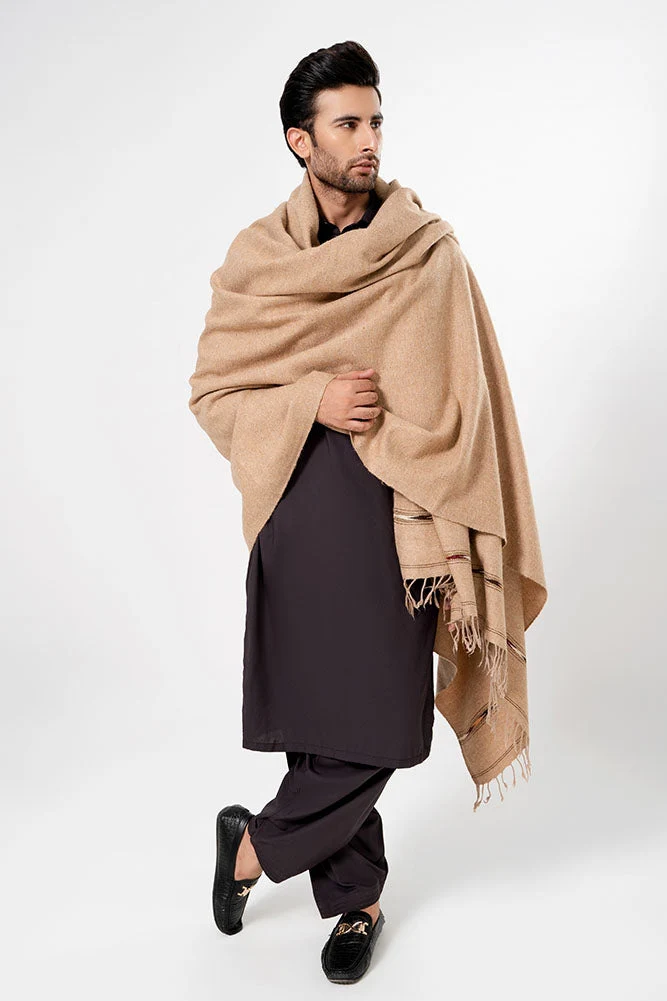
On a cold winter morning in Swat, the warmth of a shawl begins long before it reaches someone’s shoulders. It starts with the hands of artisans working on traditional looms, carefully turning wool fibres into a piece of clothing that has protected people from winter for generations.
One such artisan is Matiur Rehman, whose work was documented by Dawn. He had been connected with the Swat handloom industry since 1995 and explained that a common-quality shawl could take around 3 hours to manufacture, while more detailed pieces required much more time and effort. His story shows that a shawl is not only a winter accessory. It represents skill, patience and a craft tradition that has survived through changing times.
For men in Pakistan, choosing a winter shawl is not only about finding something warm. It is about finding the right balance between protection from cold, comfort during long hours of wear and a style that works with traditional clothing.
The answer depends on where you live and how you spend your winter days.
For most Pakistani men, a pure wool shawl provides the best overall balance of warmth, durability and everyday comfort. Men living in colder northern areas may need heavier options such as dhussa, while those attending formal gatherings may prefer the softness and lighter feel of pashmina.
A good shawl for men should not simply feel warm when you first wear it. It should remain comfortable when you use it throughout the day.
Which Shawl for Men Is Best for Pakistani Winters?
Pakistan has many different winter conditions. A person living in Gilgit-Baltistan experiences a very different winter from someone living in Karachi. Because of this, the “best” shawl depends on climate, routine and personal preference.
A pure wool shawl is usually the most practical choice for daily winter use. It provides reliable warmth and works well with traditional Pakistani clothing such as shalwar kameez and kurta pajama.
Pashmina is better suited for people who want a lighter and softer option, especially for weddings, formal events or occasions where appearance matters.
Merino wool is useful for men who want comfort during longer periods of wear because its finer fibres generally provide a softer feel.
Dhussa shawls are suitable for colder regions where stronger protection from cold winds is needed.
The right choice is not always the thickest shawl available. A very heavy shawl may provide excellent warmth but can become uncomfortable if you spend most of your day indoors. A lighter shawl may feel better for someone who moves between different environments.
The best winter shawl is the one that matches your lifestyle.
Why Shawls Remain Popular Among Pakistani Men
Shawls have remained part of Pakistani winter clothing because they combine function with tradition.
A man wearing a shawl with shalwar kameez is not only adding an extra layer against cold weather. He is also continuing a style that has been part of the region’s clothing culture for generations.
One reason shawls remain practical is their flexibility.
A jacket usually has one fixed way of being worn. A shawl can be adjusted throughout the day. It can be wrapped tightly during a cold morning, placed loosely over the shoulders while sitting indoors or styled neatly for a formal gathering.
This makes it suitable for different situations.
A person leaving home early in the morning may experience colder temperatures. Later, the same person may spend time inside a heated office or a warmer environment. A shawl allows easy adjustment without needing to change the entire outfit.
According to the Pakistan Meteorological Department (PMD), winter conditions in Pakistan vary significantly across regions. Weather patterns are influenced by different systems, including western disturbances, which can affect temperatures and cold conditions in several areas.
This regional difference is important when selecting winter clothing.
A shawl that works perfectly in Murree, Swat or northern areas may feel too heavy in Lahore or Karachi. Understanding your local weather helps you choose comfort instead of simply choosing more fabric.
What Makes a Shawl Warm and Comfortable?
Many people judge winter clothing by thickness alone. However, warmth depends on much more than how heavy a fabric feels.
The type of fibre, quality of weaving and construction of the shawl all influence how well it performs.
Wool has remained one of the most trusted winter fibres because of its natural properties. According to the International Wool Textile Organisation (IWTO), wool can absorb up to 35% of its own weight in moisture while still helping maintain comfort.
This quality allows wool to manage moisture and support temperature regulation.
The structure of wool fibres helps trap air, creating natural insulation. This is why wool shawls can provide warmth without always feeling uncomfortable when temperatures change.
However, different types of wool provide different experiences.
A thick wool shawl may be ideal for someone spending several hours outside during cold weather. The same shawl may feel unnecessary for someone who mainly travels by car and works indoors.
Comfort comes from choosing the right balance.
A winter shawl should provide enough warmth without becoming something you want to remove after a short time.
Pure Wool Shawls: The Everyday Winter Choice
For most men in Pakistan, pure wool remains one of the most practical choices.
Its biggest advantage is balance. It offers warmth, durability and versatility, making it suitable for regular use.
A pure wool shawl can work for many situations:
A man going to work early in the morning can use it for protection against cold air. Someone attending prayer or visiting family can wear it comfortably with traditional clothing. A person sitting outside during evening hours can rely on it for extra warmth.
Pure wool also has a classic appearance that works with different colours and styles of shalwar kameez.
When selecting a shawl for men, material should be one of the first things to consider. The fibre affects softness, weight and the overall wearing experience.
Many buyers focus heavily on design, but the material determines how useful the shawl will be after purchase.
A good winter shawl is not only attractive. It should become a reliable part of your daily routine.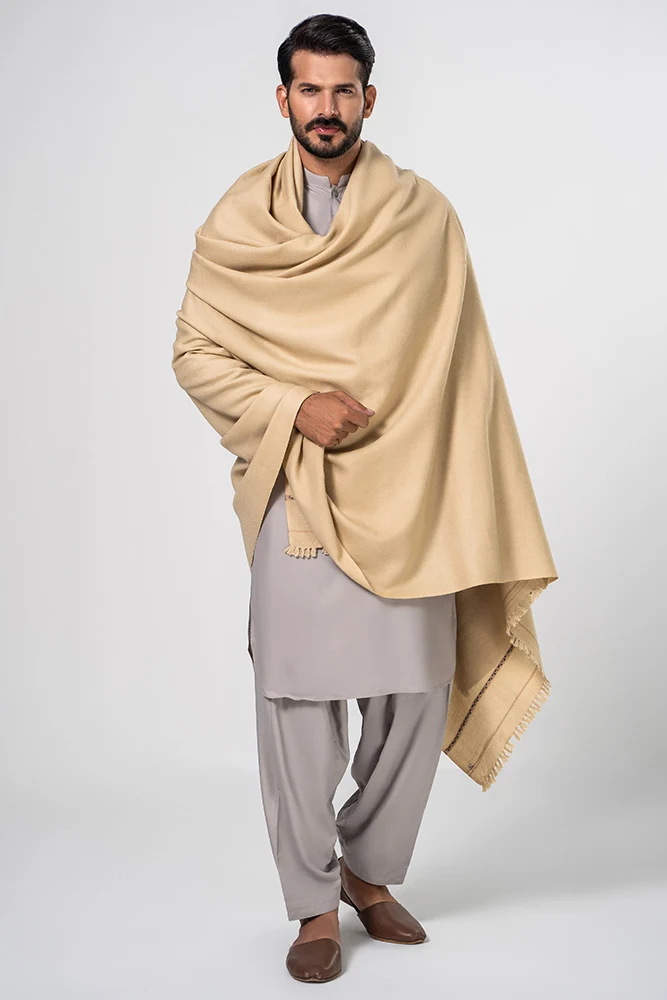
Pashmina Shawls: Lightweight Warmth With Traditional Value
Pashmina has a special position in South Asian textile traditions because of its softness and fine craftsmanship.
The history of Kashmir shawls is connected with centuries of skilled weaving practices. Research published in the International Review of Social Sciences explains that Kashmir shawl craftsmanship developed through a complex tradition that dates back at least 500 years, involving specialised weaving techniques and artistic skills.
Pashmina is valued because it offers warmth without the heavier feeling of some wool options.
This makes it attractive for men who want a refined winter look.
For example, during a winter wedding, a man may need a shawl that protects him from evening cold while still matching formal traditional clothing. A lightweight pashmina can provide this balance.
However, buyers should always look beyond the name.
The quality of a shawl depends on the actual material, craftsmanship and finishing. Understanding these details helps avoid choosing only based on appearance.
A premium-looking shawl should also feel comfortable when worn.
Merino Wool: A Comfortable Choice for Men Who Wear Shawls for Long Hours
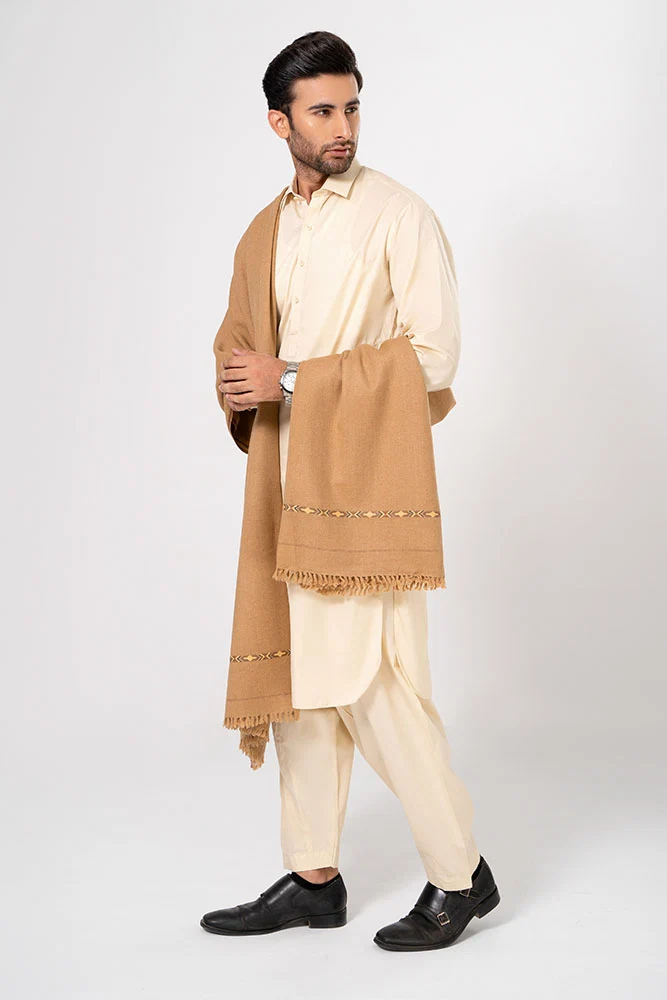
Merino wool is another option for men who want warmth with a softer and lighter wearing experience.
Unlike many traditional wool types that can sometimes feel coarse, Merino wool comes from Merino sheep and is known for its finer fibres. This makes it popular among people who want a comfortable layer that can be worn for several hours without feeling heavy.
For example, consider a man who leaves home early in the morning, spends time outside while travelling, works indoors during the day and returns home after sunset. The temperature changes throughout the day, so the ideal shawl should provide warmth while remaining comfortable in different situations.
This is where Merino wool can be useful.
It offers a balance between insulation and softness. It is not always about choosing the thickest fabric. In many cases, the most practical winter clothing is the one that you can comfortably wear for a long period.
However, the right choice still depends on location.
A person living in a colder northern area may need a heavier wool shawl, while someone living in a city with moderate winters may appreciate the lighter feel of Merino wool.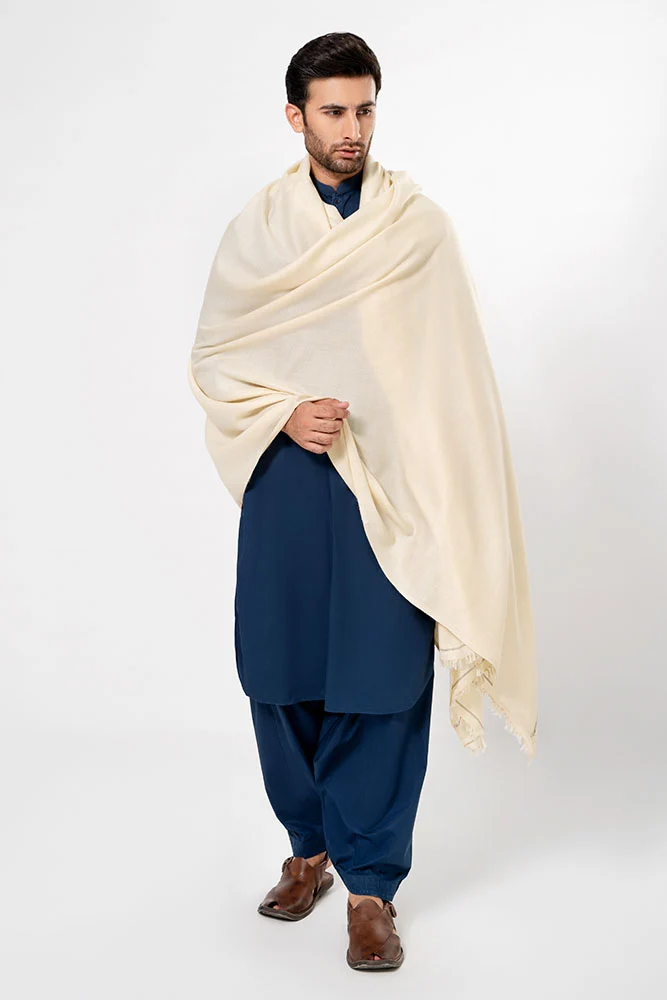
Dhussa Shawls: Traditional Warmth for Colder Pakistani Regions
For men living in colder parts of Pakistan, warmth often becomes the main priority. This is where dhussa shawls have maintained their importance.
Dhussa has long been associated with traditional winter clothing in the region. Its heavier feel makes it suitable for colder mornings, outdoor gatherings and situations where stronger protection against cold air is required.
In northern areas, where winter conditions can be much harsher than central and southern Pakistan, a heavier shawl can provide more comfort.
Dhussa also carries a traditional appearance that works naturally with Pakistani clothing. It can be worn with shalwar kameez, kurta pajama and other cultural outfits during winter events.
However, heavier does not always mean better.
A man who spends most of his time indoors may find a lighter wool or pashmina shawl more comfortable. The purpose of a shawl is not only to block cold but also to make winter easier to manage.
The right choice should match the way you actually live.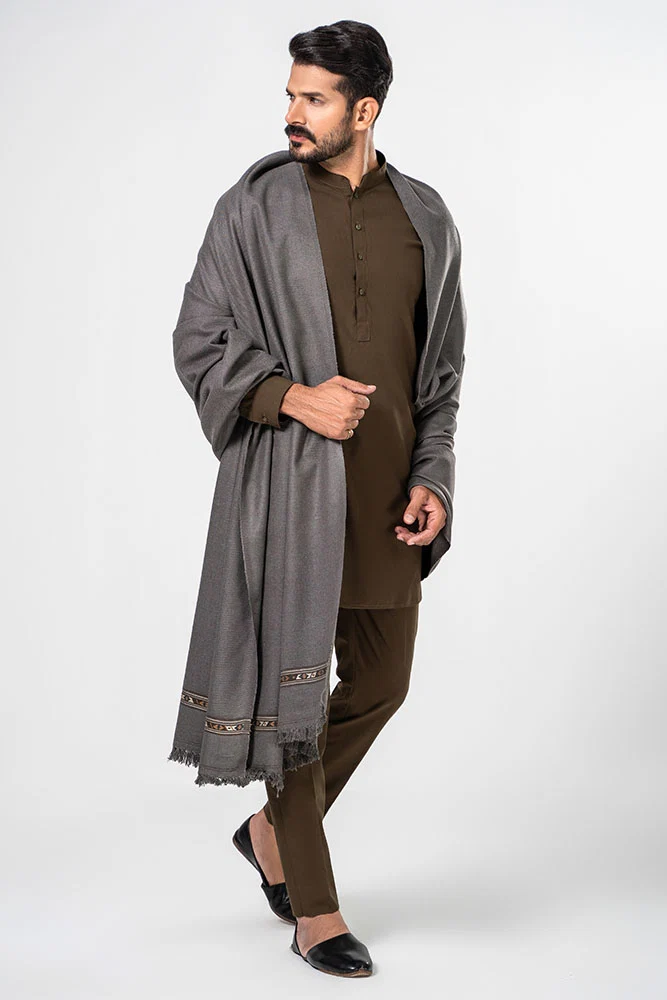
Pure Wool vs Pashmina vs Merino vs Dhussa: Understanding the Difference
Choosing a winter shawl becomes easier when you understand what each material offers.
Pure wool is usually the most practical choice for everyday winter use in Pakistan. It provides reliable warmth, durability and versatility. A man who wants one shawl for regular use will often find wool the most balanced option.
Pashmina is better suited for those who prefer softness, lighter weight and a refined appearance. It is often chosen for formal occasions, weddings and events where elegance matters.
Merino wool is suitable for men who want comfort during longer periods of wear. Its finer fibres provide a softer experience compared with many traditional wool options.
Dhussa is ideal for colder regions and outdoor use because of its heavier construction and traditional winter appeal.
There is no single winner for every person.
A man in Karachi, where winters are generally milder, may have different needs from someone in Gilgit-Baltistan. Someone attending evening weddings may value appearance and softness, while someone travelling daily may prioritise durability and warmth.
The best shawl is the one that fits your situation.
How to Choose a Shawl According to Pakistan’s Weather
Pakistan’s climate changes dramatically from one region to another, which means winter clothing choices should also change.
In northern areas such as Gilgit-Baltistan, parts of Khyber Pakhtunkhwa and mountainous regions, winter can be severe. Men living there often need stronger insulation, making heavier wool and dhussa styles more suitable.
In Islamabad, Peshawar and many parts of Punjab, mornings and evenings can be cold while daytime temperatures may become more comfortable. A medium-weight wool shawl often provides the right balance.
In Lahore, where winter is usually shorter and less extreme compared with northern regions, many men prefer shawls that provide warmth without unnecessary weight.
In Karachi and other coastal areas, winter is milder. A lighter wool or pashmina shawl may provide enough comfort during cooler evenings.
This regional difference is why buying a shawl should not be based only on fashion.
A shawl should match your environment.
What Should You Check Before Buying a Winter Shawl?
A quality winter shawl is a combination of good material, comfortable weight and proper finishing.
The first thing to consider is the fibre.
Pure wool is generally preferred for daily winter use because of its warmth and durability. Pashmina offers softness and a premium feel. Merino focuses more on comfort, while dhussa provides stronger warmth.
The second thing is weight.
A shawl should feel comfortable when placed over your shoulders. If it feels too heavy after a few minutes, it may become difficult to wear throughout the day.
The third factor is the weave.
A well-made shawl usually has consistent texture and careful finishing. The edges, patterns and overall construction can indicate the level of craftsmanship behind the product.
Colour is also important.
Traditional colours such as black, brown, grey, beige and cream are easier to combine with different outfits. These shades work well for daily wear and formal events.
A shawl is not usually purchased for one single occasion. It becomes part of a winter wardrobe, so choosing something versatile often provides better long-term value.
Why Thickness Alone Does Not Define a Good Shawl
Many buyers make the mistake of judging quality only by thickness.
A thick shawl can feel warm when you first touch it, but comfort depends on the complete design.
The fibre quality, softness, weave and weight all affect how the shawl feels after hours of use.
For example, someone attending a winter wedding may need warmth but also wants to move comfortably, sit easily and avoid feeling restricted. A slightly lighter but better-quality shawl may provide a better experience than a very heavy option.
The same applies to daily use.
A shawl that feels comfortable during a short trial is not always the same shawl that feels comfortable after wearing it for an entire day.
This is why experienced buyers focus on balance rather than simply choosing the thickest option.
The Importance of Shawls in Pakistani Winter Weddings
Winter weddings are one of the most common situations where men look for quality shawls.
Many Pakistani weddings continue into the evening, when temperatures become colder. Outdoor marquees, open areas and long gatherings make an additional warm layer useful.
A shawl adds comfort without taking away from traditional clothing.
For formal occasions, many men prefer softer and more refined materials because they complement traditional outfits. Pashmina and fine wool options are often chosen when appearance is important.
However, warmth should still remain a priority.
A wedding shawl should allow someone to enjoy the event rather than constantly adjust because of cold weather.
The best choice combines elegance with practicality.
Why Traditional Shawls Continue to Matter Today
Modern winter fashion has introduced many new clothing options, but shawls continue to hold their place in Pakistan.
The reason is simple.
They provide warmth while staying connected with cultural clothing traditions.
The work of artisans in Swat and Kashmir shows that shawls represent more than a finished product. They represent skills, materials and techniques developed over generations.
Reports from Dawn about traditional weaving communities show that many artisans continue preserving these crafts despite challenges from cheaper alternatives.
This connection between craftsmanship and everyday use is what keeps shawls relevant.
A person wearing a quality shawl is not only choosing winter protection. They are also choosing a product connected with regional history and traditional skill.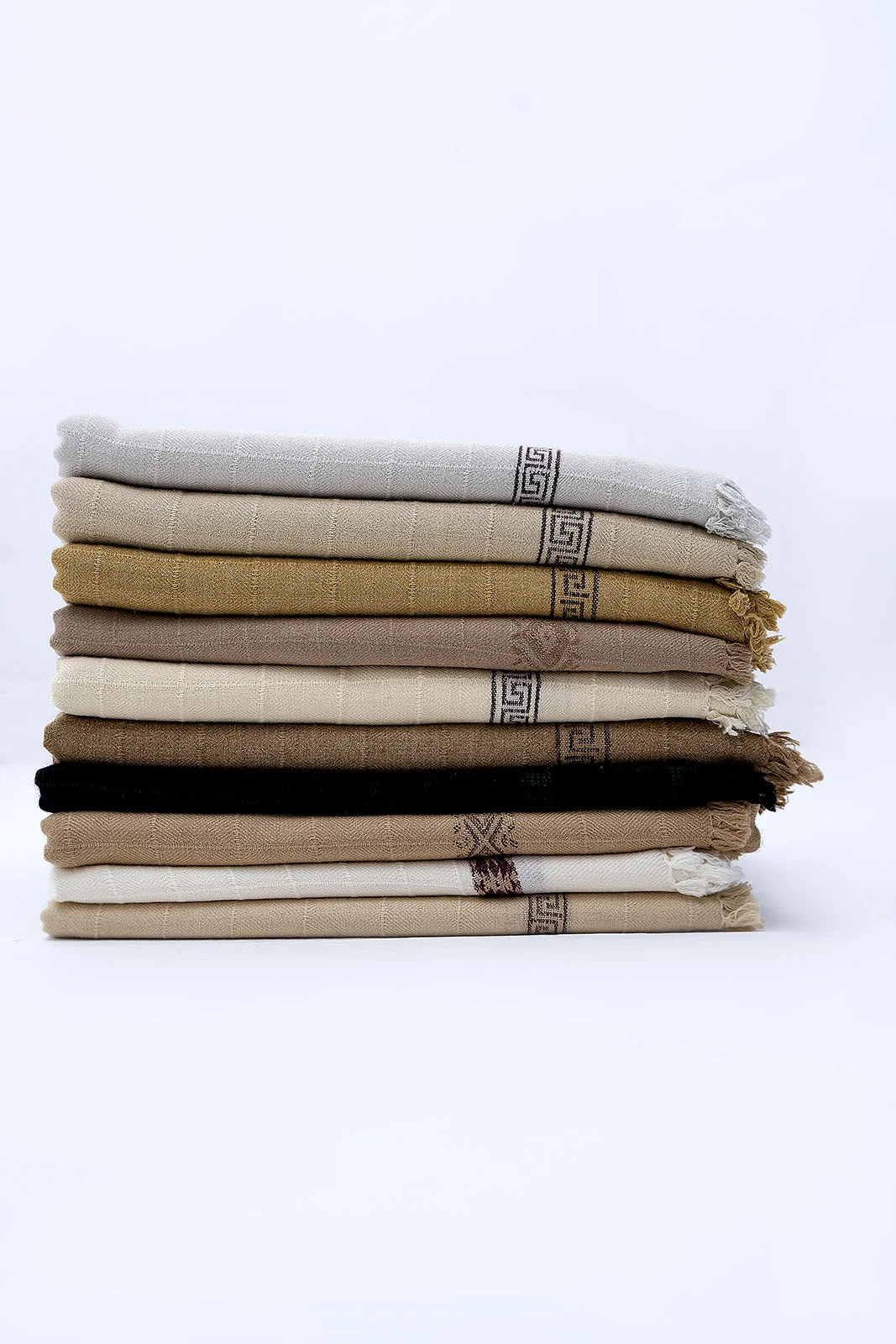
Common Questions About Choosing a Shawl for Men
Which shawl for men is best for Pakistani winters?
For most men in Pakistan, a pure wool shawl offers the best balance of warmth, comfort and daily practicality. It works well for regular winter use and traditional clothing.
Men living in colder regions may prefer heavier options such as dhussa, while those attending formal events may choose pashmina for its softer and lighter feel.
Is wool better than pashmina for everyday use?
It depends on the purpose.
Pure wool is usually more practical for daily winter wear because it offers durability and reliable warmth. Pashmina is often preferred for special occasions because of its softness and elegant appearance.
Which shawl is suitable for a winter wedding?
A pashmina or fine wool shawl is often suitable for winter weddings because it provides warmth while maintaining a formal appearance.
However, the weather and location of the event should also be considered. Outdoor evening weddings may require a warmer option.
Finding the Right Balance Between Warmth and Comfort
Choosing the right shawl is ultimately about understanding your own needs.
For most Pakistani men, pure wool provides the strongest combination of warmth, comfort and everyday usefulness. It works well for daily routines and traditional clothing.
Pashmina offers a softer and lighter option for formal occasions. Merino wool provides comfort for longer wear, while dhussa remains a practical choice for colder regions.
The best shawl is not always the most expensive or the heaviest one. It is the one that feels right when you wear it.
A good winter shawl protects against cold mornings, supports daily comfort and keeps alive a tradition that has been part of Pakistan’s clothing culture for generations.

 English
 Arabic
 French
 Spanish
 Portuguese
 Deutsch
 Dutch
Dutch
 Italiano
 Russian
 Romaian
 Portuguese (Brazil)
 Greek
Greek