


How a Denture Clinic Helps You Adjust to New Dentures
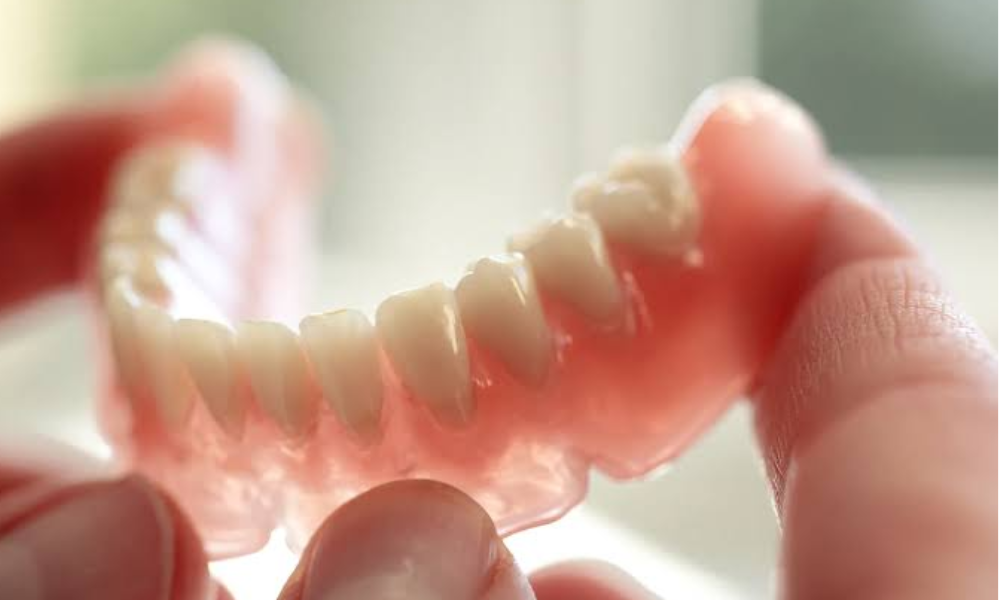
Getting new dentures can restore your smile, improve your ability to eat and speak, and give you greater confidence. However, adjusting to a new set of dentures can take time. They may feel unusual at first, and you may need to practice speaking, eating, and caring for them before they feel completely natural.
A professional denture clinic can provide valuable support throughout this adjustment period. From accurate fitting and personalised advice to follow-up appointments and professional adjustments, a denture clinic can help make the transition smoother and more comfortable.
Understanding what to expect can also make the process less stressful. Here is how professional denture care can help you adapt to your new dentures.
Why Do New Dentures Feel Different?
Even when dentures have been professionally designed and fitted, they can initially feel unfamiliar. Your tongue, cheeks and other muscles in your mouth need time to adjust to the shape and position of your new dentures.
During the first few days or weeks, you may experience:
-
A feeling of fullness in your mouth
-
Increased saliva production
-
Slight changes in speech
-
Difficulty chewing certain foods
-
Minor gum irritation
-
A feeling that the dentures are moving
These experiences can be part of the normal adjustment process. However, persistent pain, significant irritation or dentures that continually move should be assessed by a dental professional.
The NHS explains that becoming accustomed to dentures can take several weeks, and practice can help you adapt.
How a Denture Clinic Ensures a Proper Fit
A good adjustment experience starts with properly fitted dentures. Before your dentures are made, a dental professional will assess your mouth and take appropriate measurements or impressions.
The information gathered during this process helps create dentures that are designed around your individual mouth. Depending on the provider, traditional impressions or modern digital scanning techniques may be used.
Once your dentures are ready, the clinician will check how they fit and whether they are comfortable. If pressure points or other issues are identified, adjustments may be possible.
A properly fitted denture should feel secure without causing unnecessary pressure or discomfort.
Follow-Up Appointments Make a Difference
Receiving your dentures is not necessarily the end of your treatment. Follow-up appointments can be particularly useful during the early adjustment period.
When you begin wearing your dentures regularly, you may discover issues that were not immediately noticeable during the initial fitting. For example, a particular area may rub against your gums or the denture may move when you eat.
A denture clinic can assess these concerns and make professional adjustments where appropriate.
Follow-up appointments may involve checking:
-
Denture stability
-
Gum comfort
-
Pressure points
-
Speech
-
Chewing ability
-
Overall fit
-
The condition of your remaining natural teeth and oral tissues
If your dentures remain uncomfortable, do not attempt to reshape them yourself. Professional adjustment is safer and helps protect the fit of the appliance.
Learning to Eat With New Dentures
Eating is often one of the biggest challenges when adjusting to new dentures. Unlike natural teeth, dentures require you to develop new habits for biting and chewing.
Start with softer foods that are easier to manage. As your confidence improves, gradually introduce foods with firmer textures.
You can make eating easier by:
-
Cutting food into smaller pieces
-
Chewing slowly
-
Using both sides of your mouth
-
Avoiding very sticky foods initially
-
Taking smaller bites
-
Gradually returning to your usual diet
The NHS recommends starting with softer foods and gradually progressing towards more solid foods as you become accustomed to your dentures.
Your denture professional can also give you practical advice based on your specific type of dentures.
Getting Used to Speaking Again
New dentures can temporarily affect your speech because your tongue has to adapt to the new shape inside your mouth.
You may notice that certain words or sounds feel different. This does not necessarily mean something is wrong with your dentures.
Regular practice can help. Reading aloud, talking with friends or family and repeating difficult words can help your tongue become accustomed to the dentures.
If your speech does not improve or your dentures move significantly while you talk, contact your denture clinic for an assessment. A professional can determine whether the issue is part of the normal adjustment process or whether your dentures require modification.
Managing Soreness and Irritation
Some mild irritation can occur when you first start wearing new dentures. Your gums and other oral tissues need time to adapt to the appliance.
However, ongoing or severe soreness should not be ignored.
If a particular part of your denture repeatedly causes discomfort, your clinic may be able to identify a pressure point and make an appropriate adjustment.
It is important not to assume that painful dentures simply need more time. Continuing to wear poorly fitting dentures can make irritation worse.
If you experience persistent pain, sores or significant discomfort, arrange an appointment with your dental or denture professional.
Learning Proper Denture Care
A professional denture clinic can also teach you how to look after your new dentures. Good cleaning habits help remove food particles, plaque and stains while supporting good oral hygiene.
The NHS advises cleaning dentures regularly and also cleaning your gums, tongue and any remaining natural teeth. It also generally recommends removing dentures at night unless your dental professional advises otherwise.
Your daily routine should include:
-
Rinsing dentures after meals
-
Cleaning them with appropriate products
-
Using a suitable denture brush
-
Cleaning your gums and tongue
-
Cleaning remaining natural teeth carefully
-
Handling dentures over a soft surface or water to reduce the risk of damage
-
Storing them appropriately when not being worn
Avoid using very hot water because heat can affect the shape of some denture materials.
Understanding Denture Adjustments
Sometimes, your new dentures may require minor adjustments after you have worn them for a while. This does not necessarily mean the dentures were made incorrectly.
Your mouth can respond differently once you begin using the dentures every day. Areas that were comfortable during the initial fitting may become noticeable after longer periods of wear.
A professional can make appropriate adjustments to improve comfort and stability.
Never attempt to file, bend or alter your dentures yourself. Even a small change can affect their fit and potentially create further problems.
Monitoring Changes Over Time
Your mouth naturally changes over the years. Changes to your gums and the underlying jawbone can affect the way dentures fit.
This means that dentures that were once comfortable may eventually become loose or less stable.
Regular dental and denture check-ups can help identify these changes. Depending on the condition of your dentures and your oral health, your professional may recommend an adjustment, reline, repair or replacement.
If your dentures suddenly feel loose, uncomfortable or difficult to use, arrange a professional assessment rather than relying on temporary solutions.
How a Denture Clinic Supports Your Confidence
Adjusting to dentures is not only about physical comfort. It can also affect how confident you feel when smiling, speaking or eating around other people.
Having access to professional advice can provide reassurance during this transition. Knowing that minor problems can often be addressed through adjustments or practical guidance can make the experience feel much more manageable.
As you become familiar with your dentures, activities that initially feel difficult should gradually become more natural.
How Long Does It Take to Adjust to New Dentures?
There is no fixed timeframe for everyone. Some people become comfortable with their dentures relatively quickly, while others require several weeks or additional appointments.
Your adjustment period can depend on factors such as the type of dentures you have, your previous experience with dentures, the condition of your mouth and how frequently you wear them.
Patience is important. Practising regularly and following professional advice can help you become comfortable with your dentures.
When Should You Contact Your Denture Clinic?
You should contact your dental or denture professional if you experience ongoing problems such as:
-
Persistent gum soreness
-
Pain when wearing your dentures
-
Dentures that repeatedly slip
-
Difficulty chewing after the initial adjustment period
-
Problems speaking that do not improve
-
Cracks or damage
-
Significant changes in fit
-
Red or irritated areas in your mouth
A professional assessment can identify the cause and determine whether an adjustment, repair or replacement is appropriate.
Conclusion
Adjusting to new dentures is a gradual process, but professional support can make it considerably easier. A denture clinic can help ensure your dentures are accurately fitted, provide adjustments when needed, and teach you how to eat, speak, and care for your new appliance.
The key is to give yourself time to adapt while seeking professional advice if problems persist. With a suitable fit, proper aftercare, and regular professional support, you can gradually become more comfortable and confident wearing your new dentures.
If your new dentures are causing persistent discomfort or are not functioning as expected, speaking with a qualified denture professional is an important next step.

 English
 Arabic
 French
 Spanish
 Portuguese
 Deutsch
 Turkish
 Dutch
Dutch
 Russian
 Romaian
 Portuguese (Brazil)
 Greek
Greek