


Septic System Installation in Manchester: A Complete Guide for Homeowners
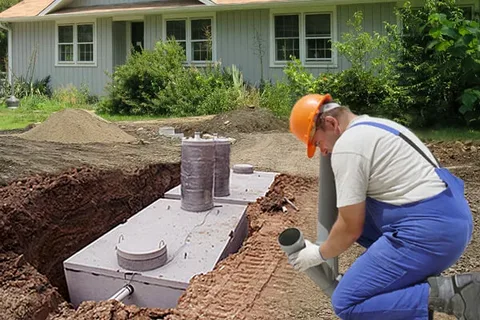
A properly designed and installed septic system is essential for homes and properties that are not connected to a municipal sewer system. When wastewater needs to be managed safely and efficiently, professional installation can help protect your property, groundwater, landscaping, and long-term investment. If you are planning new construction, replacing an outdated system, or developing a property without sewer access, Septic system installation in Manchester should be handled by qualified professionals familiar with local requirements.
New Hampshire requires prior approval of septic system plans before construction, and septic installers working professionally must hold the appropriate state installer permit.
What Is a Septic System?
A septic system is an underground wastewater treatment system designed to collect, treat, and disperse wastewater generated by a property. It generally includes a septic tank, connecting pipes, and an effluent disposal area or drain field.
Inside the tank, heavier solids settle to the bottom as sludge while lighter materials form a floating layer. The liquid wastewater moves toward the disposal area, where it receives additional treatment as it passes through suitable soil.
A well-designed system can provide dependable wastewater management for years when it is properly installed, operated, and maintained.
Why Professional Septic Installation Matters?
Installing a septic system is more complicated than simply placing a tank underground. The system must be appropriately designed for the property, soil conditions, expected wastewater load, and available space.
Professional installation helps ensure that:
-
The septic tank is properly positioned and installed.
-
Pipes have appropriate connections and slopes.
-
The disposal area is prepared correctly.
-
The system follows the approved design.
-
Local and state requirements are considered.
-
The property is protected from unnecessary drainage and wastewater problems.
New Hampshire law requires approval of plans and specifications before constructing a sewage or waste disposal system.
Steps Involved in Septic System Installation in Manchester
1. Property and Site Evaluation
The first step is evaluating the property. A professional examines available space, existing structures, site elevations, drainage characteristics, and other factors that can influence septic system placement.
Soil and site conditions are especially important because the disposal area needs suitable conditions for wastewater treatment and dispersal.
2. Septic System Design
After evaluating the property, an appropriate septic system design can be developed. The design should account for the expected wastewater load and characteristics of the property.
The size and configuration of the system may vary depending on factors such as:
-
Number of bedrooms
-
Expected household occupancy
-
Soil characteristics
-
Property layout
-
Groundwater conditions
-
Available disposal area
-
Local requirements
A properly prepared design provides the foundation for successful installation.
3. Obtaining Required Approvals
Permitting and approval are important parts of the installation process. New Hampshire regulations require prior approval of septic system plans and specifications in applicable circumstances. Municipal requirements may also apply.
Working with professionals who understand the permitting process can make the project more organized and help reduce avoidable delays.
4. Excavation and Site Preparation
Once the required approvals are in place, excavation can begin according to the approved plans. The installation area must be carefully prepared so that the tank, pipes, and disposal components are placed at the appropriate locations and elevations.
Professional excavation is important because incorrect grading or improper preparation can affect drainage, system performance, and long-term stability.
5. Septic Tank Installation
The septic tank is installed in the designated location and connected to the property's wastewater plumbing.
Proper placement and connection are critical. The tank must be installed according to the approved design and applicable requirements. New Hampshire rules place responsibility on permitted installers to construct systems according to approved plans.
6. Drain Field or Effluent Disposal Area Installation
The effluent disposal area is another major component of the septic system. It receives treated liquid from the septic tank and allows it to move through the soil for further treatment.
The area must be carefully prepared and constructed according to the approved design. Poor installation can contribute to drainage problems, standing water, odors, or premature system failure.
7. Inspection and Final Approval
After installation, required inspections and approvals help verify that the system has been constructed correctly.
Documentation and inspection requirements can vary depending on the project and circumstances. Your septic professional can help explain what is required for your specific property.
When Should You Consider a New Septic System?
Several situations may indicate that a new system or replacement should be considered.
Building a New Home
If you are developing a property without access to a suitable public sewer connection, septic installation may be necessary before the home can be completed.
Replacing an Aging System
Older septic systems can eventually become less effective. If components are deteriorating or the disposal area is no longer functioning properly, replacement may be more practical than repeated repairs.
Frequent Drainage Problems
Slow drains, backups, standing water, or unpleasant odors can indicate wastewater system problems. New Hampshire health guidance identifies sewage backups, slow drains, damp areas, sewage odors, and untreated wastewater discharge among potential signs of septic failure.
If you notice these warning signs, professional evaluation is recommended.
Benefits of Proper Septic Installation
Reliable Wastewater Management
A properly designed system can efficiently manage household wastewater while reducing the likelihood of recurring drainage issues.
Protection for Your Property
Correct installation can help minimize problems such as sewage surfacing, standing wastewater, and damage to surrounding areas.
Better Long-Term Performance
Quality materials, proper excavation, accurate installation, and professional design all contribute to the longevity of a septic system.
Environmental Protection
A properly functioning septic system helps treat wastewater before it reaches surrounding soil and groundwater. Maintaining the system is also important because New Hampshire law requires owners to operate and maintain subsurface sewage systems in a manner that prevents nuisances or potential health hazards.
Choosing a Septic Installation Professional
Choosing the right contractor is one of the most important decisions in a septic project. Look for a company with experience in excavation, septic installation, site preparation, and local requirements.
Before hiring a contractor, consider asking:
-
Are you properly permitted to install septic systems in New Hampshire?
-
Do you have experience with properties in the Manchester area?
-
Will you coordinate with the septic designer?
-
Can you explain the installation process?
-
What inspections and approvals are required?
-
How will the property be restored after excavation?
-
What maintenance should be performed after installation?
New Hampshire law generally requires individuals engaged in the business of installing subsurface sewage or waste disposal systems to obtain an installer's permit.
How to Maintain Your New Septic System?
Installation is only the beginning. Regular maintenance helps protect the investment you have made in your septic system.
Avoid flushing items that do not belong in the wastewater system, such as wipes, grease, chemicals, and other materials that can interfere with normal operation.
You should also monitor the system for changes in drainage, odors, unusually wet areas, or other warning signs. Professional inspections and pumping should be performed according to the needs of your system and guidance from a qualified septic professional.
Avoid driving heavy equipment or vehicles over sensitive septic areas unless the system was specifically designed for such loading.
Why Local Experience Matters?
Every property has different site conditions. A contractor familiar with Manchester-area projects can better understand the practical challenges associated with excavation, property access, drainage, soil conditions, and local permitting procedures.
Local knowledge can also make communication easier when coordinating site work, design, inspections, and other project requirements.
For homeowners researching Septic system solution in Manchester, selecting an experienced professional is an important step toward building a dependable wastewater system.
Conclusion
A septic system is a major part of a property's infrastructure, so installation should never be treated as a simple excavation project. Proper design, permitting, site preparation, tank installation, disposal-area construction, inspection, and ongoing maintenance all contribute to long-term performance.
Whether you are constructing a new home, developing land, or replacing an aging septic system, professional planning can help you avoid costly problems and ensure that your system is installed correctly. By working with qualified professionals and following New Hampshire requirements, Manchester property owners can establish a reliable wastewater solution designed for their property's needs.
Frequently Asked Questions
1. How much does septic system installation cost in Manchester?
The cost varies based on property size, soil and site conditions, system design, excavation requirements, materials, permits, and other project-specific factors. A professional site evaluation and project estimate are the best way to determine the expected cost.
2. How long does septic system installation take?
Installation time depends on the complexity of the project, site conditions, permitting, weather, excavation requirements, and inspection schedules. A contractor can provide a more accurate timeline after evaluating the property.
3. Do I need a permit for septic system installation in Manchester?
New Hampshire requires prior approval of septic system plans and specifications in applicable situations. Professional installers also generally need a state installer's permit. Local requirements may apply as well.
4. What are signs that a septic system is failing?
Common warning signs include sewage backups, slow drains, gurgling plumbing, standing water or damp areas near the septic system, unpleasant sewage odors, and untreated wastewater discharge.
5. How long does a septic system last?
The service life depends on system design, installation quality, soil conditions, usage, maintenance, and other factors. Regular inspections and proper maintenance can help identify problems before they become major failures.
6. Can I install a septic system myself?
New Hampshire has specific rules governing septic installation. Although certain exemptions exist for homeowners installing systems for their own domicile under specified conditions, professional installation is generally the safer option for complex projects.
7. Why should I hire a professional for septic installation?
Professional installation helps ensure that the system follows the approved design and applicable requirements while reducing the risk of improper excavation, poor drainage, installation defects, and premature system failure. A qualified contractor can also help coordinate the different stages of the project.

 English
 Arabic
 French
 Spanish
 Portuguese
 Deutsch
 Turkish
 Italiano
 Russian
 Romaian
 Portuguese (Brazil)
 Greek
Greek