


What Are The Most Common Neurological Disorders?
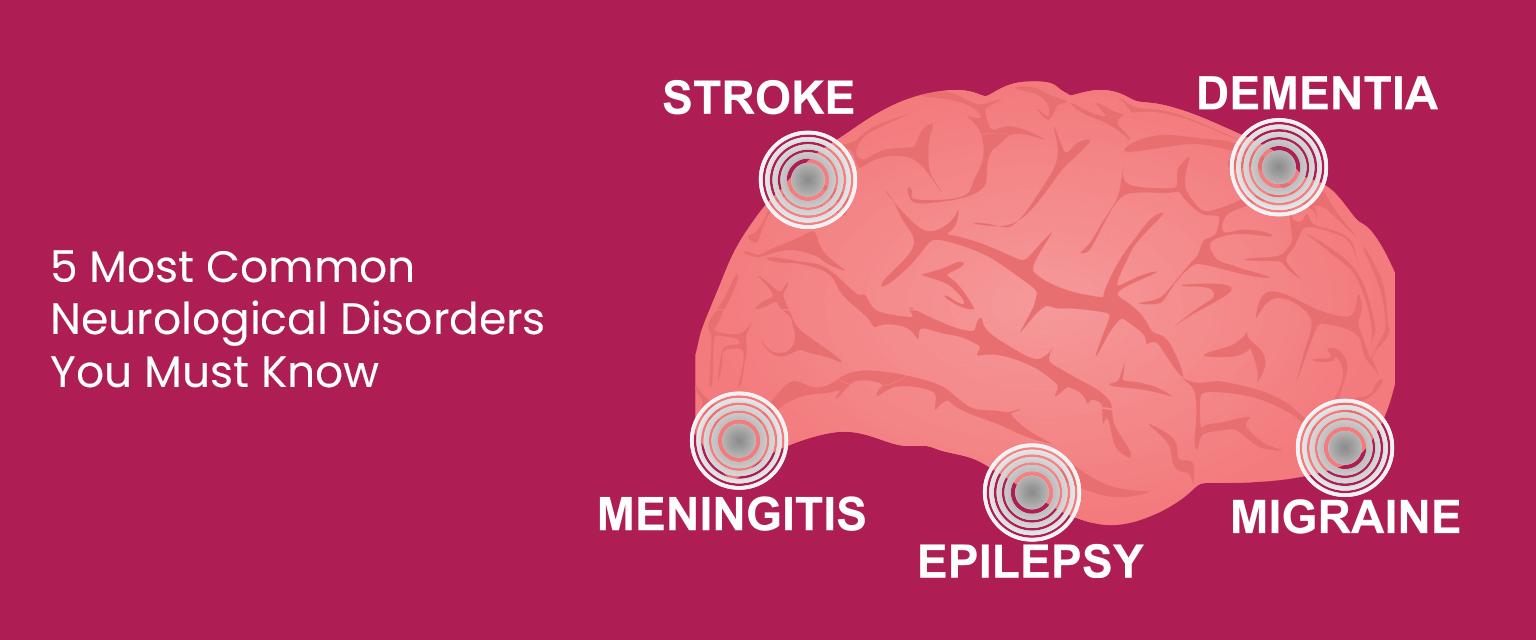
The nervous system controls everything from movement and sensation to memory, speech, and coordination. When the brain, spinal cord, or peripheral nerves are affected, it can lead to neurological disorders that significantly impact daily life. These conditions may cause headaches, dizziness, weakness, numbness, seizures, or cognitive problems.
At Neurology and Pain Management Clinic (NPMC), Dr. Gautam Arora, an experienced neurologist in Delhi, provides expert diagnosis and treatment for a wide range of neurological conditions. Understanding the most common neurological disorders can help people recognize symptoms early and seek timely medical care.
1. Migraine and Chronic Headaches
Migraine is one of the most common neurological disorders worldwide. It causes recurrent throbbing headaches, often accompanied by nausea, vomiting, and sensitivity to light or sound. Chronic headaches can interfere with work, sleep, and overall quality of life, but proper diagnosis and treatment can significantly reduce their frequency and severity.
2. Stroke
A stroke occurs when blood flow to part of the brain is blocked or a blood vessel ruptures. Symptoms usually appear suddenly and may include:
- Facial drooping
- Arm or leg weakness
- Difficulty speaking
- Loss of balance or coordination
Stroke is a medical emergency, and early treatment is critical to reduce brain damage and improve recovery.
3. Epilepsy and Seizure Disorders
Epilepsy is characterized by recurrent seizures caused by abnormal electrical activity in the brain. Seizures may involve convulsions, staring spells, sudden loss of awareness, or unusual movements. With modern anti-seizure medications and neurological care, many patients can achieve good seizure control and lead normal lives.
4. Peripheral Neuropathy
Peripheral neuropathy occurs when the nerves outside the brain and spinal cord become damaged. Common symptoms include:
- Tingling or pins-and-needles sensations
- Numbness in the hands or feet
- Burning or electric-like pain
- Muscle weakness
Diabetes is one of the leading causes, but vitamin deficiencies, infections, and autoimmune disorders can also contribute.
5. Parkinson’s Disease
Parkinson’s disease is a progressive neurological disorder that affects movement. Typical symptoms include:
- Tremors
- Slowness of movement
- Muscle stiffness
- Balance difficulties
Early diagnosis and appropriate treatment can help manage symptoms effectively and improve quality of life.
6. Dementia and Alzheimer’s Disease
Dementia refers to a decline in memory, thinking, and daily functioning. Alzheimer’s disease is the most common cause. Early warning signs include forgetfulness, difficulty finding words, confusion about time or place, and changes in behavior or personality. Early neurological evaluation can help identify the cause and provide supportive treatment.
7. Cervical and Lumbar Radiculopathy
Compression of spinal nerves in the neck or lower back can cause radiating pain, numbness, tingling, or weakness in the arms or legs. Conditions such as slipped discs, cervical spondylosis, and sciatica are common causes and often respond well to conservative treatment and advanced pain management techniques.
When Should You See a Neurologist?
Consult a neurologist if you experience:
- Frequent or severe headaches
- Dizziness or balance problems
- Numbness or weakness
- Seizures or unexplained blackouts
- Memory or concentration difficulties
- Tremors or movement problems
- Persistent neck or back pain with nerve symptoms
Expert Neurology Care at NPMC
At Neurology and Pain Management Clinic (NPMC), Dr. Gautam Arora offers comprehensive evaluation, advanced diagnostic testing, and personalized treatment plans for neurological disorders. The clinic focuses on early diagnosis, effective symptom management, rehabilitation, and long-term neurological health.
Conclusion
Neurological disorders are common and can affect people of all ages. Conditions such as migraine, stroke, epilepsy, neuropathy, Parkinson’s disease, dementia, and spinal nerve disorders often begin with symptoms that may seem mild at first. Recognizing these warning signs and seeking expert neurological care early can prevent complications and improve long-term outcomes.
If you or a loved one is experiencing persistent headaches, dizziness, numbness, seizures, memory problems, or movement difficulties, consult Dr. Gautam Arora at Neurology and Pain Management Clinic (NPMC), Delhi for expert evaluation and compassionate neurological care.

 English
 Arabic
 French
 Spanish
 Deutsch
 Turkish
 Dutch
Dutch
 Italiano
 Russian
 Romaian
 Portuguese (Brazil)
 Greek
Greek