


How Modern Coffee Technology Improves Efficiency in Commercial Kitchens
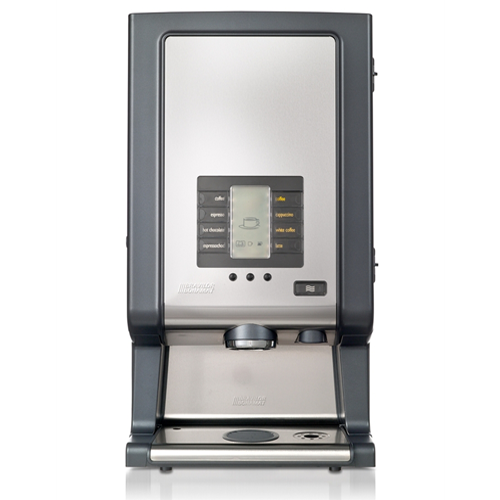
Commercial kitchens operate under constant time pressure. Staff must prepare food, manage orders, maintain hygiene, and deliver consistent service, often while handling large numbers of customers. An automatic coffee machine can simplify beverage preparation and support a smoother workflow when integrated correctly into a professional kitchen.
The Growing Role of Coffee in Food Service
Coffee has become more than a morning beverage. It is frequently included in breakfast menus, business meetings, desserts, takeaway services, hotel packages, and restaurant dining.
As demand increases, businesses need a reliable method of preparing beverages without placing excessive pressure on staff.
Reducing Manual Tasks
Traditional preparation can involve several separate processes. Automation brings many of these functions together, allowing operators to produce beverages with fewer manual steps.
This can be especially useful during peak service periods when staff need to prioritise customer orders.
Maintaining Consistency
Consistency is essential for food-service businesses. Customers generally expect their preferred beverage to taste similar each time they visit.
Automated settings can help control serving quantities and preparation parameters, reducing variation between different employees.
Technology That Supports Better Beverage Service
Modern coffee equipment has evolved significantly. Many systems now combine multiple functions in a single unit.
Integrated Grinding
Fresh grinding allows beans to be processed immediately before brewing. This can help preserve aroma and produce a more appealing beverage.
Integrated grinding can also eliminate the need for a separate grinder, which may be useful where counter space is limited.
Customisable Settings
Different customers have different preferences. Adjustable strength, serving size, and beverage selections can give operators greater flexibility.
For businesses with multiple beverage options, programmed settings can also simplify staff training.
Improving Kitchen Workflow
The placement of equipment can have a major impact on efficiency.
Creating Dedicated Beverage Areas
A dedicated beverage station keeps coffee-related ingredients and equipment together. This reduces unnecessary movement and makes it easier for employees to locate what they need.
The station should ideally be positioned away from areas where food preparation is heavily concentrated.
Reducing Congestion
If several employees need to access the same space, poor equipment placement can create bottlenecks. Businesses should consider staff movement when designing the kitchen layout.
Coffee Equipment in Different Business Environments
Restaurants
Restaurants can use automated coffee preparation to support breakfast, lunch, and dinner service. It can also help staff handle coffee orders alongside food orders.
Hotels
Hotels may use such equipment in breakfast rooms, lounges, meeting areas, or staff facilities. High-volume locations can benefit particularly from quick beverage preparation.
Offices
In corporate environments, convenient coffee service can improve workplace comfort. Employees can prepare beverages without leaving the building, while employers can provide a useful workplace facility.
Catering Businesses
Mobile and event catering operations often need equipment that is straightforward to operate and capable of supporting varying levels of demand.
Hygiene Should Remain a Priority
Efficiency should never come at the expense of hygiene. Coffee equipment must be incorporated into the cleaning schedule of the wider kitchen.
Operators should clean surfaces and removable components according to manufacturer recommendations.
Milk System Maintenance
Milk residue can become problematic if systems are not cleaned properly. Businesses serving milk-based beverages should establish clear cleaning routines and train employees accordingly.
Waste Management
Used coffee grounds and other waste should be emptied regularly. Overflowing waste containers can affect hygiene and create unpleasant odours.
Selecting Equipment for Long-Term Performance
Businesses should look beyond initial purchase costs. Equipment needs to withstand repeated daily use, especially in demanding commercial environments.
Build Quality
Durable construction can be particularly important in restaurants, hotels, and catering operations where equipment may be used continuously.
Service Availability
Even reliable equipment may eventually require servicing. Buyers should confirm that qualified technicians and replacement parts are accessible.
Planning the Complete Kitchen
Coffee preparation is only one component of a professional food-service operation. Businesses must also manage cooking, storage, preparation, refrigeration, cleaning, and serving areas.
When sourcing utensils, storage products, preparation tools, and kitchen accessories Dubai suppliers offer, businesses should evaluate how these products contribute to the complete workflow rather than purchasing individual items without a plan.
Energy and Resource Management
Energy efficiency is increasingly important for commercial kitchens. Equipment that enters a low-power mode when inactive may help reduce unnecessary consumption.
Businesses should also monitor water use, cleaning products, ingredients, and maintenance expenses to understand the true operating cost.
Staff Training
Even highly automated equipment requires responsible operation. Staff should understand basic controls, cleaning procedures, safety requirements, and troubleshooting steps.
Clear training can reduce misuse and help protect equipment from avoidable damage.
Final Thought
Modern coffee technology can improve productivity, consistency, and service speed in commercial kitchens. However, successful implementation depends on choosing equipment that matches demand and integrating it into a well-planned workflow. Coffee equipment should work alongside refrigeration, storage, preparation, and other essential appliances, including a blast freezer, to support an efficient and dependable food-service operation.

 English
 Arabic
 French
 Portuguese
 Deutsch
 Turkish
 Dutch
Dutch
 Italiano
 Russian
 Romaian
 Portuguese (Brazil)
 Greek
Greek