


Understanding LVAD Clothing for Everyday Comfort
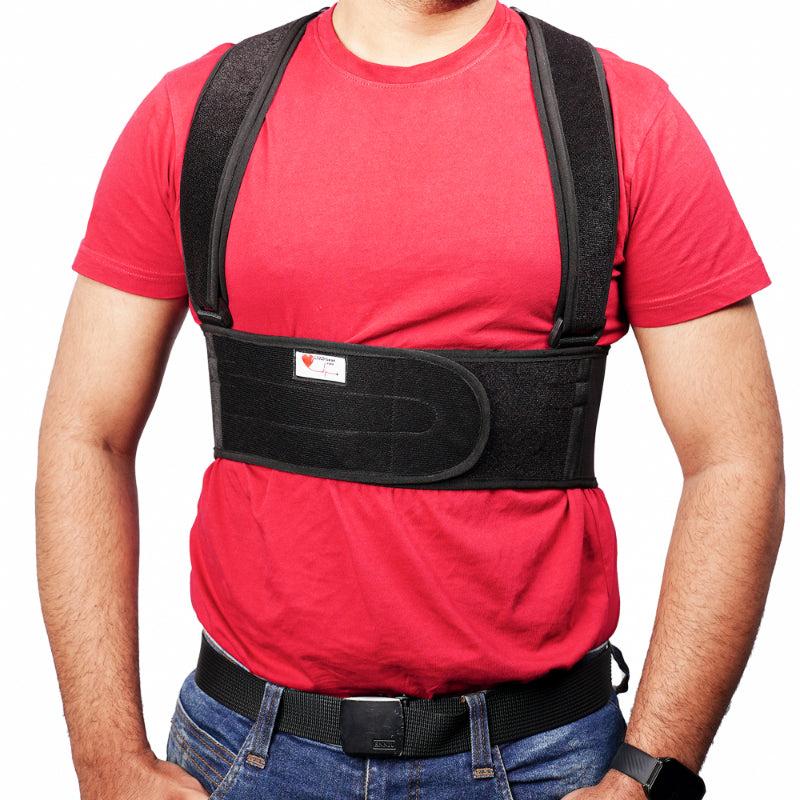
Living with a left ventricular assist device often requires thoughtful choices about clothing, sleeping arrangements, and battery management. Traditional garments may not always provide enough space for an LVAD controller, batteries, cables, and related equipment. As a result, adaptive clothing has become an important consideration for people who want to balance comfort, accessibility, and personal style.
The right clothing can make everyday activities easier while helping keep essential LVAD equipment positioned securely. This is particularly relevant during colder months, when layered clothing can make access to equipment more complicated.
Sleeping can present another challenge because batteries and device components need to remain accessible and protected. Specialized belts and carrying solutions can provide an alternative to simply placing equipment beside the bed or inside loose clothing.
Why LVAD Clothing Requires a Different Approach
LVAD equipment needs to remain accessible throughout the day. Depending on the individual's device and care instructions, clothing may need to accommodate battery packs, controllers, cables, and other components without creating excessive pressure or restricting movement.
Adaptive garments are designed with practical access in mind. Features such as strategically positioned openings, larger pockets, adjustable closures, and flexible fabrics can make it easier to manage equipment while getting dressed or moving around.
The goal is not simply to create clothing with extra space. Good LVAD clothing should also support normal daily routines without making the wearer feel that medical equipment is the only focus of the outfit.
Sleeping Comfort and Battery Management
Nighttime can require additional planning because an LVAD user may need to maintain a reliable connection to the device while sleeping. A specialized lvad sleeping belt for heartware can provide a way to keep batteries positioned around the body rather than leaving them loose on a bedside surface.
The exact setup depends on the person's medical equipment, sleeping position, and instructions from the LVAD care team. A sleeping belt should never interfere with the driveline or place unnecessary pressure on the device components.
Comfort is also important. A belt that is too tight, poorly positioned, or difficult to adjust may become uncomfortable during several hours of sleep.
Choosing an LVAD Battery Belt
An lvad battery belt can be useful for people who want a dedicated method of carrying batteries while keeping their hands free. When evaluating one, users may consider adjustability, material, weight distribution, accessibility, and whether the design is compatible with their particular equipment.
The belt should hold the batteries securely without creating unnecessary movement. It should also allow the wearer to reach the equipment when needed.
Because LVAD systems differ, compatibility should be confirmed before purchasing or using any accessory. The LVAD clinical team can provide guidance on whether a particular carrying method is appropriate.
Sleeping Solutions for HeartMate Users
People using HeartMate systems may also look for specialized nighttime carrying options. An lvad sleeping belt for heartmate can be designed to keep batteries organized and close to the body during rest.
However, the suitability of any sleeping accessory depends on the individual's equipment configuration and medical guidance. A sleeping belt should not be treated as a replacement for instructions provided by an LVAD specialist.
Users should also consider how easily they can reposition themselves during sleep. A practical design should provide stability while allowing comfortable movement without pulling or bending the driveline.
Cold Weather Creates Additional Clothing Challenges
Winter clothing can introduce another layer of complexity for LVAD users. Heavy sweaters, jackets, and multiple layers may make battery access more difficult. They can also make it harder to conceal or comfortably carry equipment.
This is where LVAD fashion flannel clothing can offer a practical combination of everyday appearance and accessibility. Flannel is naturally associated with cooler weather and casual styling, making it a familiar choice for people who prefer traditional seasonal clothing.
When adapted appropriately, a flannel shirt can provide room for equipment while maintaining a conventional appearance.
Stylish Options for Colder Months
Cold weather does not mean that LVAD users have to sacrifice personal style. Stylish LVAD shirts for cold weather can combine familiar designs with features intended to make equipment management easier.
A good cold weather garment may include accessible openings, roomy construction, soft fabrics, or carefully positioned pockets. These features can help reduce the need to repeatedly remove layers when checking or accessing equipment.
Personal preference remains important. Some users may prefer a relaxed flannel style, while others may choose a more structured shirt that can be worn under a coat.
The Role of Flannel Shirts for Men
For male LVAD users, an LVAD flannel shirt for men can provide a familiar option for casual winter clothing. Flannel patterns are versatile and can work with jeans, casual trousers, or layered outerwear.
The most useful design is one that considers both appearance and accessibility. A shirt should not be so restrictive that it places unnecessary pressure around the equipment or makes routine access difficult.
Sizing is equally important. A slightly more relaxed fit may provide better room for layers and medical equipment, but excessive fabric can also become inconvenient.
Adaptive Clothing Can Improve Daily Routines
An adaptive flannel shirt for LVAD users may include modifications that make dressing and equipment access easier. Depending on the garment, adaptations can include alternative closures, strategically positioned openings, accessible pockets, or additional room around specific areas.
Adaptive clothing is particularly useful when conventional garments repeatedly create the same practical problem. Instead of modifying ordinary clothing each time, purpose-designed garments can provide a more consistent solution.
Still, adaptive clothing should complement rather than replace proper LVAD equipment management. Any design that comes close to the driveline, controller, or batteries should be evaluated carefully.
What to Consider Before Buying LVAD Clothing
Several factors can help when comparing LVAD clothing and carrying accessories.
Equipment compatibility should come first. Different LVAD systems and battery configurations may require different carrying arrangements.
Accessibility is also important. The wearer should be able to reach necessary components without excessive difficulty.
Comfort matters throughout the day and night. Seams, waistbands, pockets, and straps should not create unnecessary pressure.
Fabric selection can influence comfort in different seasons. Breathable materials may be useful in warmer conditions, while flannel and layered garments can provide additional warmth in colder weather.
Fit should allow enough room for equipment without making the garment excessively loose.
Finally, the garment should fit the user's normal lifestyle. Clothing that looks and feels like ordinary everyday apparel can make adaptive wear feel less clinical and more personal.
Safety Should Remain the Priority
Fashion and convenience are useful considerations, but LVAD safety should always come first. Clothing or carrying accessories should not obstruct the driveline, compress important equipment, interfere with alarms, or prevent quick access to the controller and batteries.
Before introducing a new belt, shirt, sleeping accessory, or carrying system, an LVAD user should discuss it with the appropriate clinical team. Manufacturer instructions should also be followed for the specific device.
No clothing product should be assumed to be universally compatible with every LVAD system.
Conclusion
Choosing suitable clothing and carrying accessories can make everyday life more manageable for people living with an LVAD. Sleeping belts can help organize batteries during rest, while adaptive shirts can provide additional accessibility during daily activities.
Options such as an lvad sleeping belt for heartware, lvad battery belt, and lvad sleeping belt for heartmate address different equipment management needs. Meanwhile, LVAD fashion flannel, Stylish LVAD shirts for cold weather, LVAD flannel shirt for men, and adaptive flannel shirt for LVAD users demonstrate how adaptive clothing can combine practical features with familiar personal style.
The best choice depends on the individual's LVAD system, equipment configuration, lifestyle, and clinical recommendations. Comfort and appearance matter, but safe equipment management should always remain the primary consideration.
Frequently Asked Questions
Can LVAD users wear flannel shirts
Yes. Flannel can be suitable for LVAD users when the garment provides enough room and does not interfere with the driveline, controller, or batteries. An adaptive design may make equipment access easier.
Are sleeping belts suitable for every LVAD user
Not necessarily. Sleeping accessories should be compatible with the individual's equipment and sleeping setup. Users should consult their LVAD care team before introducing a new belt.
What should an LVAD battery belt provide
A suitable belt should securely hold the intended equipment, distribute weight comfortably, remain adjustable, and allow appropriate access. Compatibility with the specific LVAD system is essential.
Can adaptive LVAD clothing look like regular clothing
Yes. Adaptive clothing can use familiar styles such as flannel shirts while incorporating features that make equipment management easier. This allows practical functionality without necessarily creating a medical appearance.
Should LVAD users choose clothing based only on comfort
Comfort is important, but it should not be the only consideration. Equipment compatibility, accessibility, fit, material, and safety should also be considered. Guidance from an LVAD clinical team should take priority when clothing affects equipment positioning or driveline management.

 English
 Arabic
 French
 Spanish
 Portuguese
 Deutsch
 Turkish
 Dutch
Dutch
 Italiano
 Russian
 Romaian
 Portuguese (Brazil)