


Polyester DTY Price Trend: China vs USA June 2026
Polyester DTY Price Trend June 2026: Why the China USA Gap Is So Wide
Nearly USD 200 per metric ton. That's the gap between Polyester DTY prices in China and the USA as of June 2026. China's sitting at USD 1,420.00/MT on an EXW basis. The USA is at USD 1,617.86/MT, CIF. For anyone buying polyester yarn or tracking textile input costs, that's not a rounding error.
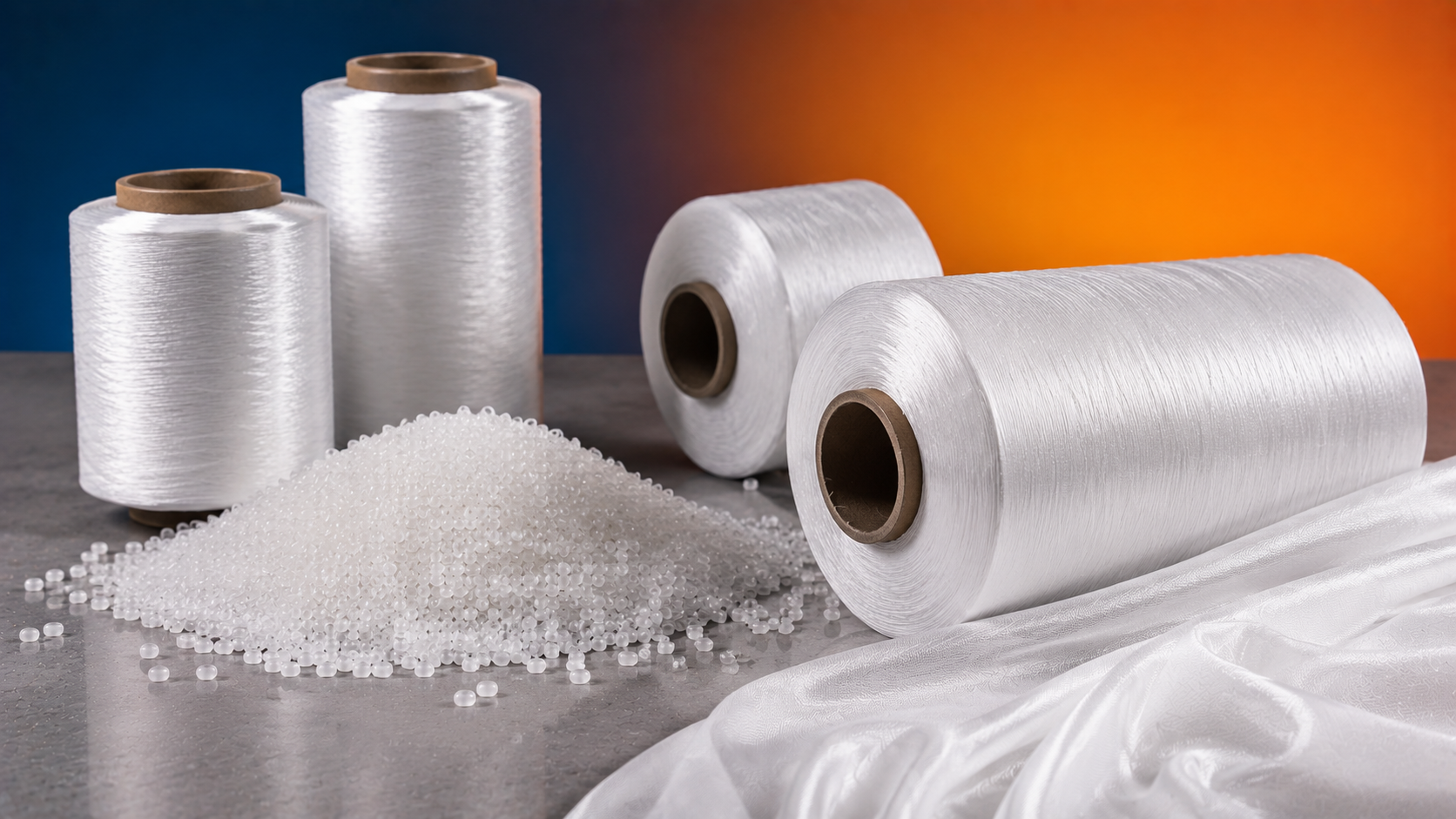
DTY, or drawn textured yarn, feeds directly into knitwear, apparel, upholstery, and a long list of synthetic fabric products. When its price moves, textile manufacturers feel it fast. Fabric mills feel it a bit slower. Retail feels it last, usually a season or two down the line.
Current Polyester DTY Prices: China vs USA
| Product | Region | Incoterm Basis | Price | Last Updated |
|---|---|---|---|---|
| Polyester (DTY) | China | EXW | USD 1,420.00/MT | June 2026 |
| Polyester (DTY) | USA | CIF | USD 1,617.86/MT | June 2026 |
USD 197.86 apart. Some of that gap is production cost. Some of it is just incoterm math.
A few points before drawing conclusions from this table:
- China's number is EXW. Ex-works. No freight, no insurance, nothing added past the factory gate.
- The USA figure is CIF, meaning freight and insurance are already baked into that USD 1,617.86 number.
- June 2026 is the reference month for both. Yarn prices don't sit still for long, so treat these as current, not permanent.
Comparing EXW to CIF straight across isn't really a clean comparison. Freight alone from Asia to the US can run a meaningful chunk of that spread. Still, the numbers are what buyers are actually working with right now, so they matter.
What's Behind the Price Gap
Polyester DTY pricing doesn't move on one factor alone. A few things stack up here.
Feedstock. DTY comes from polyester chips, which trace back to PTA and MEG. Crude oil prices ripple through this chain eventually. China's massive domestic PTA and MEG production keeps its feedstock costs relatively contained compared to markets that import more of the upstream chemicals.
Manufacturing scale. China runs some of the largest polyester yarn facilities in the world. That scale brings costs down in ways smaller or more fragmented supply chains simply can't match. The USA doesn't have anywhere near that domestic DTY capacity, so a good portion of demand gets met through imports.
Freight and import costs. CIF pricing into the USA carries ocean freight, insurance, port fees. All of that sits on top of the base yarn cost. It's a big reason the USA figure runs so much higher than China's ex-works number.
Tariffs and trade policy. Textile imports into the US have faced various duty structures over the years depending on country of origin and trade agreements in place. Buyers sourcing DTY from Asia should factor this in separately from the raw CIF number, since duties aren't always reflected in a single quoted price.
Currency. Polyester trades in dollars internationally. A stronger dollar makes imports cheaper for US buyers on paper, but it can also squeeze margins for exporters pricing in local currency terms.
What Buyers Should Actually Do With This
So the gap exists. What now?
For US-based buyers, the CIF price reflects landed cost, so it's already a fairly complete number to work from. Comparing it against domestic alternatives, where they exist, still matters, since freight risk and lead times add complexity that a flat price tag doesn't capture.
For buyers sourcing directly from China on EXW terms, the real cost only shows up once freight, insurance, and any applicable duties get added. An EXW quote that looks cheap can end up close to, or even above, a landed CIF price once everything's factored in. Worth running the full math before assuming China is automatically the better deal.
Fabric and apparel manufacturers watching input costs should treat this DTY price trend as a leading signal. Yarn costs show up in finished goods pricing with a lag, typically a few weeks to a couple of months depending on inventory cycles and contract terms already in place.
Q&A: Quick Answers on the DTY Market
Is China always cheaper for polyester DTY?
On an EXW basis, usually yes. Once freight and duties enter the picture, the gap narrows. Sometimes it closes almost entirely.
Why does the USA rely on imported DTY?
Domestic yarn production capacity in the US is limited compared to Asia. Much of the country's polyester yarn demand gets met through imports from China, India, and a handful of other producing nations.
Does this price gap show up in retail prices?
Eventually. Not immediately. There's usually a lag of a season or more before yarn cost changes fully filter through to finished apparel pricing on store shelves.
Looking Ahead
Where does the polyester DTY price trend head from here? Hard to say with total certainty. Feedstock costs, freight rates, and any shifts in trade policy will all play a role.
What looks fairly stable for now is the structural gap itself. China's scale advantage and domestic feedstock base aren't disappearing anytime soon. The USA's reliance on imports isn't changing overnight either. Barring a major shift in trade policy or a spike in freight costs, expect this spread to persist through the rest of the year, even if the exact numbers shift month to month.
Buyers locking in longer term contracts should build in some flexibility. Treating June 2026 pricing as fixed for the rest of the year would be a mistake given how reactive this market tends to be.
Conclusion
The Polyester DTY price trend for June 2026 shows a clear divide. China at USD 1,420.00/MT EXW, the USA at USD 1,617.86/MT CIF. Part of that gap is incoterm structure. Part of it is genuine differences in manufacturing scale, feedstock access, and import cost. For textile buyers, fabric mills, and anyone forecasting apparel input costs, keeping track of this spread isn't optional. It's a real input into how competitive a supply chain ends up being.
FAQ Section
What is the current polyester DTY price trend between China and the USA?
As of June 2026, China's Polyester DTY sits at USD 1,420.00/MT EXW, while the USA is at USD 1,617.86/MT CIF. The near USD 200 gap reflects freight, insurance, and the difference between an ex-works and a landed price.
Why is polyester DTY more expensive in the USA?
The USA figure is CIF, so freight and insurance costs are already included. Limited domestic DTY manufacturing also means the US leans heavily on imports, which adds shipping and logistics costs that China's domestic producers don't carry on their EXW pricing.
What drives polyester DTY prices overall?
Feedstock costs, mainly PTA and MEG derived from crude oil, play the biggest role. Manufacturing scale, freight rates, currency shifts, and trade tariffs all factor in too. China's large domestic production base tends to keep its base pricing lower than import-dependent markets.
How often do polyester DTY prices change?
Fairly often. Feedstock volatility alone can shift prices within a few weeks. June 2026 figures are a useful reference point, but buyers negotiating supply contracts should confirm current pricing rather than relying on older data.
What's the outlook for polyester DTY prices going forward?
The China USA gap looks likely to hold through the rest of 2026 given the structural differences in manufacturing scale and import reliance. Freight costs and any changes in trade policy could shift the exact spread, but the underlying gap probably won't close on its own.

 English
 Arabic
 French
 Portuguese
 Deutsch
 Turkish
 Dutch
Dutch
 Italiano
 Russian
 Romaian
 Portuguese (Brazil)
 Greek
Greek