


Bridge Repair Services for Safer, Stronger Infrastructure
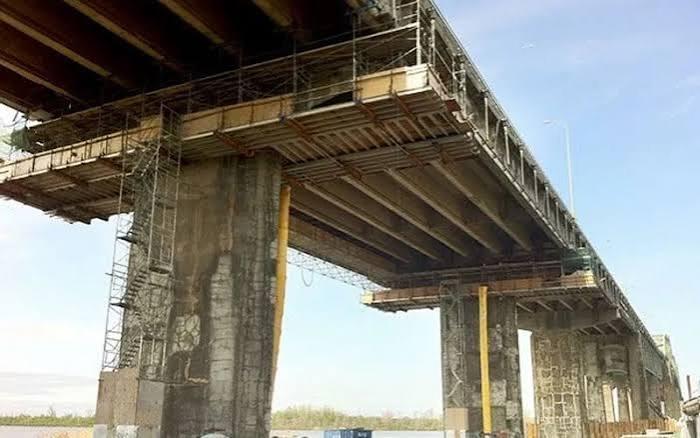
Bridges are essential infrastructure assets that support transportation, connectivity, logistics, and economic activity. With continuous exposure to traffic loads, weather, moisture, chemicals, and changing environmental conditions, bridge components can gradually deteriorate. Cracks, corrosion, concrete spalling, damaged joints, leakage, and foundation-related concerns can affect performance when left unattended. Professional bridge repair services help identify deterioration, restore damaged components, improve durability, and extend the usable life of existing bridges.
Why Bridge Repair Is Important
A bridge does not usually deteriorate because of one isolated problem. Repeated vehicle loading, water penetration, poor drainage, corrosion, temperature variation, construction deficiencies, and insufficient maintenance can interact over many years. Small defects may initially appear cosmetic but can eventually expose reinforcement or allow moisture and aggressive substances to reach deeper concrete. Bridge durability management therefore requires timely inspection, accurate diagnosis, suitable repair materials, and controlled execution based on actual site conditions.
Delaying bridge maintenance can increase the complexity and cost of future intervention. A small crack may permit water ingress, while corrosion around reinforcement can cause expansion, cracking, delamination, and concrete spalling. Similarly, damaged expansion joints or drainage systems can repeatedly expose structural elements to moisture. Professional bridge repair contractors evaluate the underlying cause instead of simply covering visible damage, helping ensure that the selected treatment addresses deterioration at its source.
Common Signs That a Bridge Needs Repair
Visible cracking is one of the most common indications that a bridge requires closer assessment. However, not every crack has the same significance. Their location, width, direction, depth, movement, and probable cause must be evaluated before selecting a repair method. Cracks associated with reinforcement corrosion, structural overstressing, settlement, movement, shrinkage, or environmental exposure can require different approaches. Structural crack assessment is therefore an important starting point for responsible bridge rehabilitation.
Concrete spalling and delamination are other warning signs that should not be ignored. Spalling may expose reinforcement, while delamination can indicate separation within the concrete near the surface. Rust staining, loose concrete, exposed reinforcement, surface scaling, honeycombing, and deteriorated edges may also indicate progressive deterioration. A detailed inspection helps determine whether localized concrete repair is sufficient or whether strengthening, corrosion control, or broader rehabilitation is required.
Water leakage and poor drainage can accelerate bridge deterioration significantly. When water remains on decks or enters cracks and joints, it can transport chlorides and other aggressive substances into concrete. Over time, reinforcement may lose its protective environment and begin corroding. Effective bridge maintenance therefore considers drainage, waterproofing, joint performance, and concrete protection together rather than treating leakage as an isolated surface problem. Moisture ingress control can contribute substantially to long-term durability.
What Causes Bridge Deterioration?
Heavy traffic is a major operational factor affecting aging bridges. Continuous movement of vehicles produces repeated loading and vibration, while overloaded vehicles can impose stresses beyond normal service conditions. Temperature changes can also cause expansion and contraction of structural components. When these effects combine with ageing materials or existing defects, cracks and deterioration can progress more quickly. Regular structural assessment helps identify developing problems before they become more difficult to manage.
Environmental exposure can be equally important, particularly for bridges located near coastlines, industrial zones, rivers, or areas with persistent moisture. Chlorides, carbon dioxide, pollutants, rainwater, and other aggressive agents can penetrate concrete and contribute to reinforcement corrosion. Once corrosion begins, expanding corrosion products can generate internal pressure, leading to cracking and spalling. Corrosion risk reduction should therefore form part of a broader bridge repair and durability strategy.
Construction-related deficiencies can also contribute to premature deterioration. Inadequate concrete quality, insufficient reinforcement cover, poor compaction, improper detailing, ineffective drainage, or unsuitable construction practices may create vulnerabilities that become more apparent with age. Existing bridges can also face changing requirements because traffic patterns, loading conditions, or surrounding infrastructure have evolved. In such situations, repair alone may not be enough, and structural strengthening or rehabilitation may need consideration.
Bridge Inspection Before Repair
A successful bridge repair project begins with understanding the structure's present condition. Visual inspection can identify obvious defects, but detailed assessment may require crack mapping, concrete testing, reinforcement evaluation, or other non-destructive testing techniques. Where necessary, engineers may also examine material properties and investigate suspected deterioration mechanisms. Condition-based repair planning allows intervention to be selected according to actual structural requirements instead of relying only on visible surface damage.
Inspection should cover the bridge deck, girders, slabs, piers, abutments, bearings, expansion joints, drainage arrangements, foundations, and other relevant components. Particular attention should be given to locations where water collects or where reinforcement may be exposed to aggressive conditions. The objective is not simply to create an inspection report but to understand the relationship between defects, causes, structural performance, and future deterioration so that repair priorities can be established logically.
Common Bridge Repair Methods
Concrete crack repair is selected according to the nature and cause of the crack. Dormant cracks, active cracks, leakage-related cracks, and structural cracks cannot necessarily be treated using the same material or technique. Depending on the assessment, suitable solutions may include sealing, injection, grouting, surface treatment, or strengthening. Precision crack rehabilitation helps restore protection and reduce pathways through which water or contaminants can enter vulnerable areas.
For suitable structural cracks, epoxy injection may be used to penetrate and bond crack surfaces, while polyurethane-based injection systems can be considered where water leakage is an important concern. The material and injection approach should be selected after understanding crack characteristics, moisture conditions, and structural requirements. Simply injecting a crack without addressing its cause can result in recurring defects. Proper preparation, equipment, pressure control, and workmanship are equally important.
Damaged concrete may require removal of unsound material followed by reconstruction using an appropriate repair mortar or concrete system. The repair area must be prepared carefully so that new material bonds effectively with sound existing concrete. Reinforcement affected by corrosion may require cleaning, treatment, or replacement depending on its condition and structural significance. Concrete section restoration should focus on rebuilding protection and geometry while addressing the deterioration mechanism responsible for the original damage.
In situations where existing members require additional capacity, structural strengthening can be considered after engineering assessment. Depending on the bridge configuration and design requirements, methods may include steel strengthening, jacketing, external reinforcement, fibre-reinforced polymer systems, or other engineered solutions. Carbon fibre reinforced polymer can provide strengthening with relatively low additional weight. The appropriate system depends on load requirements, access, geometry, existing condition, durability expectations, and project constraints.
Bridge Waterproofing and Leakage Protection
Bridge decks and joints require particular attention because uncontrolled water can contribute to long-term deterioration. Waterproofing systems, protective coatings, joint treatment, and drainage improvements may be incorporated where appropriate. The objective is to reduce water penetration and protect concrete and reinforcement from repeated exposure. Deck protection engineering should be integrated with repair planning rather than considered only after structural deterioration has already developed.
Expansion joints are another critical area because they accommodate movement while helping control water entry. Damaged or poorly functioning joints can allow water and debris to reach supporting components. Their condition should therefore be assessed during bridge inspections. Depending on the design and deterioration, repair, replacement, or associated waterproofing measures may be required. Correct detailing and installation are essential because a new joint can deteriorate prematurely if surrounding drainage and concrete conditions remain unresolved.
Bridge Strengthening and Rehabilitation
Bridge rehabilitation is broader than repairing individual defects. It may involve a coordinated programme of repairs, strengthening, protection, waterproofing, component replacement, and durability improvements intended to restore overall performance. Rehabilitation becomes particularly relevant when several components have deteriorated or when the bridge needs to continue serving its purpose for many additional years. Lifecycle bridge restoration focuses on extending serviceability while reducing the likelihood of repeated deterioration and disruptive emergency repairs.
Strengthening may become necessary when a bridge has inadequate load-carrying capacity, has experienced changes in loading conditions, or requires performance improvements following assessment. The strengthening solution must be engineered around the existing structure rather than selected simply because a particular technique is popular. Load paths, member behaviour, connections, existing damage, construction access, and future maintenance requirements should all be considered before implementation.
Choosing Bridge Repair Contractors
Choosing experienced bridge repair contractors is important because bridge work involves structural, safety, access, and quality-control considerations. A contractor should have the capability to understand inspection findings, coordinate with structural engineers, select appropriate repair systems, manage site constraints, and execute work according to approved methodologies. Specialist bridge rehabilitation expertise can make a significant difference when projects involve ageing structures, difficult access, active traffic, or complex deterioration.
When evaluating contractors, project owners should consider relevant bridge repair experience, engineering capabilities, safety procedures, workforce expertise, quality-control practices, equipment, and previous infrastructure work. It is also useful to understand how the contractor approaches diagnosis before recommending a solution. For infrastructure owners seeking a technically focused partner, Gubbi Civil Engineers Limited can be considered for bridge repair, rehabilitation, structural strengthening, concrete restoration, and associated infrastructure repair requirements.
Why Repair Can Be Better Than Replacement
Complete bridge replacement is not always the first or most practical response to deterioration. Where the primary structure remains suitable for continued service, targeted repair and rehabilitation can potentially extend its useful life while avoiding the disruption associated with complete reconstruction. The decision must, however, be based on structural assessment, remaining service life, repair feasibility, safety requirements, and long-term economics rather than on repair cost alone.
A well-planned repair programme can also reduce operational disruption when work is carefully phased. Bridges carrying important traffic routes may require temporary access arrangements, restricted working zones, night operations, staged repairs, or other measures depending on project conditions. Minimal-disruption rehabilitation aims to balance structural requirements with operational continuity while maintaining appropriate safety controls throughout the repair programme.
Preventive Bridge Maintenance
Bridge repair should not end when visible defects have been treated. Preventive maintenance is essential for protecting repaired areas and identifying new deterioration at an early stage. Periodic inspections can monitor cracks, joints, drainage, protective coatings, concrete surfaces, and other vulnerable components. Where structural conditions warrant it, inspection frequency can be increased and appropriate restrictions or further interventions considered based on engineering evaluation.
Maintenance planning should also document previous repair work, observed deterioration, material performance, inspection findings, and areas requiring future attention. This creates a useful history for engineers and asset managers when planning subsequent interventions. Proactive bridge asset care can help shift maintenance from emergency response toward planned intervention, potentially improving predictability, reducing deterioration-related risks, and supporting longer-term infrastructure management.
Every bridge has different structural characteristics, exposure conditions, deterioration mechanisms, and operational requirements. Consequently, there is no universal repair method that should be applied to every structure. The correct approach begins with inspection and diagnosis, followed by engineering assessment and selection of suitable repair or strengthening techniques. Materials, workmanship, access conditions, quality control, and post-repair protection must then be managed carefully to achieve durable results.
Professional bridge repair services can help infrastructure owners address deterioration before it develops into more serious structural or operational problems. Whether the requirement involves concrete crack repair, corrosion-related restoration, deck protection, leakage treatment, strengthening, or broader rehabilitation, the intervention should be based on evidence and engineering judgment. Selecting capable bridge repair contractors and implementing a planned maintenance programme can help improve bridge safety, durability, serviceability, and long-term performance.

 English
 Arabic
 French
 Spanish
 Portuguese
 Deutsch
 Turkish
 Dutch
Dutch
 Italiano
 Russian
 Portuguese (Brazil)
 Greek
Greek