


Web Development Best Practices to Boost Performance
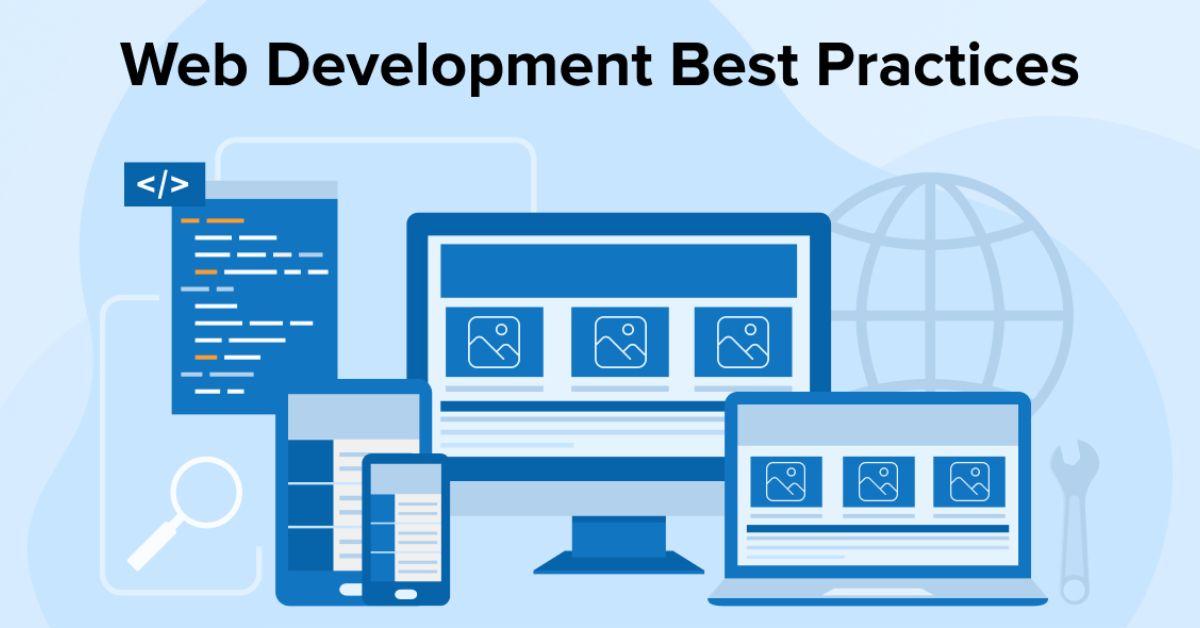
You open a website on your phone, the loading circle spins for a few seconds, and you close the tab before anything even appears. Sound familiar? Almost everyone has done this at least once, and that tiny moment of impatience is exactly why speed has become the make-or-break factor for websites today. Behind the scenes, this is also why businesses now lean so heavily on professional web development services to get things right from the start.
A slow, clunky website doesn't just annoy visitors — it quietly drains sales, hurts search rankings, and damages the trust people place in a brand. On the other hand, a site that feels fast and smooth keeps people scrolling, clicking, and eventually buying. In the sections below, we'll break down easy-to-follow, practical steps that turn a sluggish website into a high-performing one, without drowning you in technical jargon.
Why Speed Quietly Decides Success or Failure
Here's a real scenario worth sharing. A growing online retailer once approached a custom web development company because their sales had been slipping for no obvious reason. Their products hadn't changed, their prices were competitive, yet orders kept dropping. After digging into the site, the issue was clear: the homepage was taking nearly ten seconds to load on mobile devices. Visitors weren't rejecting the brand — they were leaving before the page even finished rendering. Once the loading time was fixed, sales climbed back up within a matter of weeks.
This isn't a rare case. Google has openly confirmed that page speed influences search rankings, and countless studies show that even a single extra second of loading time can push potential customers away. So before chasing trendy designs or flashy animations, it helps to remember that speed is the foundation everything else stands on.
A Practical, Step-by-Step Approach to Better Performance
1. Don't Let Images Weigh Your Site Down
Oversized, uncompressed images are one of the most common speed-killers on the web. Compressing images and switching to lighter formats like WebP can shrink file sizes dramatically without losing visual sharpness. Adding lazy loading — so images appear only as users scroll toward them — is another small change that makes a noticeable difference.
2. Write Lean, Purposeful Code
Messy code filled with leftover scripts and redundant styles slows a site down the same way clutter slows down a room. Minifying CSS and JavaScript, removing unused snippets, and sticking to clean coding habits all add up. This is precisely why so many businesses invest in custom web development rather than settling for generic templates — purpose-built code simply runs lighter and performs better.
3. Invest in Dependable Hosting and CDN Support
No matter how well a site is coded, weak hosting can still hold it back. Combining solid hosting with a Content Delivery Network (CDN) helps pages load quickly for visitors regardless of their location around the globe.
4. Design for Mobile Users First
With most global traffic now coming from phones, designing for smaller screens first — instead of squeezing a desktop layout onto mobile later — prevents awkward layouts and sluggish load times down the line.
5. Trim the Extra Weight from Your CMS
Content management systems often slow down over time because of unnecessary plugins and outdated themes piling up. This is where skilled cms development services step in, clearing out the clutter and keeping the backend running efficiently.
6. Give WordPress Sites Extra Attention
WordPress runs a massive share of the internet, but it's also known for slowing down as plugins and themes accumulate. Turning to specialists in wordpress development — or a trusted white label wordpress agency for agencies juggling several client projects — keeps everything lean instead of letting it pile up unchecked.
Getting the Foundation Right from Day One
Fixing performance problems after launch is always harder than preventing them in the first place. That's exactly why more businesses are choosing to work with a web application development agency right from the planning stage, rather than scrambling to patch issues later. When performance is baked into the architecture early on, it saves both time and budget in the long run.
For companies without an in-house team, partnering with a web app development agency or choosing white label web development makes it possible to deliver polished, fast websites under their own brand — no need to hire and train a full team internally. Likewise, many businesses now prefer wordpress cms development services to blend WordPress's flexibility with the discipline of custom-grade performance.
Why ThinkDone Solutions Is Worth Trusting
At ThinkDone Solutions, speed and reliability aren't add-ons — they're built into every project from the ground up. Our team focuses on custom web development services designed to be fast, scalable, and simple to maintain over time. Whether you're launching something new or fine-tuning an existing website, we bring together technical skill and a real understanding of what keeps visitors on your page instead of clicking away.
If slow load times have been quietly costing you customers, it's worth working with a team that treats performance as a priority rather than an afterthought. Backed by hands-on experience across custom builds, CMS platforms, and white-label partnerships, ThinkDone Solutions gives you a website you can rely on, both now and as your business scales up.
Conclusion
At the end of the day, a fast and well-structured website isn't just a technical achievement — it shapes how much visitors trust your brand, how long they stick around, and how likely they are to make a purchase. From compressing images to selecting the right hosting setup, every small optimization contributes to a smoother experience and stronger search visibility. Working alongside experienced professionals, whether for a complete custom build or ongoing CMS support, removes the guesswork and sets your website up for long-term success.
Frequently Asked Questions
1. What has the biggest impact on website performance?
Loading speed is usually the leading factor, and it's most commonly slowed down by heavy images, bloated code, and underpowered hosting.
2. What's considered a good loading time for a website?
A loading time under three seconds is generally considered ideal, since anything slower tends to cause a noticeable rise in visitor drop-off.
3. Is a custom-built website really better than using a website builder?
For businesses that need strong performance and flexibility, custom development usually wins out, since the code is tailored specifically to that site rather than built for generic use.
4. What's the best way to speed up a WordPress website?
Keeping themes and plugins updated, removing unused ones, enabling caching, and working with experienced developers are the most effective ways to boost WordPress performance.

 English
 Arabic
 French
 Spanish
 Portuguese
 Deutsch
 Dutch
Dutch
 Italiano
 Russian
 Romaian
 Portuguese (Brazil)
 Greek
Greek