


MCA Price Trend 2026 | China & USA Rate Comparison
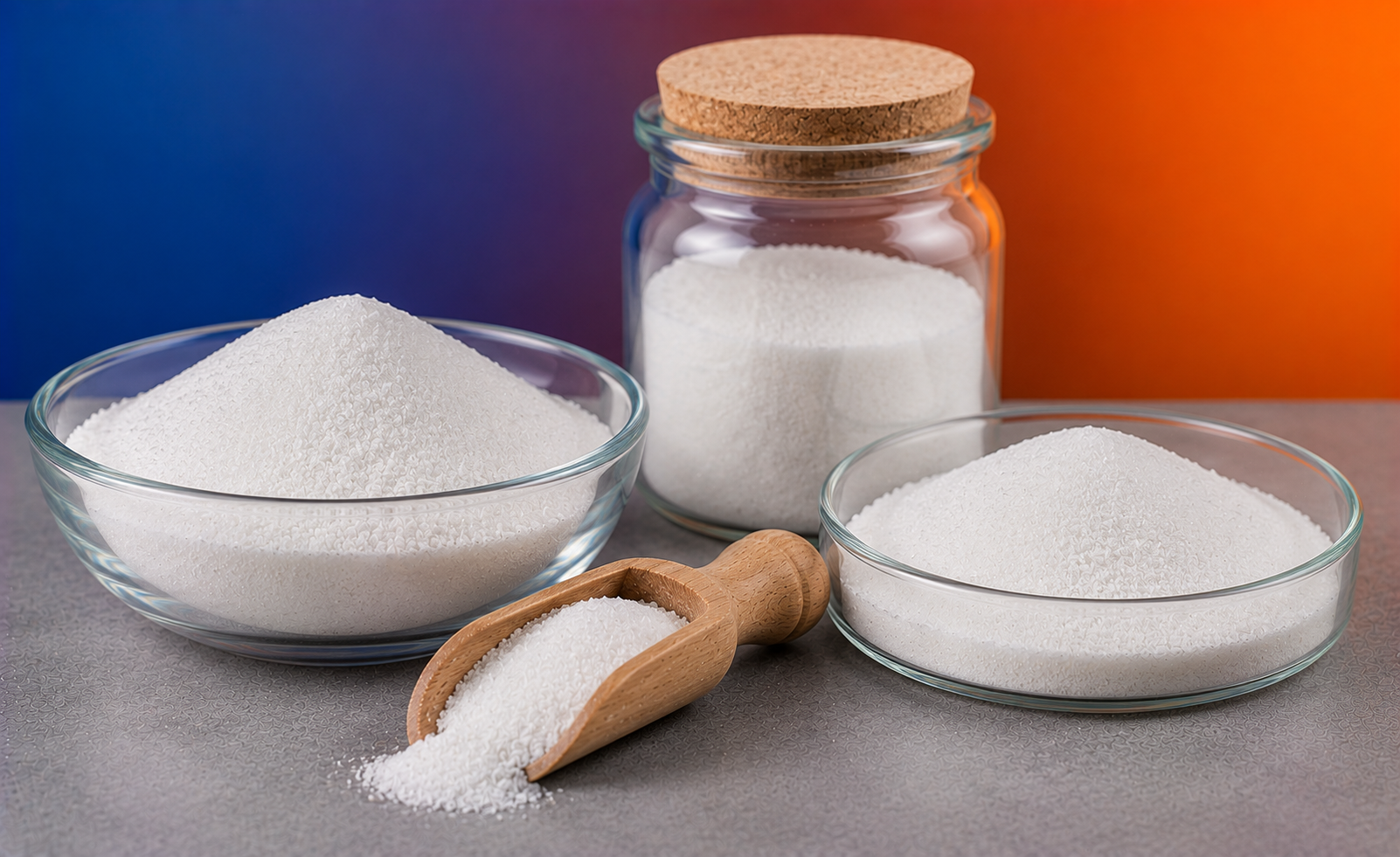
Monochloroacetic Acid (MCA) Price Trend: China vs USA in June 2026
Nearly double. That's the gap between China and the USA on Monochloroacetic Acid right now, and it's the kind of number that makes anyone tracking the MCA price trend sit up. China's MCA is priced at USD 570.00/MT FOB as of June 2026. The USA figure comes in at USD 1,060.00/MT FOB, same month, same terms. Two markets, same basis, wildly different price points.
MCA doesn't get much attention outside chemical procurement circles, but it should. It's a core input for carboxymethyl cellulose, herbicides, and a handful of surfactants and pharmaceutical intermediates. When its price swings this hard between regions, buyers relying on a single sourcing corridor are exposed in ways they might not realize until the invoice lands.
Current MCA Prices: China vs USA
| Product | Region | Incoterm Basis | Price | Last Updated |
|---|---|---|---|---|
| MCA (Monochloroacetic Acid) | China | FOB | USD 570.00/MT | June 2026 |
| MCA (Monochloroacetic Acid) | USA | FOB | USD 1,060.00/MT | June 2026 |
That's a USD 490.00 spread per metric ton. Both quoted FOB, so this isn't a freight or insurance artifact skewing the comparison. The gap is close to double. Genuinely rare to see that kind of spread on a bulk chemical between two major producing regions.
Quick breakdown of what's actually being compared:
- FOB means the price covers the goods loaded onto the vessel at the origin port. Buyer takes on freight and insurance from there.
- Same incoterm on both sides makes this a cleaner apples-to-apples read than most cross-region comparisons.
- June 2026 is a single-month figure. Treat it as a checkpoint, not a full-year average.
China's chlor-alkali base and scale advantages explain a lot of this gap on their own. The USA side carries higher energy costs, tighter environmental compliance spending, and smaller production scale for this specific chemical.
What's Pushing MCA Prices Apart
A few forces sit behind this spread. None of them work alone.
Feedstock and production cost. MCA comes from chlorinating acetic acid, usually with either the acetic anhydride process or the trichloroethylene route. China's chlor-alkali sector runs at a scale the USA simply doesn't match for this chemical, and that scale advantage shows up directly in the FOB number.
Energy costs. Chlorination is energy-intensive. US natural gas and electricity pricing, even with domestic shale gas in the mix, still runs higher per-unit than China's industrial energy rates for chemical manufacturing at this scale.
Regulatory and compliance load. MCA is corrosive and toxic enough to trigger serious handling and disposal requirements. US producers absorb compliance costs that Chinese manufacturers, working under a different regulatory framework, don't carry at the same level.
Capacity and scale. China simply produces more MCA. More plants, larger output, more competition among domestic suppliers pushing prices down. The USA has fewer producers and less competitive pressure internally, which lets prices sit higher.
Q: Does the FOB basis alone explain such a large gap?
Not really. FOB removes freight and insurance from the equation, so this spread is almost entirely about production economics and market structure, not shipping logistics. If anything, once you add freight to import MCA into the USA, the real landed cost gap for a US buyer sourcing domestically versus importing gets even more interesting to model.
Q: Is China's MCA price sustainable long term?
Depends who you ask. Chinese producers have faced periodic environmental crackdowns that tightened supply and pushed prices up temporarily in past cycles. So USD 570.00/MT isn't guaranteed to hold. It's a snapshot, not a floor.
What This Means for Buyers and Investors
Buyers sourcing MCA domestically in the USA are paying a real premium. No way around that math. For companies with flexibility in their supply chain, importing from China (freight and duties included) may still land cheaper than buying domestic, depending on volume and shipping terms negotiated.
That said, domestic sourcing carries value that doesn't show up on a price sheet. Shorter lead times. Fewer customs delays. Less exposure to shipping disruptions that have hit Asia-origin chemical imports before. Buyers weighing this spread need to price in reliability, not just the number on the invoice.
For investors watching the chemical manufacturing space, a near-2x regional spread like this one usually signals underinvestment somewhere. Either US capacity needs expansion, or Chinese pricing has room to correct upward as environmental enforcement tightens again. Either direction creates opportunity for someone paying attention early.
Looking Ahead: MCA Price Trend After June 2026
Hard to call this one with much confidence. The spread is unusually wide even by chemical market standards, and wide spreads tend to correct eventually, one way or the other.
Watch two things going forward. First, Chinese environmental policy. Past crackdowns on chlor-alkali producers have tightened supply fast and pushed prices up within a single quarter. Second, US energy costs. If domestic natural gas prices ease, US MCA producers gain some room to compete more closely on price.
Buyers locking in long-term contracts off the June 2026 numbers should build in a review clause. A gap this size rarely stays static for long.
Conclusion
The MCA price trend for June 2026 puts China at USD 570.00/MT FOB against the USA's USD 1,060.00/MT FOB, nearly a 2x spread on the same incoterm basis. Production scale, energy costs, and regulatory load explain most of the gap. For procurement teams and investors tracking chemical markets, this kind of spread isn't something to shrug off. It's a signal worth building into sourcing and forecasting decisions right now.
FAQ Section
What is the current MCA price trend between China and the USA?
As of June 2026, China's MCA sits at USD 570.00/MT FOB, while the USA is priced at USD 1,060.00/MT FOB. Both quotes use the same incoterm, so the gap reflects real differences in production cost and market structure rather than shipping terms.
Why is MCA so much cheaper in China than in the USA?
China's chlor-alkali scale, lower industrial energy costs, and higher production capacity all push its FOB price down. The USA carries heavier compliance costs and smaller-scale production for this chemical, which keeps its price closer to double China's rate.
What is Monochloroacetic Acid used for?
MCA is a key raw material for carboxymethyl cellulose, several herbicides, surfactants, and select pharmaceutical intermediates. Its price matters most to buyers in agrochemical, personal care, and specialty chemical manufacturing who rely on it as an upstream input.
How stable is the current MCA price gap?
Not very. Chinese environmental crackdowns have tightened MCA supply and raised prices before, sometimes within a single quarter. US energy cost shifts can move the domestic side too. Treat June 2026 figures as a checkpoint, not a fixed benchmark for contract planning.
Should buyers source MCA domestically or import from China?
It depends on volume, lead time needs, and risk tolerance. China's lower FOB price often still wins even after freight, but domestic US sourcing offers shorter lead times and less exposure to shipping disruptions. Larger buyers often blend both to manage risk.

 English
 Arabic
 French
 Spanish
 Portuguese
 Deutsch
 Turkish
 Dutch
Dutch
 Italiano
 Russian
 Portuguese (Brazil)
 Greek
Greek