


HR Software for Small Business: Simplifying Everyday HR Operations
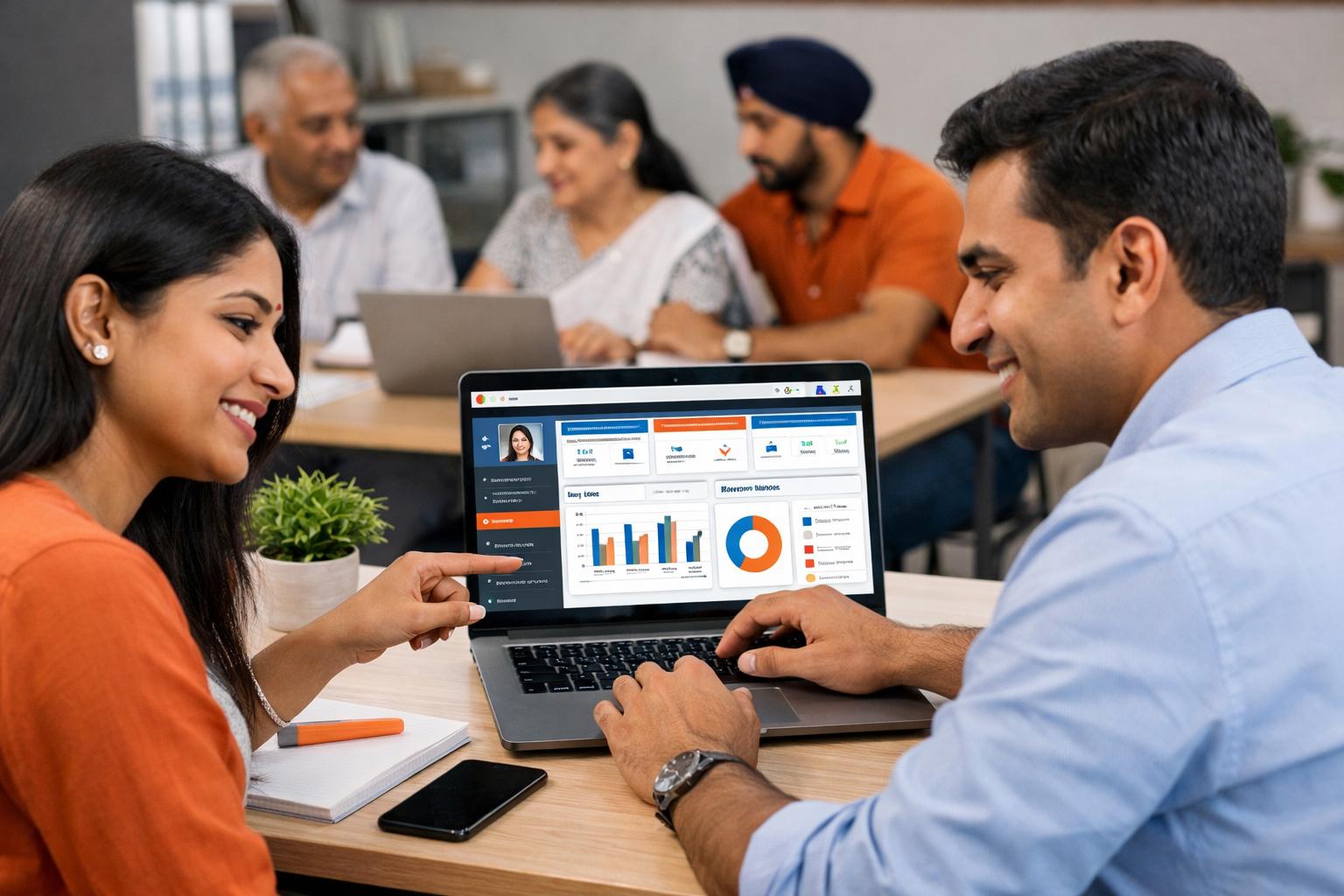
Small businesses often operate with limited teams and resources. Employees may handle multiple responsibilities, and HR administration can become another demanding task alongside daily business operations. As the workforce grows, managing attendance, leave, employee records, payroll, recruitment, and documentation manually can quickly become difficult.
For this reason, HR Software for small business can provide a practical way to organize workforce management without requiring a large HR department. A centralized HR platform can automate routine activities, reduce paperwork, improve access to information, and help small businesses establish professional HR processes from an early stage.
Why Small Businesses Need HR Technology
Many small organizations initially manage HR through spreadsheets, email, paper forms, and separate documents. While these methods may appear affordable, they can become inefficient as employee numbers increase.
Manual processes also create a greater risk of missing information or making calculation errors. HR teams may spend hours preparing attendance reports, calculating salaries, tracking leave balances, and maintaining employee records.
A centralized HR platform can reduce this workload by bringing essential processes together.
Centralized Employee Records
One of the most useful features for a small business is a centralized employee database. Instead of maintaining different files for different employees, HR teams can store relevant information in one organized system.
Employee profiles can include contact information, job details, department, designation, joining date, documents, salary information, and other records.
This makes information easier to access and reduces the need for physical paperwork.
Simplifying Attendance Management
Tracking attendance manually can become challenging when employees work different shifts, locations, or schedules.
Digital attendance tools can help businesses record employee attendance and monitor working hours. Managers can review attendance information while HR teams can use the data for reporting and payroll processes.
A centralized system also makes it easier to identify attendance patterns, late arrivals, absences, and other workforce trends.
Easier Leave Management
Leave requests are another common administrative responsibility. In a manual environment, employees may send requests through email or messaging platforms, making it difficult to maintain accurate records.
HR software can provide a structured leave workflow. Employees can submit requests digitally, managers can approve or reject them, and available leave balances can be updated systematically.
This improves transparency for both employees and management.
Simplifying Payroll
Payroll is an important responsibility for every business, regardless of its size. Small companies need a reliable process for calculating salaries, deductions, attendance adjustments, and other payroll components.
An integrated HR system can reduce repetitive calculations by connecting employee information, attendance, leave, and salary data.
For businesses operating in India, choosing a platform that supports relevant statutory payroll requirements can make payroll administration more organized.
Recruitment for Growing Teams
Hiring is another area where small businesses can benefit from automation. When recruitment is handled through emails and spreadsheets, candidate information can quickly become difficult to organize.
Recruitment features can help businesses manage job openings, applications, candidate profiles, interview stages, and hiring decisions.
Once a candidate is selected, onboarding workflows can help HR teams collect documents and complete joining formalities efficiently.
Employee Self-Service
Small HR teams can reduce their workload by allowing employees to manage routine requests themselves.
A self-service portal can provide access to information such as attendance, leave balances, payslips, and personal details. Employees may also be able to submit requests without contacting HR for every small requirement.
This creates a more efficient communication process between employees, managers, and HR.
Performance Management
Performance management should not be limited to large organizations. Small businesses also need a structured approach to understanding employee performance and supporting professional development.
HR platforms can help managers define goals, conduct reviews, provide feedback, and maintain performance records.
A consistent performance process can help employees understand expectations while giving managers better visibility into progress.
Saving Time and Reducing Administrative Work
Time is particularly valuable for small businesses. When business owners or HR staff spend hours handling repetitive administrative work, less time remains for growth-focused activities.
Automation can reduce manual data entry and repetitive tasks. Instead of preparing the same reports repeatedly, teams can use centralized information to generate relevant reports more efficiently.
This allows small businesses to operate with leaner administrative processes.
Supporting Business Growth
A small business may have only a few employees today but could grow significantly over time. Selecting an HR platform that can scale with the organization can prevent the need to replace systems later.
A scalable platform can support additional employees, departments, locations, and processes as the business expands.
This makes HR technology a long-term investment rather than simply an administrative tool.
What Small Businesses Should Look For
Before choosing an HR platform, small businesses should consider ease of use, affordability, scalability, automation, security, mobile accessibility, reporting, customer support, and the features they actually need.
A complicated system can create more work rather than reducing it. Therefore, businesses should prioritize a platform that employees and managers can understand and use easily.
Security should also be considered because HR systems contain confidential employee information. Role-based access and controlled permissions can help protect sensitive data.
The Future of Small Business HR
Technology is making professional HR management accessible to businesses of different sizes. Small companies no longer need large administrative teams to establish structured HR processes.
With automation, centralized data, self-service tools, and digital workflows, small businesses can manage their workforce more efficiently while maintaining a professional employee experience.
Conclusion
Small businesses can gain significant value from modern HR technology. Automating employee records, attendance, leave, payroll, recruitment, onboarding, and performance management can reduce administrative pressure and improve operational efficiency. The right platform should be simple, scalable, secure, and aligned with the organization's current and future needs. For companies looking to strengthen payroll and HR operations in the Indian market, payroll software india is an important technology consideration for building accurate and efficient payroll processes.

 English
 Arabic
 French
 Spanish
 Portuguese
 Deutsch
 Turkish
 Dutch
Dutch
 Russian
 Romaian
 Portuguese (Brazil)
 Greek
Greek