


Structural Steel Price Trend June 2026: China vs India
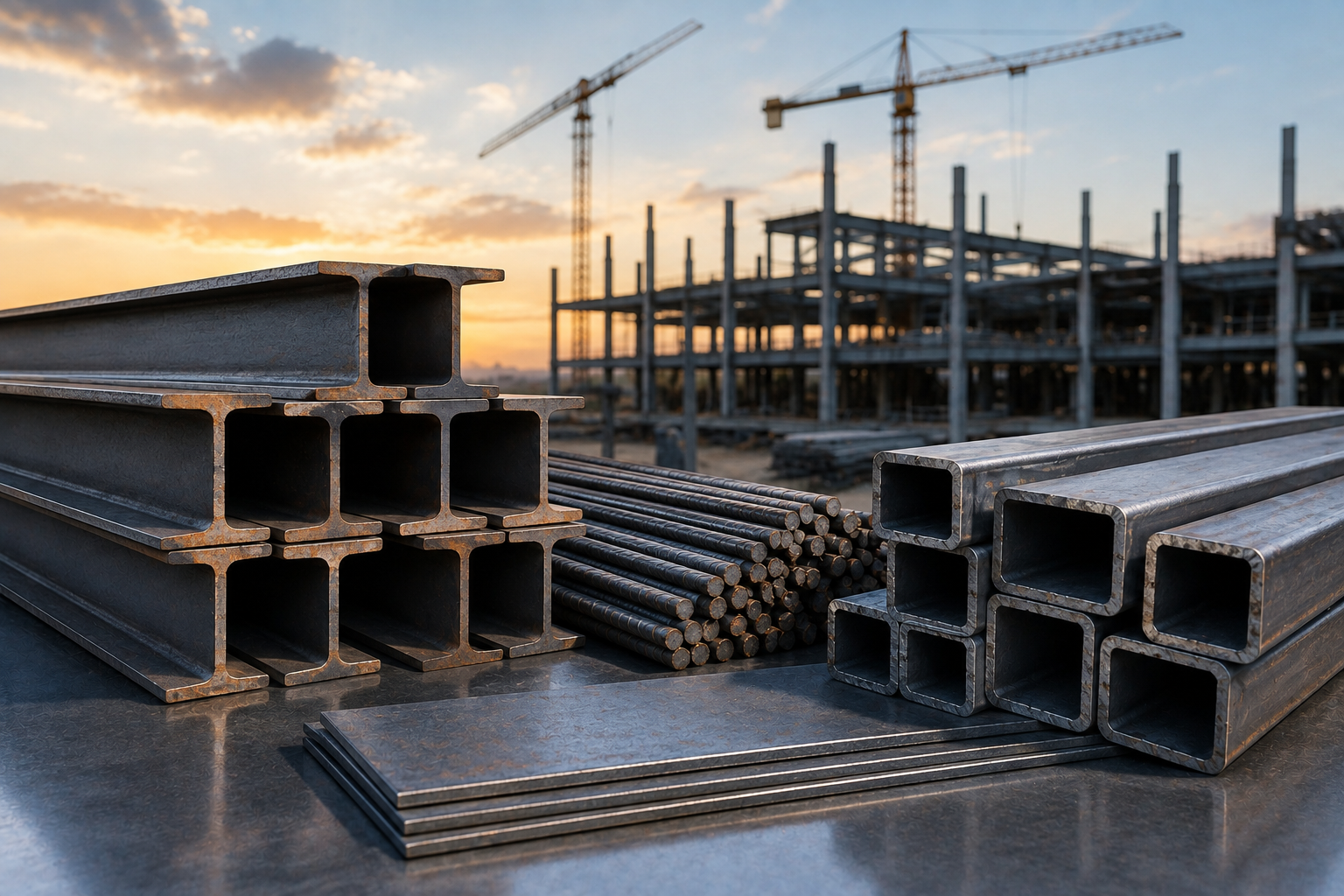
Structural Steel Price Trend June 2026: China vs India
Steel buyers got a clear signal in June 2026. China's structural steel is priced at USD 772.22 per metric ton FOB. India comes in lower, at USD 650.59 per metric ton, also FOB. That's a gap of over USD 120 per ton between two of the biggest steel producers in Asia. Not a rounding error.
Structural steel sits underneath a lot of what gets built. Bridges, warehouses, high rises, industrial frames. When the price shifts in either country, contractors and fabricators feel it fast, usually before the quarter is even over.
Structural Steel Prices: China vs India
| Product | Region | Incoterm Basis | Price | Last Updated |
|---|---|---|---|---|
| Structural Steel | China | FOB | USD 772.22/MT | June 2026 |
| Structural Steel | India | FOB | USD 650.59/MT | June 2026 |
Price Source :- Procurement Resource
USD 121.63 separates the two. Both quotes are FOB, so at least this comparison isn't skewed by different insurance or freight treatment the way CFR vs CIF numbers sometimes are. Same basis, different price. That makes the gap more telling, not less.
A few notes worth sitting with:
- Both figures reflect June 2026 only. Steel pricing moves in cycles, sometimes fast ones.
- FOB means the price covers the product loaded at the port of origin. Buyers still carry freight and insurance from there.
- China's rate sits nearly 19% above India's on this basis.
Same incoterm on both sides removes one variable. What's left is production cost, demand pressure, and policy. All three matter here.
What's Behind the China-India Gap
China's steel industry runs at massive scale. Huge mills, established supply chains, decades of infrastructure spending baked into the system. That scale usually pushes costs down, not up. So why is China pricier right now?
Part of it comes down to domestic demand. China's construction sector has been absorbing a lot of steel output internally, which tightens what's left for export and nudges FOB pricing higher. Export volumes get squeezed when local buyers are competing for the same supply.
India's lower price tells a different story. Capacity has been expanding steadily across Indian steel producers, and that added supply puts downward pressure on export pricing. More mills producing more tons tends to do that.
Raw material costs matter too. Iron ore, coking coal, scrap steel. Prices for these inputs don't move identically in both countries, and local mining output, import tariffs, and energy costs all shift the base cost differently depending on where the mill sits.
So which country offers better value for buyers right now? Depends what "value" means to the buyer. Lower unit price from India looks good on the invoice. But quality specs, delivery reliability, and mill certifications matter just as much for structural applications where tolerances aren't optional.
What This Means for Buyers and Investors
Procurement teams sourcing structural steel have a real decision in front of them this quarter.
India's price advantage is hard to ignore on volume orders. A USD 121.63 per ton gap adds up quickly on large infrastructure or industrial builds. Worth running the math against project timelines before locking in a supplier.
China still holds an edge in certain grades and certification standards that some markets require. Buyers working on projects with strict compliance needs might find the premium justified, even with the higher FOB rate.
For investors watching the broader steel sector, the price gap says something about capacity utilization. China running tighter on export supply while India expands points toward a shift in where global buyers might increasingly turn for structural steel over the next few quarters.
Business advisers working with construction or manufacturing clients should flag this trend now. Steel costs feed directly into project bids, and a persistent India-China spread changes how competitive a quote can be depending on sourcing origin.
Looking Ahead: Structural Steel Price Trend for the Rest of 2026
Will this gap hold? Hard to say with full certainty, but the underlying drivers look sticky for now.
China's domestic demand isn't likely to soften overnight, and that keeps export pricing firm. India's capacity additions are still coming online, which should keep downward pressure on its FOB rate through the next couple of quarters at minimum.
Buyers locking in long term contracts should treat June 2026 numbers as a snapshot, not a guarantee. Input costs, tariffs, and shipping conditions can shift the picture faster than most contracts account for.
Conclusion
The structural steel price trend for June 2026 puts China at USD 772.22/MT FOB and India at USD 650.59/MT FOB, a gap of roughly USD 121.63 per ton. That difference traces back to domestic demand pressure in China and expanding capacity in India, not random market noise. Anyone sourcing structural steel, or advising clients who do, should be watching this spread closely going into the second half of 2026.
FAQ Section
What is the current structural steel price trend for China and India?
In June 2026, China's structural steel prices at USD 772.22/MT FOB, while India's comes in at USD 650.59/MT FOB. Both figures use the same incoterm basis, so the roughly USD 121.63 gap reflects real differences in demand pressure and production capacity rather than shipping terms.
Why is structural steel cheaper in India than China?
India has been expanding steel production capacity, which increases export supply and pushes FOB pricing down. China's domestic construction sector is absorbing more of its own steel output right now, tightening what's available for export and keeping China's price higher by comparison.
What drives structural steel prices up or down?
Raw material costs like iron ore and coking coal play a big role, along with domestic demand, export capacity, and energy costs at the mill level. Tariffs and policy shifts in either country can also move FOB pricing without any change in global demand.
How should buyers choose between Chinese and Indian structural steel?
It comes down to project needs. India often wins on price for large volume orders. China can offer specific grades or certifications some projects require. Compare landed cost, not just FOB price, and factor in delivery timelines and quality documentation before deciding.
Will the China-India structural steel price gap continue through 2026?
Likely, at least in the near term. China's domestic demand isn't expected to ease quickly, and India's capacity expansion is still rolling out. Both trends point toward the spread holding through the next few quarters, though tariffs or raw material shifts could change that.

 English
 Arabic
 Spanish
 Portuguese
 Deutsch
 Turkish
 Dutch
Dutch
 Italiano
 Russian
 Romaian
 Portuguese (Brazil)
 Greek
Greek