


Golden triangle tour with Tiger Safari
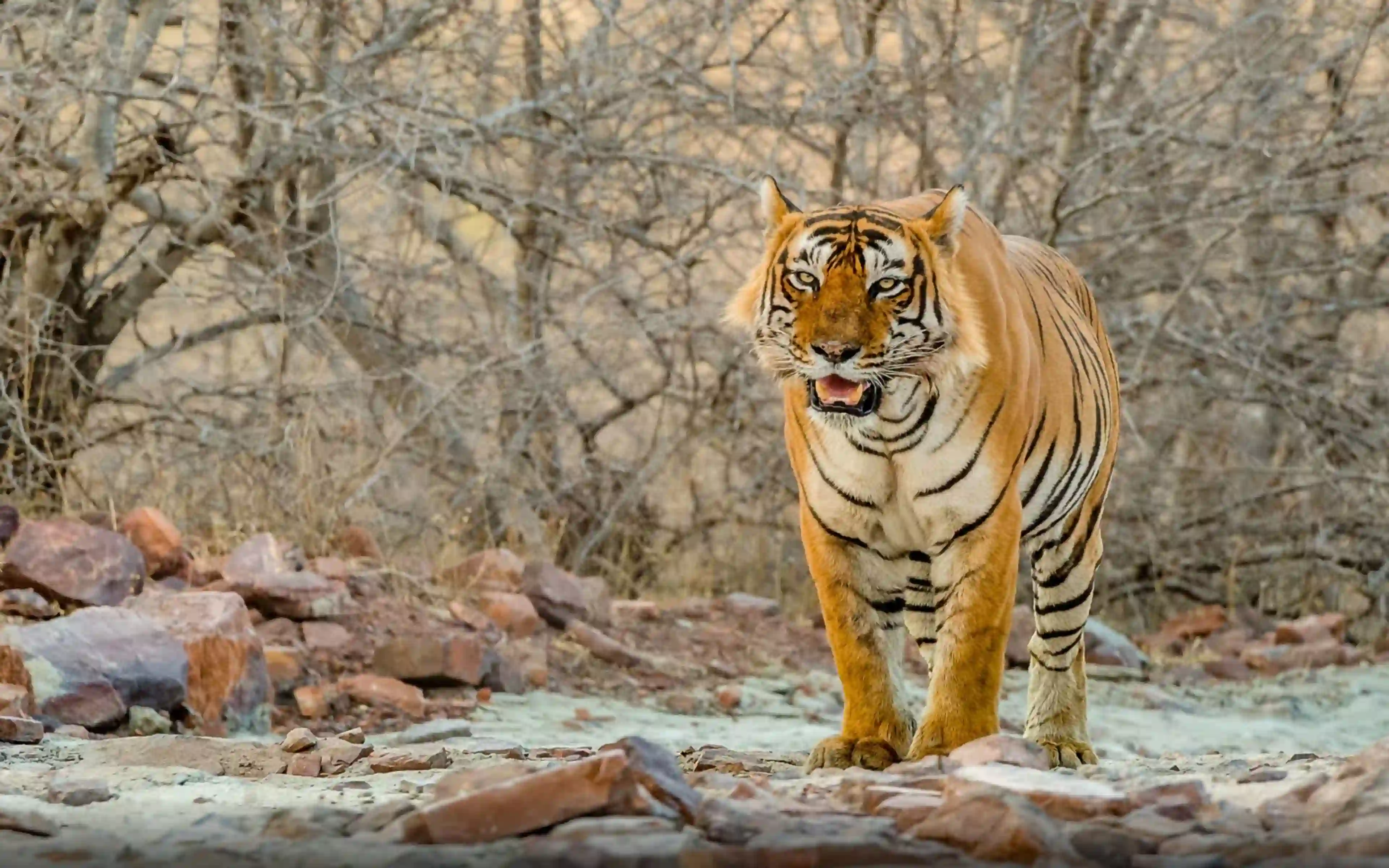
Golden Triangle Tour with Tiger Safari: The Ultimate India Wildlife and Heritage Journey
If you want to experience the best of India's culture, history, architecture, and wildlife in one unforgettable journey, a Golden Triangle tour with tiger safari is an excellent choice. The classic Golden Triangle connects Delhi, Agra, and Jaipur, three destinations that showcase dramatically different sides of India. Delhi introduces you to the country's vibrant capital and layers of history, Agra brings you face-to-face with the magnificent Taj Mahal, and Jaipur surrounds you with royal palaces, forts, colorful markets, and Rajasthan's distinctive heritage. Adding a tiger safari transforms the journey from a traditional sightseeing holiday into a much more adventurous experience. Instead of spending every day visiting monuments, you get the chance to enter one of India's protected forests and search for Bengal tigers in their natural habitat. The combination works beautifully because India's heritage and wildlife are so different yet equally fascinating. You might begin your trip exploring Mughal architecture in Delhi, stand before the Taj Mahal in Agra, admire Rajput grandeur in Jaipur, and then trade palace courtyards for jungle tracks as you head into a national park. A well-designed itinerary can balance sightseeing with relaxation, giving you enough time to appreciate each destination rather than simply collecting photographs. Whether you are a first-time visitor to India, a couple seeking an adventurous vacation, a family looking for variety, or a wildlife enthusiast who also loves history, a Golden Triangle with tiger safari tour offers an unusually rich travel experience.
What Is a Golden Triangle Tour with Tiger Safari?
The traditional Golden Triangle tour follows a triangular route between Delhi, Agra, and Jaipur. These cities are among India's most popular tourist destinations because they collectively represent several major periods and traditions in Indian history. Delhi combines ancient monuments, Mughal architecture, colonial-era landmarks, modern neighborhoods, and lively markets. Agra is internationally famous for the Taj Mahal but also contains important Mughal heritage sites such as Agra Fort. Jaipur, the capital of Rajasthan, is known for its pink-colored historic center, grand palaces, hilltop forts, handicrafts, jewelry, and royal heritage.
Adding a tiger safari introduces a completely different dimension. Instead of spending the entire trip in urban environments, you travel into one of India's tiger reserves or national parks for guided wildlife drives. Ranthambore National Park is one of the most popular choices for combining wildlife with the Golden Triangle because it is located in Rajasthan and can be incorporated between Agra and Jaipur or after Jaipur depending on the route. Other tiger reserves can also be considered, but the ideal park depends on the season, availability, travel time, and the amount of time you want to dedicate to wildlife.
The appeal is simple: one itinerary gives you monuments, palaces, local culture, cuisine, and wildlife. It is like combining several different Indian vacations into one carefully connected journey.
Why Add a Tiger Safari to the Golden Triangle?
A conventional Golden Triangle tour can be fascinating, but adding a tiger safari changes the rhythm of the trip. After several days of visiting forts, temples, tombs, and palaces, entering a forest creates an entirely different atmosphere. Suddenly, there are no busy streets or monumental gateways. Instead, you are listening for alarm calls, watching birds move through the trees, looking for tracks in the dust, and wondering whether a tiger might appear around the next bend.
The excitement comes partly from the uncertainty. A historical monument is guaranteed to be standing when you arrive, but a wild tiger is not waiting according to your itinerary. You may see one almost immediately, or you may spend several drives searching and come away with an unforgettable collection of birds, deer, crocodiles, landscapes, and other wildlife. That unpredictability is part of what makes safari travel special.
For travelers who want more than a conventional sightseeing holiday, the safari adds adventure and anticipation. It also gives you a deeper understanding of India's natural heritage. The country is not simply a destination of palaces and monuments; it contains extraordinary ecosystems where endangered species continue to survive.
Best Tiger Safari for a Golden Triangle Tour
Ranthambore National Park
Ranthambore National Park is one of the most popular choices for travelers combining the Golden Triangle with a tiger safari. Its location in Rajasthan makes it particularly convenient for an itinerary that includes Jaipur. The park is also famous for its distinctive landscape of dry forests, lakes, rocky terrain, and historic ruins.
One of Ranthambore's most recognizable features is the dramatic Ranthambore Fort, which rises above the surrounding landscape. Few wildlife destinations offer such a striking combination of ancient architecture and wild nature. During a safari, you may encounter Bengal tigers, leopards, sloth bears, sambar deer, spotted deer, crocodiles, wild boar, langurs, and numerous bird species.
However, a responsible itinerary should never promise a tiger sighting. Tigers are wild animals, and sightings depend on many factors, including season, weather, animal behavior, habitat conditions, and luck. A good safari operator will focus on the overall wildlife experience rather than guaranteeing an encounter.
How Many Days Do You Need?
A comfortable Golden Triangle tour with tiger safari generally deserves at least eight to ten days, although longer itineraries can be much more rewarding. A rushed trip may technically allow you to visit all the major destinations, but the experience can become exhausting because India involves considerable travel time.
For a shorter itinerary, you might spend two days in Delhi, one or two nights in Agra, two nights in Ranthambore, and two or three nights in Jaipur. This provides a reasonable balance between sightseeing and wildlife.
If you have ten to twelve days, you can slow the itinerary down and add more experiences. You could spend additional time in Delhi, enjoy sunrise and sunset experiences around the Taj Mahal, have two or three safari drives in Ranthambore, and explore Jaipur without rushing between attractions.
The extra time is especially valuable for the wildlife portion. If seeing a tiger is important to you, staying for multiple safari drives gives you more opportunities than treating the national park as a quick stop between cities.
Suggested 10-Day Golden Triangle and Tiger Safari Itinerary
A well-balanced itinerary could look like this:
Day 1 – Delhi: Arrive in Delhi and settle into your hotel. Depending on your arrival time, enjoy a relaxed evening.
Day 2 – Delhi: Explore Old and New Delhi, including major historical landmarks and local markets.
Day 3 – Delhi to Agra: Travel to Agra and visit the Taj Mahal and Agra Fort.
Day 4 – Agra to Ranthambore: Travel toward Ranthambore, with an optional stop at Fatehpur Sikri depending on your schedule.
Day 5 – Ranthambore: Enjoy a morning safari and spend the afternoon relaxing at your wildlife lodge.
Day 6 – Ranthambore: Take another safari, with the remaining time available for relaxation or additional local sightseeing.
Day 7 – Ranthambore to Jaipur: Travel to Jaipur and enjoy a relaxed evening.
Day 8 – Jaipur: Explore Amber Fort, City Palace, Jantar Mantar, and other major attractions.
Day 9 – Jaipur: Enjoy additional sightseeing, markets, crafts, and local experiences.
Day 10 – Jaipur to Delhi: Return to Delhi for departure or continue with your onward journey.
This structure gives the trip a natural progression. Delhi and Agra introduce India's historical grandeur, Ranthambore provides the wildlife adventure, and Jaipur finishes the journey with Rajasthan's royal atmosphere.
Delhi: The Starting Point of Your Journey
Delhi is more than simply an arrival city. If your schedule allows, give yourself at least one full day to experience the capital. Old Delhi offers an intense introduction to India's energy, with historic lanes, markets, mosques, food stalls, and monumental architecture. New Delhi provides a contrasting experience with broad avenues, government buildings, museums, gardens, and colonial-era landmarks.
Important attractions can include the Red Fort, India Gate, Humayun's Tomb, Qutub Minar, Jama Masjid, and the streets of Old Delhi. You do not need to visit everything. Select a handful of sites that match your interests and leave enough time to experience the city between them.
Delhi is also an excellent place to recover from an international flight before beginning the more intensive part of your itinerary. A relaxed first evening can make a major difference to how you feel during the following days.
Agra and the Taj Mahal
No Golden Triangle itinerary would be complete without Agra. The Taj Mahal is undoubtedly the city's biggest attraction, but Agra's historical importance extends far beyond one monument.
Plan your Taj Mahal visit carefully. The official Taj Mahal website states that the monument normally opens 30 minutes before sunrise and closes 30 minutes before sunset, while it is closed to general visitors every Friday. (tajmahal.gov.in)
An early morning visit can be particularly rewarding. The changing light creates different shades across the white marble, and morning temperatures can be more comfortable. After the Taj Mahal, visit Agra Fort to understand more about the Mughal rulers and the world in which the Taj Mahal was created.
If time permits, you can also explore attractions such as Itimad-ud-Daulah or Mehtab Bagh.
Agra to Ranthambore
The journey from Agra toward Ranthambore is an important transition in the itinerary. You are moving from the Mughal heartland toward Rajasthan and from heavily visited monuments toward a wildlife environment.
One possible stop along the way is Fatehpur Sikri, the historic Mughal city associated with Emperor Akbar. Its red sandstone architecture makes it a natural addition to a Golden Triangle itinerary. However, adding it should depend on your travel schedule. If you have already spent a long morning at the Taj Mahal and have a substantial journey ahead, trying to fit in another major attraction can make the day exhausting.
A private vehicle can be particularly useful for this part of the journey because it gives you greater flexibility over stops and departure times.
Your Ranthambore Safari Experience
The safari is likely to become one of the most anticipated parts of your trip. Safaris generally take place in specially designated vehicles with trained drivers and guides. Morning and afternoon drives offer different experiences because wildlife activity changes throughout the day.
During a drive, your guide may stop to investigate tracks, listen for alarm calls, scan waterholes, or observe animal behavior. You may see deer grazing in open areas, crocodiles near lakes, monkeys moving through trees, or colorful birds hidden among vegetation.
And then there is the tiger.
When a tiger appears, the entire atmosphere can change in an instant. Conversations become whispers, cameras rise, and everyone concentrates on the animal. But even if the tiger remains hidden, the experience of moving quietly through a protected forest is worthwhile.
How Many Safaris Should You Book?
If your primary goal is wildlife, two or three safari drives are generally more sensible than booking just one. A single drive can produce an extraordinary sighting, but there is no guarantee. Wildlife is unpredictable.
Multiple drives increase your opportunities to observe different areas of the park under different conditions. One drive may be quiet and focused on birds and landscapes, while another may deliver an exciting tiger or leopard sighting.
Staying for at least two nights in the area can therefore make the wildlife portion of your itinerary much more rewarding. It also gives you time to enjoy your lodge rather than treating it as nothing more than a place to sleep between drives.
The Importance of Safari Zones
Tiger reserves may be divided into different tourism zones, and safari allocation can depend on the park's current management system and booking arrangements. Some zones can become particularly popular because of previous tiger sightings, but wildlife movements change constantly.
Do not assume that one particular zone guarantees a tiger. A tiger that was seen repeatedly in one area last week may move elsewhere. Good guides understand that the forest must be read as a living environment rather than treated like a fixed attraction.
When booking, ask your tour operator to explain the current safari system, vehicle type, entry arrangements, and what is included in the price.
Best Time for a Tiger Safari
The best safari season depends on what you want from the experience. Warmer months can sometimes make wildlife easier to spot around water sources, but temperatures can be intense. Cooler months can be more comfortable for travelers and can provide pleasant conditions for combining wildlife with sightseeing.
The operating season and access to individual park zones can vary, so always verify the current rules and availability for the specific reserve you plan to visit.
Weather is also important for photography. Early mornings can be cold during winter, while summer afternoons may be extremely hot. Layered clothing is therefore a useful choice.
Jaipur: The Pink City
After the intensity of the tiger safari, Jaipur offers a completely different atmosphere. Known as the Pink City, Jaipur is the capital of Rajasthan and one of India's most distinctive heritage destinations.
The city combines grand architecture with colorful markets, traditional crafts, jewelry, textiles, and Rajasthani cuisine. The most famous attractions include Amber Fort, City Palace, Hawa Mahal, and Jantar Mantar.
Amber Fort is particularly impressive because of its hilltop setting and extensive palace complex. Hawa Mahal is instantly recognizable for its elaborate façade of windows and balconies, while Jantar Mantar offers an unusual glimpse into the scientific and astronomical interests of the historic Jaipur court.
Exploring Amber Fort
Amber Fort deserves enough time to appreciate its architecture rather than treating it as a quick photo stop. The fort combines defensive structures with ornate courtyards, palaces, gardens, gateways, and decorative interiors.
Its elevated location also provides impressive views of the surrounding landscape. A guide can be useful here because many of the architectural details have historical context that is easy to miss when exploring independently.
If you are visiting during hot weather, try to begin your Jaipur sightseeing early. Rajasthan's sun can become intense later in the day, particularly when walking around large fort complexes.
Experiencing Jaipur Beyond the Monuments
One of the strengths of Jaipur is that it offers experiences beyond traditional sightseeing. Spend time exploring local markets, learning about handicrafts, tasting Rajasthani food, or visiting workshops producing textiles, jewelry, blue pottery, and other crafts.
Shopping should be approached thoughtfully. Compare prices, understand the material and workmanship, and do not feel pressured to buy something simply because a seller tells you it is a "special tourist price."
A memorable Golden Triangle trip is not only about collecting photographs of famous monuments. It is also about understanding how people live, create, cook, trade, and preserve traditions.
Luxury Hotels and Wildlife Lodges
Accommodation can dramatically influence the atmosphere of this trip. In Delhi, Agra, and Jaipur, you can choose from everything from comfortable boutique hotels to historic properties and luxury resorts.
Ranthambore offers a particularly distinctive accommodation experience because many lodges are designed around the wildlife setting. Staying close to the park allows you to wake early for safari drives without spending a long time traveling before the experience begins.
A good lodge can also make the safari portion feel like a retreat rather than a series of early alarms. After a morning drive, you can enjoy breakfast, relax, read, swim, or simply listen to the surrounding environment before your next activity.
What to Pack for a Golden Triangle and Tiger Safari Tour
Packing for this itinerary requires more thought than packing for a normal city vacation because you are combining urban sightseeing with wildlife travel.
Comfortable walking shoes are essential for Delhi, Agra, and Jaipur. Lightweight clothing is useful in warmer seasons, while layers are valuable during cooler mornings and evenings.
For safari, neutral-colored clothing is generally practical. Avoid excessively bright outfits if you want to blend into the environment. Sunglasses, sunscreen, a hat, insect repellent, and a reusable water bottle can also be useful.
A camera with a telephoto lens can be helpful for wildlife photography, but do not assume you need expensive equipment. A smartphone can capture plenty of memorable images, particularly when animals come relatively close.
Responsible Tiger Tourism
Seeing a tiger in the wild is an extraordinary privilege, and responsible tourism should always come first. Tigers are not performers. They should never be chased, surrounded, baited, or disturbed simply to produce a photograph.
Follow the instructions of your guide and driver. Keep your voice low, remain inside the designated vehicle, and never attempt to attract an animal's attention.
Avoid operators who promise a guaranteed tiger sighting. No ethical safari company can guarantee the behavior of a wild animal.
The best wildlife experience is one in which the animals remain wild and visitors remain respectful.
Golden Triangle with Tiger Safari for Families
This itinerary can be excellent for families because it combines different kinds of experiences. Children who become tired of monuments may become fascinated by wildlife, while adults can enjoy the historical and architectural side of the journey.
However, the itinerary should not be too fast. Young children may struggle with early safari departures, long drives, and consecutive days of sightseeing.
Consider spending two nights in the wildlife area and choosing comfortable accommodation. Allow time for swimming, resting, and relaxed meals rather than filling every hour with activities.
Older children and teenagers may particularly enjoy photography and learning how guides track wildlife.
Golden Triangle with Tiger Safari for Couples
For couples, this itinerary offers an appealing combination of romance and adventure. Watching the sunrise at the Taj Mahal, staying in a beautiful heritage hotel in Jaipur, and heading into the forest for a tiger safari create very different memories within one journey.
A private vehicle can provide greater flexibility and privacy between destinations. Couples may also prefer boutique hotels or luxury properties that make the evenings as memorable as the sightseeing.
The safari portion adds excitement to what might otherwise be a traditional cultural itinerary. One morning you are admiring Mughal architecture; another morning you are quietly searching the forest for a tiger.
How Much Does a Golden Triangle Tiger Safari Tour Cost?
There is no single fixed price because the cost depends on the number of days, hotel category, transportation, safari permits, number of safari drives, guide services, meals, and travel season.
A budget itinerary can use comfortable three-star accommodation and standard transportation. A mid-range itinerary can include high-quality hotels, private transfers, and multiple safari drives. Luxury travelers can choose premium heritage hotels, private vehicles, luxury wildlife lodges, and personalized guides.
Safari costs can also vary according to the reserve, vehicle type, zone, permit availability, and booking arrangements. Always ask for a detailed quotation rather than comparing only the headline tour price.
A seemingly cheaper tour may exclude safari drives, monument entrance fees, meals, or transportation that another operator includes.
Private Tour vs Group Tour
A private Golden Triangle and tiger safari tour generally offers more flexibility. You can choose your departure times, adjust sightseeing durations, stop for photographs, and customize the itinerary around your interests.
A group tour can be more affordable and is a good option for travelers who enjoy meeting others. However, group schedules are less flexible and may require you to follow a predetermined itinerary.
If you are traveling as a family or couple, a private tour can offer particularly good value because the experience can be designed around your preferred pace.
Common Mistakes to Avoid
The first mistake is trying to fit too much into too few days. Delhi, Agra, Ranthambore, and Jaipur are not places you should race through.
The second is booking only one safari while expecting a guaranteed tiger sighting. Wildlife does not work that way.
Another mistake is failing to check the current operating conditions of the national park. Safari zones, booking procedures, seasonal access, and regulations can change.
Finally, do not underestimate travel time. India can look compact on a map, but road conditions, traffic, stops, and local logistics can make journeys longer than expected.
Why This Is One of India's Best Multi-Experience Tours
The greatest strength of a Golden Triangle tour with tiger safari is variety. Every few days, the character of the journey changes.
Delhi gives you urban energy and layers of history. Agra delivers the timeless beauty of the Taj Mahal. Ranthambore introduces the thrill of wild India. Jaipur brings you into the world of Rajasthan's royal heritage.
Few itineraries offer such a dramatic contrast between human history and natural history.
You are not simply traveling from one tourist attraction to another. You are experiencing different versions of India within a single journey.
Conclusion
A Golden Triangle tour with tiger safari is an outstanding way to explore India's heritage while adding a genuine wildlife adventure to your vacation. Delhi, Agra, and Jaipur provide an extraordinary foundation of architecture, history, culture, food, and local experiences, while Ranthambore adds the excitement of searching for Bengal tigers in their natural environment.
For the best experience, avoid rushing. Give Delhi enough time to introduce you to the country, dedicate a meaningful morning to the Taj Mahal, explore Agra Fort, spend at least two nights in the wildlife region if possible, and allow several days for Jaipur. Most importantly, approach the safari with realistic expectations. A tiger sighting is never guaranteed, but the forest itself can provide unforgettable experiences.
With thoughtful planning, comfortable accommodation, reliable transportation, and responsible wildlife tourism, this journey can become far more than a standard sightseeing vacation. It can be a trip where India's greatest monuments and wild landscapes become part of the same story.

 English
 Arabic
 French
 Spanish
 Portuguese
 Deutsch
 Turkish
 Italiano
 Russian
 Romaian
 Portuguese (Brazil)
 Greek
Greek