


Golden triangle tour ranthambore tiger safari
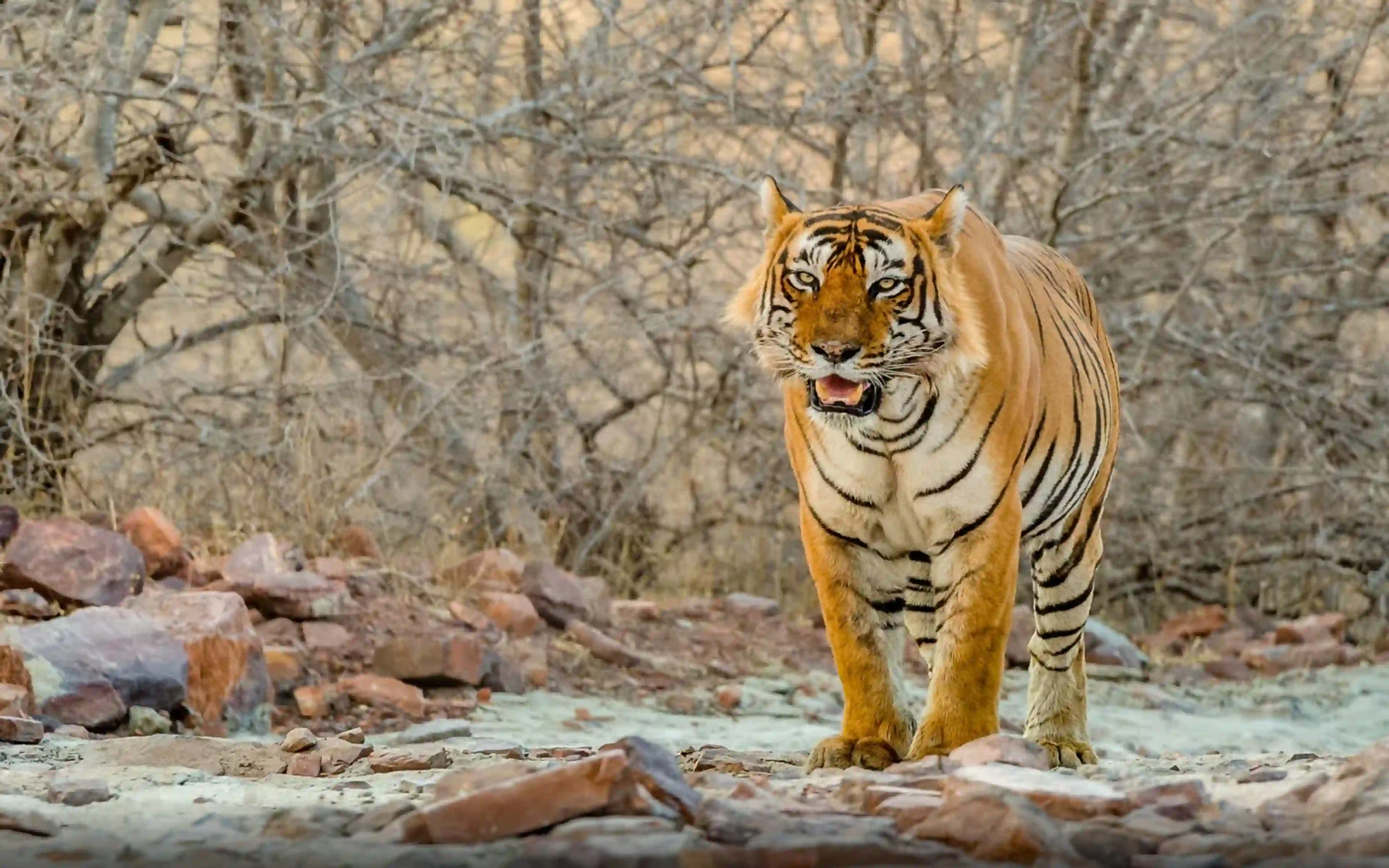
Golden Triangle Tour with Ranthambore Tiger Safari
The Golden Triangle Tour with Ranthambore Tiger Safari combines three of India's most famous heritage destinations—Delhi, Agra, and Jaipur—with the thrilling wildlife experience of Ranthambore National Park. It is an especially attractive itinerary for travelers who want more than monuments and museums. One day you can stand before the Taj Mahal, the next explore the pink streets of Jaipur, and then find yourself surrounded by dry forests and ancient ruins searching for a Bengal tiger.
The classic Golden Triangle already offers an extraordinary introduction to northern India. Delhi brings layers of Mughal, colonial, and modern history; Agra introduces the Taj Mahal and Agra Fort; and Jaipur adds magnificent forts, palaces, markets, and Rajput architecture. Adding Ranthambore changes the rhythm of the journey. The tour moves from busy cities into the countryside, where wildlife, landscapes, and the remains of a medieval fort become the main attraction.
Ranthambore National Park is located in Rajasthan and is one of India's best-known tiger reserves. The park forms part of the Ranthambore Tiger Reserve, and its combination of forest, lakes, rocky terrain, and historic Ranthambore Fort creates an unusually dramatic setting for wildlife viewing.
Why Choose a Golden Triangle Tour with Ranthambore?
A standard Golden Triangle itinerary is perfect for first-time visitors who want to experience India's most recognizable cultural attractions. But if you have several days available, adding Ranthambore tiger safari gives the journey another dimension.
Instead of moving only between historic cities, you experience different sides of Rajasthan and northern India. You can explore Delhi's historic streets, admire the Taj Mahal in Agra, discover Jaipur's royal heritage, and then exchange crowded city roads for open landscapes filled with birds, deer, crocodiles, monkeys, and the possibility of seeing a tiger.
The wildlife component also gives the itinerary a natural pause between cultural sightseeing days. After spending hours exploring forts and palaces, a safari offers a completely different experience.
There is no guarantee that you will see a tiger, of course. Wildlife is unpredictable. That uncertainty is part of what makes a safari exciting.
Golden Triangle and Ranthambore Tour at a Glance
A well-planned itinerary generally follows this route:
Delhi → Agra → Ranthambore → Jaipur → Delhi
This route works well because it connects the major Golden Triangle destinations with Ranthambore without requiring unnecessary backtracking.
A typical longer itinerary may include:
- Delhi sightseeing
- Taj Mahal and Agra Fort
- Transfer to Ranthambore
- One or more tiger safaris
- Ranthambore Fort
- Transfer to Jaipur
- Amber Fort
- City Palace
- Hawa Mahal
- Jantar Mantar
- Jaipur markets
- Return to Delhi
The exact number of nights depends on how much time you want for wildlife and whether you prefer a relaxed or fast-paced journey.
How Many Days Do You Need?
The ideal duration depends on your priorities.
A 6-day Golden Triangle with Ranthambore tour can cover the main highlights, but the schedule will be relatively fast. A 7-day or 8-day itinerary is generally more comfortable because it gives you additional time for safari and sightseeing.
If wildlife is a major reason for taking the trip, consider spending at least two nights in Ranthambore. This creates opportunities for more than one safari and reduces the pressure of relying on a single game drive.
A longer itinerary also gives you more time in Jaipur and Delhi instead of turning every day into a race against the clock.
Suggested 7-Day Route
Day 1: Arrive in Delhi
Day 2: Delhi sightseeing
Day 3: Delhi to Agra, Taj Mahal and Agra Fort
Day 4: Agra to Ranthambore
Day 5: Ranthambore tiger safari
Day 6: Ranthambore to Jaipur
Day 7: Jaipur sightseeing and departure or return to Delhi
This is a framework rather than a fixed schedule. International arrival times, safari availability, and travel preferences can all affect the ideal arrangement.
Day 1: Arrival in Delhi
Your Golden Triangle adventure begins in Delhi.
After arriving at the airport, a private transfer can take you to your hotel. Depending on your arrival time, you may have the opportunity to explore a nearby part of the city, but there is no need to force sightseeing into an already tiring arrival day.
Rest is particularly valuable if you are arriving after a long international flight.
Delhi is enormous, and trying to see the entire city immediately is unnecessary. Save the major sightseeing for the following day.
Day 2: Delhi Sightseeing
Your Delhi sightseeing day can combine Old Delhi and New Delhi.
In Old Delhi, the Red Fort, Jama Masjid, and Chandni Chowk provide an introduction to the city's Mughal heritage. A rickshaw ride through selected areas of Old Delhi can add a memorable local experience.
You can then continue toward New Delhi to see landmarks such as India Gate, the presidential and government district, Humayun's Tomb, and Qutub Minar.
Delhi's history spans many centuries, so a private guide can be particularly useful. Instead of seeing unrelated monuments, you can understand how the city's political and architectural identity evolved.
At the end of the day, return to your hotel and prepare for the journey to Agra.
Day 3: Delhi to Agra and Taj Mahal
Leave Delhi in the morning for Agra.
The journey can be made by private car or train, depending on your itinerary. A private car is particularly convenient for a multi-city tour because you can travel directly from your hotel to Agra and continue sightseeing without changing transportation.
Once in Agra, the Taj Mahal is naturally the priority.
The monument is one of India's most recognizable landmarks and a UNESCO World Heritage Site. Its white marble architecture, formal gardens, symmetry, and intricate decorative details make it one of the world's most celebrated monuments.
Take your time rather than rushing through the complex.
After the Taj Mahal, visit Agra Fort. The fort adds historical context to the Taj Mahal because it connects the city to the Mughal emperors who shaped Agra's development.
Spend the night in Agra or continue according to your chosen itinerary.
Day 4: Agra to Ranthambore
The journey from Agra to Ranthambore marks a major change in the character of the trip.
You leave the Mughal monuments behind and move toward Rajasthan's countryside and wildlife landscape.
A common route includes travel toward Bharatpur or another rail connection, followed by onward transportation toward Sawai Madhopur, the gateway town for Ranthambore National Park.
If traveling by private vehicle, the journey can be arranged as part of a continuous road itinerary.
Arriving in Ranthambore is itself an experience. The atmosphere is quieter than Delhi, Agra, or Jaipur, and the landscape begins to feel distinctly different.
Check into your wildlife resort or hotel, relax, and prepare for your safari.
Day 5: Ranthambore Tiger Safari
This is the day many wildlife enthusiasts have been waiting for.
A Ranthambore tiger safari takes you into designated safari zones in search of Bengal tigers and other wildlife.
The experience is not like visiting a zoo. You are entering a natural environment, and animals decide where they go, when they appear, and how long they remain visible.
That means patience matters.
Your safari guide and driver use their knowledge of the terrain, recent sightings, animal behavior, tracks, alarm calls, and other clues to improve the chances of finding wildlife.
Even when a tiger does not appear, the safari can be rewarding because Ranthambore contains much more than tigers.
What Animals Can You See in Ranthambore?
Ranthambore is best known for its Bengal tigers, but they are only one part of the ecosystem.
Depending on the season and safari zone, visitors may encounter animals such as:
- Sambar deer
- Spotted deer
- Nilgai
- Wild boar
- Indian gazelle
- Sloth bears
- Leopards
- Crocodiles
- Langurs
- Rhesus macaques
The park also supports a rich variety of birdlife.
For wildlife lovers, the excitement comes from not knowing exactly what the next turn in the track will reveal.
A tiger sighting may become the unforgettable highlight, but a crocodile resting near a lake or a large sambar deer standing in the forest can also make for memorable encounters.
How Likely Is a Tiger Sighting?
No responsible tour operator should promise a tiger sighting.
Ranthambore is a wild habitat, not a controlled wildlife attraction. Tigers have large territories, and their movements change according to weather, prey, water availability, and other factors.
Your chances can improve by taking multiple safaris rather than relying on a single game drive.
This is one reason why spending two or three nights in Ranthambore can be worthwhile for wildlife-focused travelers.
The first safari may introduce you to the landscape. The second can give you another opportunity under different conditions.
The goal should be to experience the park, not simply to collect a photograph of a tiger.
Morning vs Afternoon Safari
Ranthambore generally offers safari opportunities during morning and afternoon periods, with exact timings varying according to season and official regulations.
Morning safaris can offer cooler conditions and active wildlife after sunrise. Afternoon safaris can provide different lighting and wildlife behavior.
Rather than assuming that one is always better, consider taking safaris in different time periods if your itinerary allows.
Multiple drives also increase your exposure to different conditions.
Always check the official safari schedule and current booking rules for your travel dates because timings can change seasonally.
Ranthambore Safari Zones
Ranthambore is divided into different tourism zones, and safari allocation depends on the current booking system and regulations.
Travelers sometimes focus heavily on securing a particular zone, but wildlife moves freely and a tiger does not follow a tourist's preferred itinerary.
A knowledgeable safari operator can help you understand the current booking process and available options.
The quality of the experience depends on many factors beyond the zone number, including weather, recent animal movement, guide knowledge, and simple luck.
Ranthambore Fort
Ranthambore is unusual because wildlife and history exist side by side.
The Ranthambore Fort rises above the national park landscape and provides a spectacular perspective over the surrounding forests and lakes.
The fort has deep historical connections with the Chauhan Rajput tradition and later periods of Rajasthan's history.
A visit to the fort can be a good complement to a safari because it lets you experience the region from a completely different perspective.
Instead of looking for wildlife from a jeep, you look across the landscape from a historic fortress.
Day 6: Ranthambore to Jaipur
After your wildlife experience, continue toward Jaipur.
The journey takes you deeper into Rajasthan's cultural landscape.
Jaipur is often called the Pink City, and its planned streets, historic bazaars, palaces, and forts provide a dramatic contrast to Ranthambore.
After checking into your Jaipur hotel, you can enjoy a relaxed evening.
Depending on your arrival time, consider visiting a local market or simply resting.
There is no need to pack another full sightseeing schedule into the same day after a safari and intercity transfer.
Day 7: Jaipur Sightseeing
Jaipur deserves at least one full sightseeing day.
Begin with Amber Fort, located outside the main city. The fort combines Rajput and Mughal architectural influences and occupies an impressive hilltop setting.
Continue to the City Palace, where royal architecture, courtyards, museums, and ceremonial spaces provide insight into Jaipur's history.
The Hawa Mahal is another essential stop, particularly for photography.
You can also visit Jantar Mantar, an extraordinary collection of astronomical instruments built in the 18th century.
Finish the day exploring Jaipur's markets and enjoying traditional Rajasthani cuisine.
Amber Fort
Amber Fort is one of Rajasthan's most famous historic monuments.
The complex combines massive defensive structures with elegant courtyards, gateways, halls, gardens, and decorative interiors.
A guide can explain how Rajput and Mughal architectural traditions influenced the fort.
The hilltop location also creates excellent views over the surrounding landscape.
For many travelers, Amber Fort becomes the highlight of the Jaipur portion of the Golden Triangle.
City Palace Jaipur
The City Palace represents Jaipur's royal heritage.
The complex contains courtyards, palace buildings, galleries, museums, and decorative spaces.
The architecture provides a useful introduction to the history of Jaipur's ruling family and the development of the planned city.
Allow enough time to explore rather than treating the palace as a quick photo stop.
Hawa Mahal
The Hawa Mahal, or Palace of Winds, is one of Jaipur's most recognizable buildings.
Its elaborate façade contains numerous small windows and openings, creating the honeycomb-like appearance that makes the monument so distinctive.
The structure is especially popular with photographers because its pink façade looks striking against the surrounding city.
Although the exterior is the most famous view, your guide can explain the historical purpose and architectural features of the building.
Jantar Mantar
Jantar Mantar demonstrates that Jaipur's heritage extends beyond palaces and forts.
The astronomical observatory contains large-scale instruments designed to measure and calculate astronomical positions.
Its monumental instruments are fascinating because they combine scientific purpose with architectural form.
A guide can make the experience much more understandable by explaining how the instruments were used.
Shopping in Jaipur
Jaipur is an excellent place to shop for traditional Indian crafts.
Popular products include textiles, block-printed fabrics, jewelry, handicrafts, blue pottery, carpets, and other decorative items.
Shopping can be incorporated into the itinerary, but be careful with time if you have a fixed departure.
A reputable guide can help identify established stores and explain the difference between traditional crafts and mass-produced souvenirs.
Best Time for a Golden Triangle Ranthambore Tour
The ideal season depends heavily on your wildlife priorities.
The cooler months are generally comfortable for exploring Delhi, Agra, and Jaipur.
For tiger sightings, warmer periods can sometimes provide interesting wildlife-viewing conditions because animals may gather near available water sources, but high temperatures can make sightseeing physically demanding.
Winter offers pleasant cultural sightseeing but can bring cool mornings and occasional haze.
The best time is therefore a compromise between comfortable Golden Triangle sightseeing and your preferred safari conditions.
Always check the current national park operating calendar before confirming your itinerary.
How Many Safaris Should You Book?
If seeing a tiger is a major goal, consider booking at least two safari drives.
One safari gives you one opportunity under one set of circumstances.
Two or more drives give you different time periods, routes, weather conditions, and wildlife movement.
There is still no guarantee.
Wildlife tourism requires a different mindset from sightseeing. You cannot schedule a tiger the way you schedule a monument visit.
The uncertainty is part of the adventure.
Private Golden Triangle Tour with Ranthambore
A private Golden Triangle tour with Ranthambore is especially useful because the itinerary involves multiple cities and different types of transportation.
With a private driver, you can travel between Delhi, Agra, Ranthambore, and Jaipur without repeatedly arranging taxis.
Your itinerary can also be adjusted around your preferred hotel category, safari schedule, sightseeing pace, and departure arrangements.
Families and small groups can particularly benefit from this arrangement.
A private guide in each destination can also provide local historical context rather than relying on one guide to cover the entire journey.
Luxury Golden Triangle with Ranthambore
Travelers seeking a premium experience can choose luxury hotels in Delhi, Agra, Ranthambore, and Jaipur.
The Ranthambore portion can be particularly special because several properties combine comfortable accommodation with a wildlife-focused setting.
Luxury does not guarantee better tiger sightings, but it can make the overall journey more comfortable.
A high-quality room, good meals, knowledgeable safari staff, and well-organized transfers can make a major difference after long sightseeing days.
Family Golden Triangle and Tiger Safari
Families often enjoy the combination because it balances cultural sightseeing with wildlife.
Children may find the prospect of searching for a tiger more exciting than visiting several historical monuments in succession.
The key is to keep the itinerary comfortable.
Do not schedule too many long transfers without breaks. Choose family-friendly accommodation and explain safari expectations to children before entering the park.
The animals are wild, and sightings are never guaranteed.
What to Pack
For a Golden Triangle and Ranthambore trip, pack according to both city sightseeing and wildlife conditions.
Useful items include:
- Comfortable walking shoes
- Lightweight clothing
- Warm layers for cool mornings
- Sun protection
- Sunglasses
- Reusable water bottle
- Camera
- Binoculars
- Personal medicines
- Identification and travel documents
Neutral-colored clothing can be practical for safari, particularly if you plan to spend several drives photographing wildlife.
Avoid carrying unnecessary luggage during the safari portion.
Photography Tips for Tiger Safari
Wildlife photography requires patience.
Do not expect every tiger sighting to produce a perfect photograph. The animal may be hidden behind vegetation, moving quickly, or positioned in difficult light.
A camera with a reasonable telephoto lens can be useful, but equipment alone does not create a great wildlife photograph.
Listen to your guide and avoid sudden movements or loud noises.
If a tiger appears, enjoy the moment before worrying about the photograph.
A blurry image of an extraordinary encounter can still be more valuable than a perfect photograph you never experienced.
What Should a Golden Triangle Ranthambore Package Include?
A well-designed all-inclusive Golden Triangle and Ranthambore package can include:
- Airport or hotel pickup
- Private air-conditioned vehicle
- Driver
- Accommodation
- Breakfast
- Delhi sightseeing
- Agra sightseeing
- Taj Mahal visit
- Agra Fort
- Ranthambore transfers
- Tiger safari bookings
- Jaipur sightseeing
- Professional guides
- Parking and highway expenses
- Hotel drop-off
Always verify the exact inclusions before booking.
Safari fees, permits, park transfers, monument tickets, meals, and guide services can be handled differently by different operators.
What Is Usually Excluded?
Personal expenses are usually separate.
Depending on the package, exclusions may include international flights, travel insurance, personal shopping, tips, alcoholic drinks, additional meals, camera fees, and optional activities.
Safari-related costs should receive particular attention because prices can vary depending on vehicle type and booking category.
Ask for a detailed quotation rather than relying only on the advertised headline price.
Golden Triangle with Ranthambore by Car or Train?
Both options can work.
Private road travel offers the greatest flexibility and is particularly convenient when you have multiple destinations.
Train travel can be useful for selected sections, particularly between major cities, but it requires more coordination with station transfers and safari schedules.
For a multi-city private tour, road transportation often makes the overall itinerary simpler.
The best option depends on your travel style, group size, budget, and preferred pace.
Common Mistakes to Avoid
The biggest mistake is trying to fit too much into too few days.
Delhi, Agra, Ranthambore, and Jaipur are substantial destinations. Treating them like four quick photo stops can leave you exhausted.
Another mistake is booking only one safari when wildlife is the main reason for adding Ranthambore.
You should also avoid assuming a tiger sighting is guaranteed.
Finally, leave some flexibility in the itinerary. Weather, road conditions, train schedules, and wildlife activity can all influence the experience.
Is the Golden Triangle with Ranthambore Worth It?
Absolutely, especially if you want a trip that combines culture, history, architecture, and wildlife.
The Golden Triangle gives you India's classic heritage experience.
Ranthambore adds adventure.
The Taj Mahal represents romance and Mughal artistry. Jaipur introduces Rajput history and royal architecture. Delhi provides centuries of political and cultural history. Ranthambore takes you into a very different world where the focus shifts from buildings to landscapes and wildlife.
The contrast is what makes the itinerary memorable.
You are not simply visiting four destinations. You are experiencing several different versions of India within one journey.
Conclusion
A Golden Triangle Tour with Ranthambore Tiger Safari is an outstanding itinerary for travelers who want to combine India's famous heritage attractions with an authentic wildlife experience.
The journey can begin in Delhi, continue to the Taj Mahal in Agra, move into the forests of Ranthambore, and finish among the forts and palaces of Jaipur. Each destination contributes something different, creating a trip that feels much more varied than a conventional sightseeing tour.
For wildlife enthusiasts, spending at least two nights in Ranthambore and arranging multiple safaris can provide a better opportunity to experience the park. For first-time visitors to India, the Taj Mahal, Agra Fort, Amber Fort, City Palace, Hawa Mahal, and major Delhi attractions provide a strong cultural foundation.
The most important thing to remember is that a tiger safari is a wildlife experience, not a guaranteed animal encounter. A tiger may appear at the perfect moment, or it may remain hidden. Either way, the forests, birds, deer, historic ruins, lakes, and landscapes make the journey worthwhile.
With comfortable accommodation, private transportation, knowledgeable guides, well-timed safari reservations, and a realistic itinerary, the Golden Triangle and Ranthambore combination can become an unforgettable introduction to northern India.
Frequently Asked Questions
1. How many days are ideal for a Golden Triangle tour with Ranthambore?
Around 7 to 8 days is a comfortable duration for most travelers. This allows time for Delhi, Agra, Ranthambore, and Jaipur without making every day excessively rushed.
2. How many tiger safaris should I take in Ranthambore?
If seeing a tiger is one of your main priorities, booking two or more safaris is sensible. Multiple drives give you additional opportunities under different weather, lighting, and wildlife conditions, although no sighting can ever be guaranteed.
3. Can I visit the Taj Mahal and Ranthambore on the same trip?
Yes. They work particularly well together as part of a Golden Triangle itinerary. A common route is Delhi, Agra, Ranthambore, Jaipur, and then Delhi.
4. Is Ranthambore suitable for families?
Yes, provided the itinerary is planned around the family's comfort. Children often enjoy the wildlife component, while parents can balance safari drives with cultural sightseeing. It is important to explain that animals are wild and tiger sightings are never guaranteed.
5. What is included in an all-inclusive Golden Triangle and Ranthambore package?
Depending on the operator, an all-inclusive package may include private transportation, hotels, breakfast, sightseeing, professional guides, monument tickets, transfers, and safari arrangements. Always request a detailed list of inclusions and exclusions before booking.

 English
 Arabic
 French
 Spanish
 Portuguese
 Deutsch
 Dutch
Dutch
 Italiano
 Russian
 Romaian
 Portuguese (Brazil)
 Greek
Greek