


Golden triangle tour 4 days
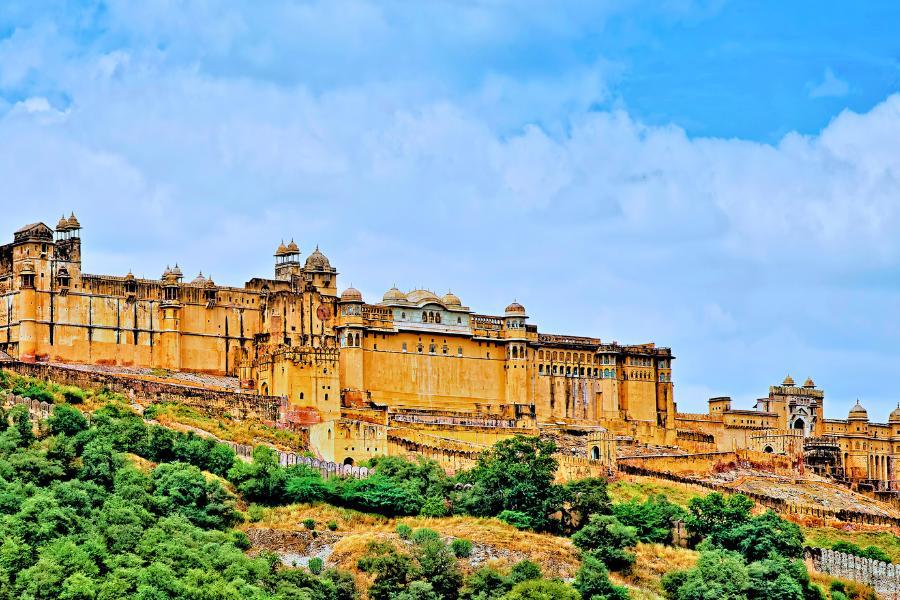
Golden Triangle Tour 4 Days: The Perfect Delhi, Agra and Jaipur Itinerary
A Golden Triangle Tour 4 Days is a smart choice for travelers who want to experience three of North India's most famous destinations without spending a week on the road. The classic Golden Triangle connects Delhi, Agra, and Jaipur, creating a compact route that combines India's political history, Mughal architecture, royal Rajasthan, colorful markets, local cuisine, and unforgettable cultural experiences. In just four days, you can explore the highlights of India's capital, stand before the Taj Mahal, discover the magnificent forts of Agra and Jaipur, and experience the distinctive atmosphere of the Pink City.
The biggest advantage of a four-day itinerary is efficiency. Instead of trying to cover too many destinations, you concentrate on the most important attractions and move between the three cities in a logical sequence. Agra is especially important because the city is home to the Taj Mahal, Agra Fort, and Fatehpur Sikri, while the official Incredible India tourism portal describes Agra as a major heritage destination with three UNESCO World Heritage Sites.
A short itinerary does require careful planning, though. You cannot treat four days like a relaxed vacation where you wake up whenever you want and decide what to do at breakfast. Transportation, monument timings, hotel locations, and sightseeing priorities all matter. The good news is that with an early start and private transportation—or carefully selected trains—you can comfortably experience the essential highlights of the Golden Triangle.
What Is the Golden Triangle Tour?
The Golden Triangle is India's most popular short-distance tourism circuit, connecting Delhi, Agra, and Jaipur. The three destinations form a rough triangle on the map, with each city offering a distinctly different travel experience.
Delhi introduces travelers to India's enormous historical and modern capital. Agra showcases the architectural achievements of the Mughal era, with the Taj Mahal serving as the undisputed centerpiece. Jaipur then takes you into Rajasthan, where hilltop forts, royal palaces, colorful bazaars, traditional crafts, and distinctive pink architecture create an entirely different atmosphere.
This variety is what makes the route so appealing. You can start your morning among the busy streets of Delhi, spend another day admiring white marble in Agra, and finish the journey surrounded by Rajasthan's royal heritage in Jaipur.
The route is also particularly suitable for international travelers visiting India for the first time. Instead of attempting to understand the enormous geography of the entire country, you experience three important destinations connected by relatively manageable travel distances.
Is 4 Days Enough for the Golden Triangle?
Yes, four days are enough for the highlights, but not enough to see absolutely everything. The difference is important.
A four-day tour should focus on the major attractions rather than attempting to visit every monument, museum, market, and neighborhood. You need to accept that some experiences will have to be saved for a longer trip.
A practical four-day itinerary can include one day in Delhi, one day centered around Agra, and approximately one and a half days in Jaipur, with the remaining time used for transfers.
The key is starting early.
If you sleep late every morning, spend hours at lunch, and travel without a schedule, four days will feel rushed. If you begin sightseeing early and organize transportation in advance, the same four days can be surprisingly productive.
Think of the itinerary as a carefully edited version of a much longer India vacation: you are not trying to read the entire book, but you are making sure you experience its most memorable chapters.
Golden Triangle Tour 4 Days Itinerary at a Glance
| Day | Route | Main Attractions |
|---|---|---|
| Day 1 | Delhi | India Gate, Qutub Minar, Humayun's Tomb, Red Fort/Old Delhi |
| Day 2 | Delhi → Agra | Taj Mahal, Agra Fort, optional Mehtab Bagh |
| Day 3 | Agra → Jaipur | Fatehpur Sikri, Jaipur markets, Hawa Mahal |
| Day 4 | Jaipur | Amber Fort, City Palace, Jantar Mantar, Jal Mahal |
This schedule is flexible. If you arrive in Delhi early on Day 1, you can fit more sightseeing into the capital. If your Day 1 arrival is late, reduce Delhi sightseeing and prioritize the attractions that matter most to you.
Likewise, travelers who have already visited Delhi can spend less time there and give additional attention to Agra or Jaipur.
Day 1: Explore Delhi
Your Golden Triangle Tour 4 Days begins in Delhi, where ancient monuments exist alongside modern government buildings, shopping districts, restaurants, and enormous urban neighborhoods. Because Delhi is so large, you should group attractions geographically instead of constantly crossing the city.
A first-time itinerary can combine Qutub Minar, Humayun's Tomb, India Gate, and selected areas of central Delhi. If you prefer Old Delhi, you can explore the Red Fort, Jama Masjid, and Chandni Chowk.
Trying to visit every famous attraction in one day is not recommended. Delhi deserves much more time than a single day, but four-day Golden Triangle travelers have to prioritize.
For many visitors, Qutub Minar is a strong starting point because its architecture provides an immediate introduction to Delhi's medieval history. Humayun's Tomb then offers another impressive architectural experience before you move toward central Delhi.
In the afternoon or evening, you can experience the energy of Old Delhi or explore a local market before returning to your hotel.
Best Delhi Attractions for a Short Tour
When time is limited, focus on attractions that offer the greatest combination of historical importance and visual appeal.
Qutub Minar is one of Delhi's most recognizable monuments and an excellent photography location. Humayun's Tomb is another major Mughal-era landmark with beautiful gardens and architectural symmetry. India Gate provides a completely different atmosphere and is particularly interesting as part of a drive through New Delhi.
If you have enough time, Old Delhi offers an entirely different experience. Chandni Chowk is crowded, colorful, chaotic, and full of food and shopping opportunities.
The trick is to choose your priorities before arriving. A traveler interested in history may prefer monuments, while someone interested in food and culture may prefer Old Delhi.
Day 2: Delhi to Agra and the Taj Mahal
Day 2 is arguably the most anticipated day of the entire itinerary because you travel to Agra and visit the Taj Mahal.
An early start is recommended. You can travel by private car or train depending on your preferred style and schedule. A private vehicle offers flexibility and allows you to travel directly from your Delhi hotel to Agra.
Once you reach Agra, make the Taj Mahal your first major sightseeing priority.
The official Taj Mahal website currently states that the monument opens 30 minutes before sunrise and closes 30 minutes before sunset on normal operating days. It is closed to general visitors every Friday.
This makes an early visit particularly useful. Morning light can be beautiful, temperatures are generally more comfortable than later in the day, and you have the rest of the day available for Agra Fort and other attractions.
Why Visit the Taj Mahal in the Morning?
The Taj Mahal changes character throughout the day as sunlight moves across its marble surface. The official Taj Mahal FAQ notes that sunrise is preferred by many tourists because early morning can help visitors avoid summer heat and some crowds, while also providing attractive photographic conditions.
For photographers, this can be particularly valuable. The soft light can create subtle shadows around the arches and dome, while the reflecting pools provide opportunities for symmetrical compositions.
But photography should not become the entire experience. Take time to look at the marble inlay, calligraphy, carved screens, gardens, and architectural proportions.
The monument is famous because of the overall view, but its craftsmanship becomes more impressive when you slow down and observe the details.
Taj Mahal Ticket Information
Current official Taj Mahal information lists the standard entry fee for Indian visitors at ₹50, while the foreign visitor fee is ₹1,100, with an additional ₹200 for visitors who choose to enter the main mausoleum. Children under 15 currently have no entry fee according to the official site.
Because ticketing rules and fees can change, travelers should verify the official website close to their visit.
The official site also states that tickets can be purchased online and that ticket windows open one hour before sunrise and close 45 minutes before sunset.
Important Taj Mahal Rules
Do not treat the Taj Mahal like an ordinary tourist attraction. Security restrictions apply.
The official Taj Mahal website states that eating and smoking are prohibited inside the monument and lists several restricted items, including large bags, tripods without appropriate permission, and certain electronic or other objects. Photography is prohibited inside the main mausoleum.
Travel light and check the current prohibited-items list before leaving your hotel.
Visit Agra Fort After the Taj Mahal
After spending the morning at the Taj Mahal, continue to Agra Fort.
The contrast between the two monuments is fascinating. The Taj Mahal represents a monumental expression of love and memory, while Agra Fort provides insight into Mughal power, administration, royal life, and military architecture.
The fort contains enormous walls, courtyards, palaces, audience halls, and viewpoints overlooking the Yamuna River.
A visit here usually takes less time than the Taj Mahal, making it a practical second attraction during a four-day tour.
Optional: Mehtab Bagh
If your schedule allows, consider visiting Mehtab Bagh after Agra Fort.
Located across the Yamuna River, it offers a different perspective of the Taj Mahal. Instead of standing within the monument's gardens, you see the Taj from a distance.
It is especially attractive for photographers, although you should not sacrifice your return schedule simply to add another attraction.
Day 3: Agra to Jaipur via Fatehpur Sikri
Day 3 takes you from Agra toward Jaipur, with an optional stop at Fatehpur Sikri along the way.
Fatehpur Sikri is an important historical complex associated with Emperor Akbar. The red sandstone architecture creates a visual contrast with the white marble of the Taj Mahal.
The official Taj Mahal tourism site identifies Fatehpur Sikri as one of Agra's major heritage attractions and places it around 40 kilometres from Agra.
This makes it a logical stop when traveling between Agra and Jaipur.
However, keep your schedule in mind. Four-day tours are already compact, and a long visit at Fatehpur Sikri can reduce your time in Jaipur.
If history is your main interest, include it. If Jaipur is more important to you, you can skip it and reach the Pink City earlier.
Arriving in Jaipur
After reaching Jaipur, spend the evening exploring the city rather than trying to complete a full sightseeing program.
Walk through a local market, photograph Hawa Mahal from outside, enjoy a traditional Rajasthani dinner, or simply relax at your hotel.
Jaipur feels particularly different after Delhi and Agra. The city's historic pink-colored architecture, decorated façades, traditional textiles, jewelry shops, handicrafts, and royal heritage give it a distinctive personality.
This is also a good evening to try local cuisine.
Day 4: Discover Jaipur
Your final day is dedicated to the Pink City.
Start early with Amber Fort, one of Jaipur's most impressive landmarks. Located in the hills outside the central city, the fort combines dramatic scenery with grand courtyards, gateways, palaces, and decorative architecture.
After Amber Fort, continue toward the City Palace and Jantar Mantar.
Amber Fort
Amber Fort should be a priority because it combines architecture, history, and landscape.
The approach to the fort is particularly impressive as the massive structure rises against the surrounding hills.
Inside, explore the courtyards, halls, gateways, and palace areas. Give yourself enough time to appreciate the decorative details rather than simply taking a few photographs and leaving.
City Palace
The City Palace provides another perspective on Jaipur's royal history.
Its courtyards, museums, decorative gateways, and palace architecture offer an excellent introduction to the city's former royal lifestyle.
If you enjoy textiles, costumes, weapons, manuscripts, or traditional decorative arts, the palace can be especially interesting.
Jantar Mantar
Jantar Mantar is one of Jaipur's most unusual attractions. Rather than being a conventional palace or fort, it contains enormous astronomical instruments.
For travelers interested in science and history, it provides a fascinating change from the architecture dominating the rest of the Golden Triangle.
Hawa Mahal
No visit to Jaipur feels complete without seeing Hawa Mahal, even if you have limited time.
Its elaborate façade is one of the most recognizable images associated with Jaipur.
You do not necessarily need a long visit. Even a short stop for photographs can fit naturally into a busy sightseeing day.
Jal Mahal
If time permits, stop at Jal Mahal for photographs.
The palace appears to rise from Man Sagar Lake and is particularly attractive from the roadside viewpoint.
It works well as a short photo stop rather than a major sightseeing visit.
Best Way to Travel During a 4-Day Golden Triangle Tour
Private transportation is usually the easiest choice for a four-day itinerary.
Why? Because time is your most valuable resource.
With a private car, you can leave Delhi early, stop at appropriate locations, travel directly between Agra attractions, visit Fatehpur Sikri, and continue toward Jaipur without repeatedly arranging transportation.
Trains can also be excellent, particularly for Delhi–Agra and Jaipur–Delhi journeys, but they require more coordination.
If you enjoy independent travel and are comfortable managing train schedules and local transportation, trains can reduce some costs and provide an authentic Indian travel experience.
For families, couples, and first-time visitors, a private vehicle is often worth the additional expense because it removes much of the logistical stress.
Golden Triangle Tour by Train in 4 Days
A train-based itinerary is possible, but it requires careful planning.
You need to coordinate your Delhi departure, Agra arrival, local transportation, Jaipur transfer, and return journey.
The advantage is that you can experience India's railway system while avoiding some road travel.
The disadvantage is flexibility. If you miss a train or experience a delay, the rest of your sightseeing schedule can be affected.
For a four-day itinerary, private transportation generally provides greater flexibility, while trains can be an excellent alternative for travelers who prefer rail travel.
Best Time for a 4-Day Golden Triangle Tour
The best time depends on your priorities.
The cooler months are generally attractive for sightseeing because you will spend considerable time outdoors at forts, monuments, gardens, and markets.
Winter mornings in Delhi and Agra can sometimes be hazy, which may affect long-distance visibility and photography. However, the cooler temperatures can make walking much more comfortable.
Spring can provide pleasant conditions, while summer can be extremely hot during the afternoon. If you travel during hotter months, schedule major outdoor attractions early in the morning and stay hydrated.
The monsoon season can bring rain and cloudy weather but can also make landscapes greener.
Rather than searching for one universally perfect month, choose the period that matches your preferred travel experience.
Golden Triangle Tour 4 Days for Couples
A four-day Golden Triangle tour can be wonderful for couples because the itinerary combines romance, history, architecture, food, and photography.
The Taj Mahal is naturally the highlight, but Jaipur also provides plenty of romantic experiences. Couples can explore palace architecture, enjoy rooftop dining, shop for traditional crafts, and stay in heritage-style accommodations.
A private vehicle gives couples more freedom to control the pace.
If you want a more relaxed romantic experience, consider reducing the number of attractions rather than trying to visit everything.
One memorable dinner and an unhurried walk through Jaipur can be more enjoyable than three rushed monuments.
Golden Triangle Tour 4 Days for Families
Families can complete the route in four days, but pacing matters.
Children may enjoy the forts and palaces more than long historical explanations, so make the sightseeing interactive whenever possible.
Keep snacks and water available where permitted, schedule regular breaks, and avoid unnecessarily long monument visits.
A private car is particularly useful because children can rest between destinations.
For families with younger children, an early Taj Mahal visit followed by a comfortable lunch and a shorter afternoon sightseeing schedule may work better than trying to fill every available hour.
What Should You Pack?
Keep your luggage practical because you will change destinations frequently.
Comfortable walking shoes are essential. The itinerary involves forts, gardens, monuments, markets, and historic complexes.
Depending on the season, pack lightweight clothing, a jacket or warm layer, sunglasses, sunscreen, and a hat.
A small day bag is more practical than carrying your main luggage around during sightseeing.
For the Taj Mahal, travel light because security restrictions apply. The official Taj Mahal guidance specifically recommends avoiding large bags and lists several prohibited items.
How Much Does a 4-Day Golden Triangle Tour Cost?
There is no single fixed price because the cost depends on your accommodation category, transportation, number of travelers, guide services, monument tickets, meals, and travel season.
A budget traveler can use standard hotels, economical transportation, and self-guided sightseeing.
A mid-range traveler can choose comfortable four-star accommodation, private transportation, and professional guides.
A luxury traveler can select heritage hotels, premium vehicles, private guides, fine dining, and personalized experiences.
When comparing tour packages, check what is actually included.
A low advertised price may exclude monument tickets, guides, meals, parking, tolls, or airport transfers.
A slightly more expensive package can sometimes offer better value if it includes the essential services you would otherwise have to pay for separately.
Is Four Days Too Rushed?
It can be—but only if you try to do too much.
The Golden Triangle covers three major cities, and each one deserves several days on its own.
However, a four-day trip is designed around highlights.
You should accept that you will not see every museum, monument, market, and neighborhood.
Prioritize the Taj Mahal, Agra Fort, Amber Fort, City Palace, and selected Delhi attractions.
Everything else should be considered optional.
That approach turns the trip from a frantic checklist into a fast but enjoyable introduction to North India.
Tips for a Successful Golden Triangle Tour
Start early. Morning hours are extremely valuable on a short itinerary.
Book transportation in advance. This is particularly important if you have fixed hotel and departure times.
Check the Taj Mahal closure day. The monument is closed every Friday.
Keep your itinerary flexible. Traffic and sightseeing can take longer than expected.
Stay near major attractions when possible. A convenient hotel location can save valuable time.
Carry comfortable footwear. You will walk more than you expect.
Do not overpack. Frequent transfers are easier with light luggage.
Research current ticket prices. Monument fees and regulations can change.
Keep your return journey realistic. Do not schedule your final attraction so close to departure that a small delay creates a major problem.
Can You Add Ranthambore to a 4-Day Tour?
Technically, yes, but it is not recommended if your goal is to enjoy the classic Golden Triangle properly.
Adding Ranthambore means introducing another destination, additional transportation, and at least one safari. The itinerary becomes significantly more rushed.
If wildlife is a major priority, extend the trip to at least six or seven days.
A Golden Triangle with Ranthambore can be an excellent longer itinerary, but four days is best reserved for Delhi, Agra, and Jaipur.
Why Choose a Private Golden Triangle Tour?
A private tour gives you control over the itinerary.
You can decide how long to stay at each attraction, where to stop for meals, whether to include Fatehpur Sikri, and when to leave each city.
A private guide can also provide historical context that you would miss when exploring independently.
For first-time visitors, this convenience can be especially valuable because you do not have to spend your limited vacation time figuring out transportation and local logistics.
The best private tours do not simply move you from monument to monument. They create enough flexibility for you to experience the food, markets, photography, and everyday atmosphere of each destination.
Conclusion
A Golden Triangle Tour 4 Days is one of the best short itineraries for travelers who want a concentrated introduction to India's history and culture.
In four days, you can experience the energy and heritage of Delhi, admire the Taj Mahal and Agra Fort, pass through the historic landscape around Fatehpur Sikri, and discover Jaipur's spectacular forts, palaces, astronomical instruments, markets, and royal architecture.
The secret to making the itinerary work is simple: prioritize quality over quantity.
Start early, use efficient transportation, choose strategically located hotels, and avoid trying to visit every attraction. Make the Taj Mahal a major priority, dedicate enough time to Amber Fort and Jaipur, and leave some breathing room in the schedule.
The Taj Mahal's current official visitor information states that it opens 30 minutes before sunrise and closes 30 minutes before sunset, while Fridays remain the weekly closure day. Planning around these rules is essential for a smooth trip.
Four days may not be enough to discover everything India has to offer—but they are more than enough to give you a powerful first taste.
And once you have stood beneath the Taj Mahal's white marble dome, explored a Mughal fort, watched Jaipur's pink façades glow in the afternoon light, and wandered through India's vibrant streets, you may find yourself planning your next, much longer journey before this one has even ended.
FAQs
1. Is 4 days enough for a Golden Triangle Tour?
Yes. Four days are enough to experience the major highlights of Delhi, Agra, and Jaipur. The itinerary will be busy, but careful planning and early starts make it manageable.
2. What is the best itinerary for a 4-day Golden Triangle Tour?
A popular route is Delhi → Agra → Jaipur → Delhi. Spend the first day in Delhi, visit the Taj Mahal and Agra Fort on Day 2, travel to Jaipur via Fatehpur Sikri on Day 3, and explore Jaipur on Day 4.
3. Can I visit the Taj Mahal on Friday?
No. The Taj Mahal is currently closed to general visitors every Friday. Other days are normally open from 30 minutes before sunrise until 30 minutes before sunset.
4. Should I travel by car or train?
Both options work. A private car generally offers more flexibility for a four-day itinerary, while trains can be convenient and enjoyable for travelers who prefer rail transportation. Your choice should depend on your preferred schedule, budget, and travel style.
5. Can I include Ranthambore in a 4-day Golden Triangle Tour?
It is technically possible, but it would make the itinerary very rushed. If you want to experience Ranthambore properly, extending the trip by at least two or three days is a much better option.

 Arabic
 French
 Spanish
 Portuguese
 Deutsch
 Turkish
 Dutch
Dutch
 Italiano
 Russian
 Romaian
 Portuguese (Brazil)
 Greek
Greek