


Delhi Agra Jaipur Varanasi Golden triangle tour
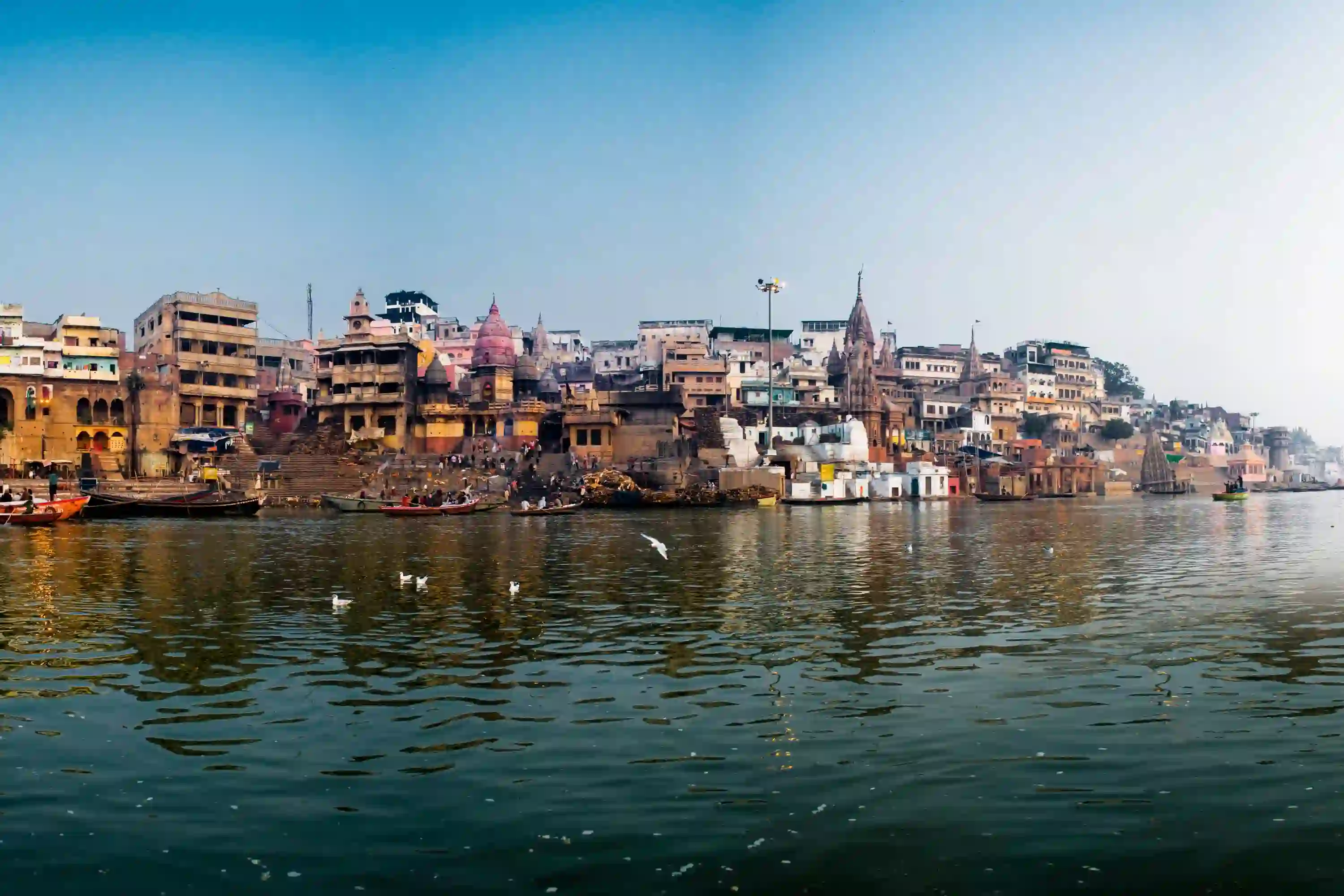
Delhi Agra Jaipur Varanasi Golden Triangle Tour: Complete India Travel Guide
A Delhi Agra Jaipur Varanasi Golden Triangle Tour is an unforgettable way to experience some of North India's most important historical, cultural, spiritual, and architectural destinations in one journey. The classic Golden Triangle connects Delhi, Agra, and Jaipur, while Varanasi adds an entirely different dimension through its ancient ghats, spiritual traditions, Ganges rituals, temples, and vibrant old-city atmosphere. Instead of experiencing only royal palaces and Mughal monuments, this extended route allows travelers to see several contrasting sides of India.
Delhi introduces the journey with its mixture of ancient monuments and modern urban life. Agra brings the Taj Mahal, one of the world's most recognizable monuments, along with Agra Fort and other Mughal landmarks. Jaipur then takes you into Rajasthan's royal world of forts, palaces, bazaars, and colorful traditions. Finally, Varanasi offers a deeply spiritual experience along the River Ganges, where sunrise boat rides and evening Ganga Aarti create memories that feel completely different from the sightseeing experiences earlier in the journey.
Because Varanasi is outside the traditional three-city circuit, this itinerary is better understood as a Golden Triangle with Varanasi tour rather than a conventional Golden Triangle package. The extra destination does add transportation time, but for travelers interested in India's culture and spirituality, the additional journey can be well worth it.
What Is a Delhi Agra Jaipur Varanasi Tour?
The route generally connects Delhi → Agra → Jaipur → Varanasi → Delhi, although the order can be modified depending on flights and train availability.
Each destination has a distinct identity.
Delhi is the historical and political heart of the itinerary. Agra is associated primarily with Mughal architecture and the Taj Mahal. Jaipur represents Rajasthan's royal heritage, while Varanasi is one of India's most important spiritual destinations.
The result is a journey that combines architecture, history, religion, cuisine, markets, photography, and local culture.
For a first-time visitor to India, this can be a particularly rewarding itinerary because it does not present India as one single experience. Instead, it shows how dramatically the country's atmosphere can change from one city to another.
Recommended 8-Day Itinerary
| Day | Destination | Main Experiences |
|---|---|---|
| Day 1 | Delhi | Old Delhi and New Delhi sightseeing |
| Day 2 | Delhi → Agra | Travel to Agra, Agra Fort, local sightseeing |
| Day 3 | Agra → Jaipur | Sunrise Taj Mahal, Fatehpur Sikri, Jaipur |
| Day 4 | Jaipur | Amber Fort, City Palace, Jantar Mantar, Hawa Mahal |
| Day 5 | Jaipur → Varanasi | Travel to Varanasi |
| Day 6 | Varanasi | Sunrise boat ride, ghats, temples, Ganga Aarti |
| Day 7 | Varanasi | Sarnath and additional local experiences |
| Day 8 | Varanasi → Delhi | Return to Delhi and departure |
This eight-day version provides a much more comfortable experience than trying to squeeze all four destinations into five or six days.
If you have only six or seven days, the itinerary can be shortened, but you will spend a larger percentage of the trip traveling.
Day 1: Explore Delhi
Begin your Delhi Agra Jaipur Varanasi Golden Triangle Tour in Delhi.
Delhi deserves more than a few hours, but with a carefully organized itinerary, you can experience several of its most important attractions in one day.
Start with Qutub Minar or Humayun's Tomb, depending on your interests and hotel location. Continue toward central Delhi for India Gate and other important landmarks before exploring Old Delhi later in the day.
Old Delhi offers a completely different experience. The narrow streets around Chandni Chowk are packed with shops, food stalls, historic buildings, and local activity.
If you enjoy Indian cuisine, this is an excellent opportunity to try traditional street foods with a knowledgeable local guide.
Delhi Attractions to Prioritize
With limited time, focus on a small number of attractions rather than attempting to visit everything.
Qutub Minar is ideal for architecture lovers. Humayun's Tomb offers beautiful Mughal architecture and gardens. Red Fort provides a connection to Delhi's Mughal history, while Jama Masjid and Chandni Chowk reveal the character of Old Delhi.
India Gate is easy to incorporate into a drive through New Delhi.
The goal is not to complete a checklist. It is to understand Delhi's character before continuing toward Agra.
Day 2: Delhi to Agra
Leave Delhi early on Day 2 and travel to Agra by private vehicle or train.
The choice depends on your travel style.
A private car offers greater flexibility, while trains can be efficient for the Delhi-Agra connection. If you are traveling independently, check current train schedules before finalizing your itinerary.
After reaching Agra, check into your hotel or leave your luggage at the property.
Spend the afternoon exploring Agra Fort.
The massive red sandstone complex provides a fascinating introduction to Mughal imperial history. You can explore courtyards, palaces, audience halls, mosques, and viewpoints overlooking the Yamuna.
If time allows, visit Mehtab Bagh around sunset for a distant view of the Taj Mahal.
Keep the evening relaxed because the next morning should begin early.
Day 3: Sunrise Taj Mahal and Jaipur
Day 3 is one of the highlights of the entire journey.
Wake up before sunrise and visit the Taj Mahal.
The official Taj Mahal website currently states that the monument opens 30 minutes before sunrise and closes 30 minutes before sunset. It is closed to general visitors on Fridays.
An early visit can be particularly rewarding because the morning light creates beautiful conditions for photography and sightseeing.
Take time to appreciate the marble inlay, calligraphy, carved screens, gardens, arches, and the overall symmetry of the monument.
Do not rush through the experience.
The Taj Mahal is one of those places where looking beyond the famous postcard view makes the visit more meaningful.
Taj Mahal Ticket and Visiting Information
Current official information lists the foreign visitor entry fee at ₹1,100, with an additional ₹200 charge for visitors entering the main mausoleum. The listed fee for Indian/OCI visitors is ₹50, with the same additional mausoleum charge where applicable. Children below 15 are currently listed as having free entry.
Because prices and procedures can change, check the official website before traveling.
The official site also provides online ticketing information.
After visiting the Taj Mahal, return to your hotel for breakfast before starting the journey toward Jaipur.
Fatehpur Sikri En Route to Jaipur
A stop at Fatehpur Sikri can make the journey more interesting.
The historic Mughal city was developed under Emperor Akbar and is famous for its red sandstone architecture.
The complex provides an interesting contrast with the white marble Taj Mahal.
Spend a reasonable amount of time here rather than allowing the stop to dominate the entire day.
After sightseeing, continue toward Jaipur.
Evening in Jaipur
Arrive in Jaipur in the evening and keep the schedule light.
You can visit a local market, photograph Hawa Mahal from the outside, enjoy dinner at a rooftop restaurant, or relax at your hotel.
This slower evening is valuable because Day 4 will involve extensive sightseeing.
Day 4: Full-Day Jaipur Sightseeing
Jaipur is where the itinerary changes character.
The Mughal architecture of Agra gives way to Rajasthan's royal forts, palaces, bazaars, and colorful traditions.
Start with Amber Fort.
The hilltop location creates an impressive setting, while the fort's courtyards, gateways, palace rooms, and decorative architecture offer plenty to explore.
After Amber Fort, continue to City Palace, Jantar Mantar, and Hawa Mahal.
Amber Fort
Amber Fort is one of Jaipur's essential attractions.
Give yourself enough time to walk through the courtyards and palace areas instead of simply taking photographs from the entrance.
The surrounding hills also create excellent photography opportunities.
Visit early when possible, particularly during warmer months.
City Palace
City Palace offers insight into Jaipur's royal heritage.
Its museums and palace areas contain collections connected with royal life, textiles, weapons, manuscripts, costumes, and decorative arts.
If you are interested in Rajasthan's history, this can be one of the most informative stops of the day.
Jantar Mantar
Jantar Mantar provides a completely different experience.
The astronomical observatory contains large-scale instruments used for measuring time and studying celestial positions.
It demonstrates that Jaipur's heritage extends beyond forts and palaces.
Hawa Mahal
Finish your main sightseeing around Hawa Mahal and Jaipur's old city.
The elaborate façade is one of India's most recognizable architectural images.
The surrounding markets are ideal for shopping for textiles, handicrafts, jewelry, traditional clothing, and souvenirs.
Day 5: Jaipur to Varanasi
Day 5 is primarily a transportation day.
The easiest option is usually a flight because Varanasi is significantly farther from Jaipur than the previous destinations.
Depending on your travel dates and available services, you can also consider rail travel.
Avoid scheduling too many attractions on this day.
The biggest mistake travelers make on multi-city India tours is assuming that transportation takes only the time shown on a ticket. You also need to consider hotel check-out, airport or station transfers, security, waiting time, and local traffic.
Once you reach Varanasi, check into your hotel and head toward the Ganges if time permits.
Your first experience of the city may be completely different from everything you have seen so far.
Day 6: Sunrise Boat Ride and Varanasi Ghats
Wake up before sunrise.
A sunrise boat ride on the Ganges is one of the most memorable experiences you can add to this itinerary.
As the sun rises, the ghats gradually become illuminated. Boats move along the river while pilgrims, residents, priests, photographers, and visitors begin their day.
The atmosphere is difficult to compare with Delhi, Agra, or Jaipur.
This is the moment when the itinerary changes from sightseeing to cultural immersion.
Exploring the Ghats
Varanasi is famous for its ghats, the riverside steps leading toward the Ganges.
Each area has its own character.
Some ghats are associated with religious rituals, some with cremation traditions, and others with bathing, ceremonies, festivals, or everyday life.
Visitors should behave respectfully, particularly near religious ceremonies and cremation areas.
Photography should always be approached with sensitivity.
Ganga Aarti
In the evening, attend the Ganga Aarti.
The ceremony involves lamps, chanting, bells, music, and ritual offerings along the river.
The atmosphere can be powerful, particularly if you arrive early enough to find a suitable viewing position.
Rather than treating the ceremony as a simple photographic opportunity, observe quietly and respectfully.
This experience often becomes one of the strongest memories of a Varanasi visit.
Day 7: Varanasi and Sarnath
Use Day 7 to explore more of Varanasi.
You can visit temples, walk through selected parts of the old city, explore local markets, or return to the riverfront.
Another important excursion is Sarnath, located near Varanasi.
Sarnath is associated with the Buddha's first sermon after enlightenment and is an important Buddhist pilgrimage destination.
For travelers interested in history and religion, Sarnath adds another dimension to the Varanasi experience.
Instead of spending the entire day moving between attractions, allow some time to simply experience the city.
Varanasi rewards slow observation.
Day 8: Varanasi to Delhi
Your final day depends on your departure arrangements.
If your international flight leaves Delhi later in the day, arrange an early flight or train connection from Varanasi with enough buffer time.
If your departure is early the following morning, spending your final night in Delhi can be safer and less stressful.
Avoid booking a tight same-day international connection unless you have carefully considered potential transportation delays.
A well-planned final day should feel calm rather than stressful.
Best Transportation for This Tour
For a Delhi Agra Jaipur Varanasi Golden Triangle Tour, a combination of private car, train, and domestic flight can work particularly well.
A practical combination is:
- Private car: Delhi → Agra → Jaipur
- Flight: Jaipur → Varanasi
- Flight or train: Varanasi → Delhi
This reduces long overland journeys while preserving flexibility where it matters most.
A completely private-car itinerary is possible, but the Jaipur-to-Varanasi journey is long enough that many travelers will prefer flying.
How Many Days Are Best?
If you want a relaxed experience, 8 to 10 days is ideal.
A six-day itinerary is possible for travelers with limited time, but it will involve more transportation and less free time.
Seven days can work well if you focus only on the major attractions.
Eight days provides a much better balance.
Ten days allows you to add experiences such as Ranthambore, additional Jaipur sightseeing, or an extra night in Varanasi.
Can You Add Ranthambore?
Yes.
If wildlife is important to you, adding Ranthambore National Park creates an exciting extension.
A longer route could look like:
Delhi → Agra → Ranthambore → Jaipur → Varanasi → Delhi
However, this should ideally be a 9- or 10-day itinerary rather than a compressed week-long tour.
Ranthambore is especially attractive to travelers who want to combine India's architectural heritage with wildlife.
A safari also changes the rhythm of the vacation. After several days of monuments and cities, being surrounded by forests and searching for wildlife provides a refreshing contrast.
Best Time for Delhi Agra Jaipur Varanasi Tour
The cooler months are generally comfortable for a multi-city sightseeing trip because the itinerary involves extensive outdoor exploration.
Winter mornings can sometimes be hazy in Delhi and Agra, which may influence visibility around the Taj Mahal.
Summer can be very hot, making early-morning sightseeing particularly important.
The monsoon season brings rainfall but can also create greener landscapes.
Regardless of the season, early starts are useful.
The Taj Mahal, Amber Fort, Agra Fort, and Varanasi ghats are much more enjoyable when you avoid the strongest afternoon heat.
What to Pack
Pack for multiple environments rather than bringing an enormous suitcase.
Comfortable walking shoes are essential.
You should also consider:
- Lightweight clothing
- A light jacket during cooler months
- Sunscreen
- Sunglasses
- Hat
- Reusable water bottle
- Small daypack
- Phone charger
- Personal medications
- Modest clothing for religious sites
Keep your luggage organized because you will change hotels several times.
For the Taj Mahal, travel light and check current security restrictions before visiting.
Golden Triangle with Varanasi for Couples
Couples can enjoy this itinerary particularly well because it combines romance with culture.
The Taj Mahal provides the obvious highlight, while Jaipur offers beautiful heritage properties and rooftop restaurants.
Varanasi provides something deeper.
A private sunrise boat ride, a quiet evening beside the Ganges, and the atmosphere of the old city can create memorable experiences that are very different from traditional sightseeing.
For couples, the best itinerary is not necessarily the one containing the largest number of attractions.
It is the one that leaves enough time to enjoy the moments between them.
Golden Triangle with Varanasi for Families
Families can also enjoy the route, but transportation should be planned carefully.
Children may enjoy the forts and palaces of Jaipur more than long historical explanations.
The Taj Mahal provides an exciting visual experience, while a boat ride in Varanasi can become a memorable family activity.
Avoid overcrowding the itinerary.
Build in breaks, keep snacks available, and use private transportation where possible.
Older children may particularly enjoy learning about the contrasting histories of Mughal Agra, royal Jaipur, and spiritual Varanasi.
Golden Triangle with Varanasi: Private Tour or Independent Travel?
A private tour is generally the easiest option for first-time visitors.
You have a driver, organized transfers, and the ability to adjust the sightseeing schedule.
A local guide can also explain the historical and cultural context of each attraction.
Independent travel can be cheaper and rewarding for experienced travelers, particularly those comfortable with India's railways, local taxis, and changing schedules.
The right choice depends on your travel personality.
If you want maximum flexibility with minimum logistical stress, choose private transportation.
If you enjoy planning your own journey and solving travel logistics, independent travel can be an adventure in itself.
Golden Triangle and Varanasi Tour Cost
The total cost depends heavily on the hotel category, number of travelers, transportation, guides, entrance tickets, meals, and season.
| Travel Style | Typical Features |
|---|---|
| Budget | 3-star hotels, standard transport, selected self-guided sightseeing |
| Mid-range | 4-star hotels, private car, guides, breakfast |
| Luxury | 5-star or heritage hotels, premium vehicles, private guides, customized experiences |
Always check exactly what a tour package includes.
A low headline price can exclude entrance tickets, airport transfers, domestic flights, guide fees, meals, or parking.
A slightly higher package may actually provide better value if essential services are already included.
Why Choose This Extended Golden Triangle?
The traditional Golden Triangle is already an excellent introduction to India.
Adding Varanasi transforms it into something more comprehensive.
You experience:
Delhi: India's capital, historical monuments, Old Delhi and modern urban culture.
Agra: Mughal architecture and the Taj Mahal.
Jaipur: Rajasthan's royal forts, palaces, markets and traditions.
Varanasi: Spiritual traditions, the Ganges, ghats, ceremonies and ancient cultural heritage.
It is almost like reading four different chapters of Indian history in one journey.
Final Travel Tips
Book major transportation ahead of time, particularly during busy travel periods.
Check the Taj Mahal's weekly closure before finalizing your route.
Start monument visits early.
Keep your itinerary flexible enough to accommodate traffic and transportation delays.
Choose hotels based on location as well as price.
Dress respectfully when visiting religious sites.
Be sensitive around religious ceremonies and cremation areas in Varanasi.
Do not attempt to see every attraction.
Most importantly, leave space for spontaneous experiences.
Sometimes the most memorable part of an India trip is not the monument you planned to visit but the unexpected street, meal, conversation, or sunset you discovered along the way.
Conclusion
A Delhi Agra Jaipur Varanasi Golden Triangle Tour is much more than an extended sightseeing circuit. It is a journey through several distinct sides of India, beginning with Delhi's historical and modern energy, continuing to Agra's extraordinary Mughal architecture, moving into Jaipur's royal Rajasthan, and finishing in the spiritual atmosphere of Varanasi.
For most travelers, an 8-day itinerary provides the best balance. It gives you enough time to visit the Taj Mahal without rushing, explore Jaipur's major attractions, experience Varanasi at sunrise and sunset, and travel between cities without turning every day into a transportation marathon.
If you have additional time, consider extending the journey to include Ranthambore National Park. This adds wildlife to an itinerary already rich in architecture, history, and spirituality.
The result is a journey that feels remarkably complete. You see monuments, palaces, forts, markets, temples, rivers, and historic neighborhoods—but you also experience the dramatic differences in atmosphere between India's major cultural regions.
FAQs
1. How many days are needed for Delhi, Agra, Jaipur and Varanasi?
An 8-day itinerary is a comfortable choice for first-time visitors. Six or seven days is possible, but the schedule will be more rushed because Varanasi requires additional transportation.
2. Can I visit the Taj Mahal and Varanasi on the same trip?
Absolutely. Combining the Taj Mahal with Varanasi is one of the best ways to experience both India's Mughal heritage and its spiritual traditions in one vacation.
3. What is the best route for a Golden Triangle with Varanasi?
A practical route is Delhi → Agra → Jaipur → Varanasi → Delhi. This minimizes unnecessary backtracking and works well when combining road travel with a domestic flight.
4. Can I add Ranthambore to this itinerary?
Yes. If you want to include Ranthambore, extending the trip to around 9–10 days is preferable. This gives you enough time for the safari without sacrificing the main Golden Triangle attractions.
5. Is Varanasi suitable for first-time visitors to India?
Yes, but Varanasi is more intense and culturally different from Delhi, Agra, and Jaipur. Visitors should remain respectful around religious ceremonies, ghats, temples, and cremation areas. A knowledgeable local guide can make the experience considerably easier to understand.

 English
 Arabic
 French
 Portuguese
 Deutsch
 Turkish
 Dutch
Dutch
 Italiano
 Russian
 Romaian
 Portuguese (Brazil)
 Greek
Greek