


What Questions Should You Ask a Plastic and Cosmetic Surgeon?
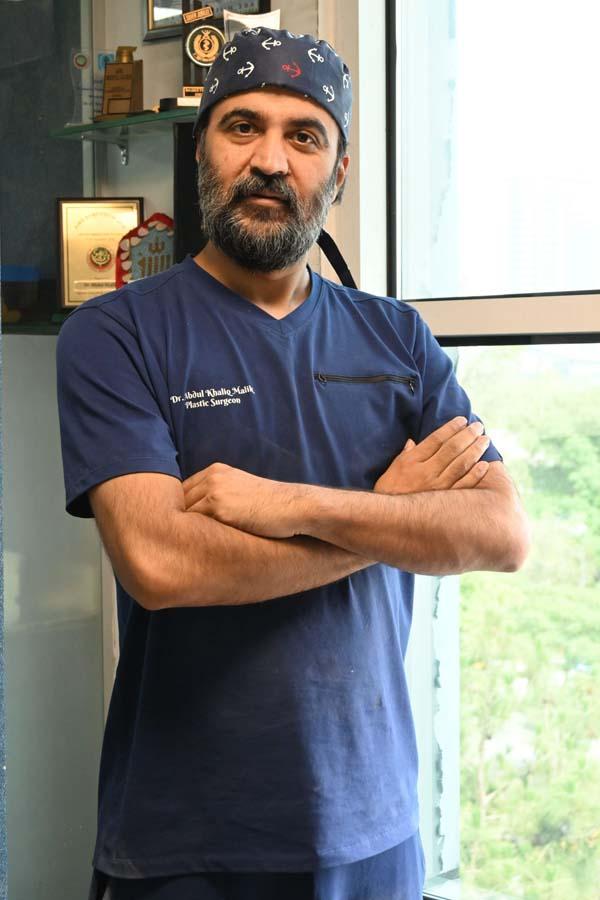
Choosing cosmetic treatment is an important personal decision. Whether you are considering liposuction, body contouring, or another cosmetic procedure, it is helpful to understand the treatment before making a final choice. One of the best ways to become informed is to have an open conversation with a qualified medical professional.
A consultation with a plastic and cosmetic surgeon gives you an opportunity to ask questions about your treatment. You can learn about the procedure, possible results, recovery, risks, preparation, and aftercare. Asking clear questions can also help you understand whether the treatment is suitable for your individual goals.
You should never feel uncomfortable asking questions during a consultation. Good communication helps you make a decision based on accurate information rather than assumptions.
Why Should You Ask Questions During a Consultation?
Every person has a different body, medical history, and reason for considering cosmetic treatment. A procedure that may be suitable for one person may not be appropriate for another.
Asking questions helps you understand how a treatment may work for you. It also gives you a chance to discuss your expectations and learn about possible limitations.
A consultation should be a two-way conversation. The medical professional should listen to your concerns and explain the treatment in language that you can understand.
What Are Your Qualifications and Experience?
One of the first questions you can ask is about the medical professional's qualifications and experience.
You can ask about their medical training, professional qualifications, and experience with the procedure you are considering.
Experience with a particular procedure can be important because different cosmetic treatments require different skills and knowledge.
You should feel comfortable asking for clear information about professional training and experience before deciding to proceed.
How Often Do You Perform This Procedure?
It can also be useful to ask how frequently the professional performs the treatment you are considering.
Someone who regularly performs a particular cosmetic procedure may have more experience with the specific steps involved. You can ask how long they have been performing the procedure and how often they perform it.
This information can help you understand their level of experience.
Am I a Suitable Candidate?
Not everyone is a good candidate for every cosmetic procedure. Your health, age, body condition, skin quality, medical history, and expectations may all affect your suitability.
Ask directly whether the procedure is appropriate for you.
A qualified plastic and cosmetic surgeon should assess your individual situation rather than simply agreeing to treatment without proper evaluation.
What Results Can I Realistically Expect?
Another important question is about the expected results.
It is helpful to understand what the procedure can realistically achieve. Cosmetic treatments can improve certain areas, but they cannot always create the exact appearance a person imagines.
Ask what type of improvement may be possible and whether there are limitations you should know about.
Having realistic expectations can help you feel more prepared for the final result.
What Are the Possible Risks?
Every medical procedure has possible risks. You should ask about them before making a decision.
Ask what complications may occur, how common they are, and what steps are taken to reduce the risks.
You should also ask what symptoms may require immediate medical attention after treatment.
Understanding the possible risks does not mean that you should avoid treatment. It means you are making your decision with better information.
What Type of Anesthesia Will Be Used?
Depending on the procedure, different types of anesthesia or sedation may be used.
Ask what type will be used during your treatment and why it is appropriate for your procedure.
You can also ask who will administer and monitor the anesthesia if it is required.
Understanding this part of the procedure can help you feel more comfortable and prepared.
How Should I Prepare Before Treatment?
Preparation can vary depending on the procedure.
Ask whether you need to change any medications, stop smoking, avoid alcohol, adjust your diet, or follow any other instructions before treatment.
If you take prescription medicines, vitamins, or supplements, tell your medical professional about them.
Never stop prescribed medication without professional advice.
How Long Will the Procedure Take?
The length of a cosmetic procedure can vary depending on the treatment and the number of areas involved.
Ask how long your procedure is expected to take. This can help you plan your day and arrange transportation if necessary.
You can also ask whether you will need to stay at the medical facility for observation after the procedure.
What Will Recovery Be Like?
Recovery is an important part of cosmetic treatment. Ask how long you may need to recover and what you can expect during the first few days and weeks.
You may experience swelling, bruising, soreness, or temporary changes depending on the procedure.
Ask when you can return to work, exercise, driving, and other normal activities.
Understanding the recovery process before treatment can help you plan your schedule.
Will I Need Someone to Help Me After Treatment?
Some procedures may make it difficult to perform normal activities immediately afterward.
Ask whether you will need someone to take you home or stay with you during the early recovery period.
If you have children, work responsibilities, or household duties, planning for help in advance can make recovery easier.
What Aftercare Will I Need?
Aftercare instructions can play an important role in recovery.
Ask about wound care, bathing, compression garments, medicines, physical activity, follow-up visits, and other recovery requirements.
Make sure you understand the instructions before leaving the consultation.
If something is unclear, ask the medical professional to explain it again.
How Many Follow-Up Appointments Will I Need?
Follow-up appointments allow your recovery to be monitored.
Ask how often you will need to return for checkups and how long follow-up care may continue.
These visits can also give you an opportunity to discuss any concerns that develop during recovery.
What Happens If I Am Not Happy With the Results?
Although cosmetic procedures are planned carefully, the final result may not always look exactly as expected.
Ask what happens if you are not satisfied with the outcome. You can discuss whether additional treatment may ever be considered and what factors could affect that decision.
This conversation can help you understand the possible options before treatment.
Will the Results Be Permanent?
The answer depends on the type of procedure.
Ask how long you can expect the results to last and whether lifestyle changes can affect them.
For body contouring procedures, maintaining a stable weight and healthy lifestyle can be important for supporting the results over time.
Understanding this before treatment can help you develop realistic long-term expectations.
What Will the Total Cost Include?
Cost is another important topic to discuss.
Ask for a clear explanation of what is included in the total price. Depending on the procedure, expenses may involve consultation, professional fees, facility charges, anesthesia, medicines, follow-up visits, or recovery items.
A low initial price may not always represent the complete cost.
Understanding the full financial commitment can help you plan properly and avoid unexpected expenses.
Are There Alternative Treatments?
It is also reasonable to ask whether there are alternatives to the procedure you are considering.
Depending on your goals, another treatment or a non-surgical option may sometimes be more appropriate.
A professional should explain the available choices and help you understand the potential benefits and limitations of each option.
You do not need to choose a procedure simply because you came for a consultation.
What Happens If I Decide Not to Have Treatment?
You can also ask what may happen if you decide not to proceed.
This question can help you understand whether treatment is medically necessary, optional, or mainly intended for cosmetic improvement.
For elective cosmetic procedures, taking time to think about your decision is completely reasonable.
You should never feel pressured to make a quick decision.
What Should I Bring to the Consultation?
Before your appointment, ask whether you need to bring any medical records or information.
It can be useful to have a list of medicines and supplements you currently take. You should also be prepared to explain your medical history and any previous procedures.
Writing down your questions before the appointment can help you remember everything you want to discuss.
How Can You Communicate Your Desired Results?
It is important to explain what you want to change.
Use simple and clear language to describe the areas that concern you and the type of improvement you hope to achieve.
You can also ask the medical professional to explain what is realistically possible.
Good communication helps both sides understand the treatment goals.
Why Trust and Communication Matter
Feeling comfortable with your medical professional is important when considering cosmetic treatment.
You should feel that your questions are taken seriously and that information is explained clearly.
A good consultation should allow you to discuss your concerns without feeling rushed or pressured.
If you do not understand something, ask for clarification. Your health and safety should always come first.
Questions Are Part of Making an Informed Decision
Asking questions does not mean that you are difficult or uncertain. It means that you want to understand your treatment before making a decision.
A consultation with a plastic and cosmetic surgeon should give you useful information about the procedure, expected results, recovery, risks, and costs.
The more clearly you understand the process, the better prepared you can be.
Final Thoughts
Before choosing cosmetic treatment, take time to ask important questions. Ask about qualifications, experience, candidacy, expected results, risks, anesthesia, preparation, recovery, aftercare, follow-up appointments, alternatives, and total cost.

 English
 Arabic
 French
 Spanish
 Portuguese
 Deutsch
 Turkish
 Dutch
Dutch
 Italiano
 Russian
 Romaian
 Greek
Greek