


Benefits of WPC Doors for Modern Homes: A Practical Guide for Better, Longer-Lasting Interiors
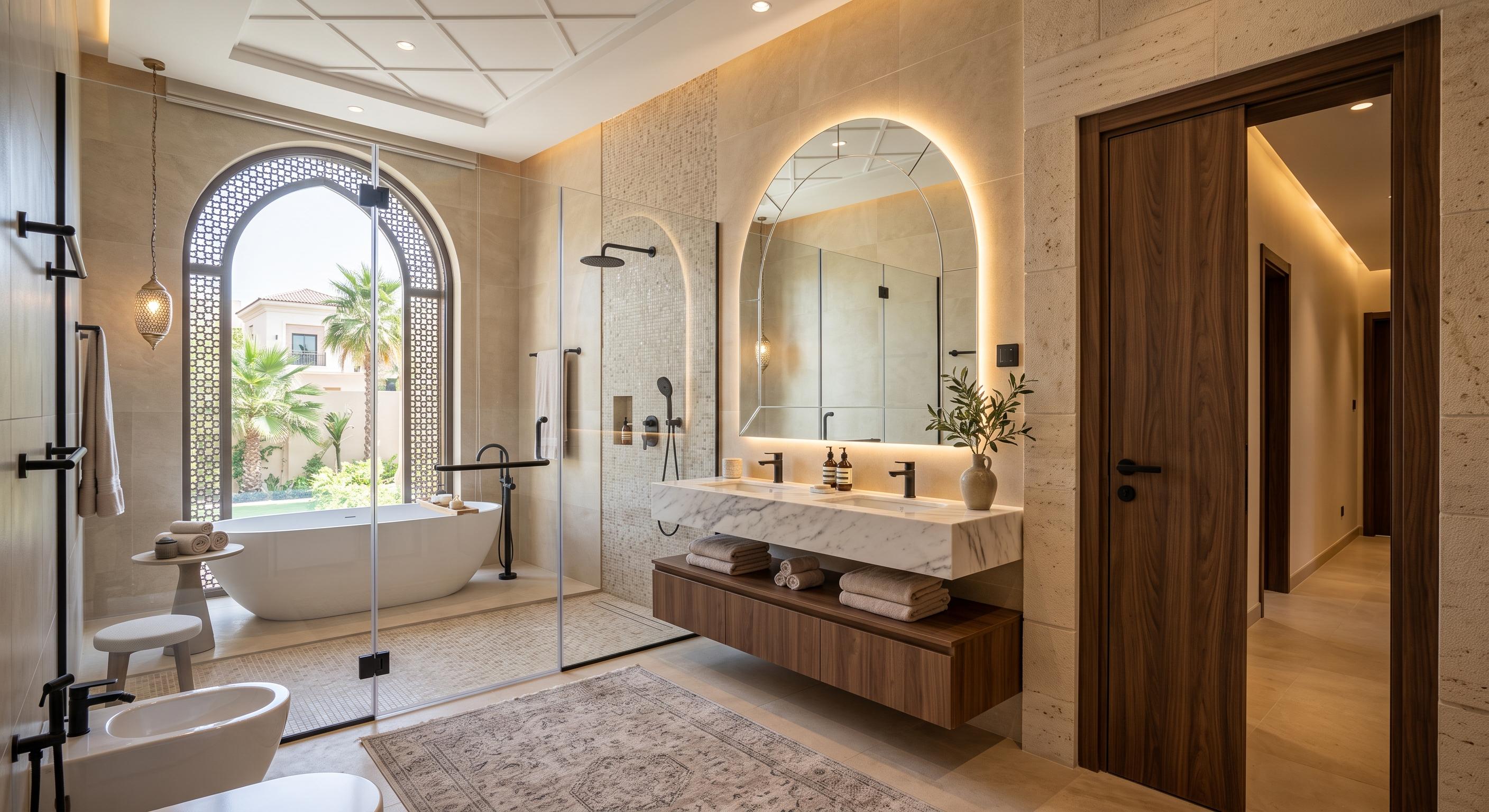
Choosing a door for a modern home is not only about finding a design that looks attractive. A good door also needs to handle everyday moisture, provide privacy, require reasonable maintenance, and remain dependable for years.
This is one reason WPC (Wood Plastic Composite) doors have become an increasingly practical option for homeowners looking for an alternative to conventional wooden doors. WPC combines wood-based material with thermoplastic polymers, creating a composite that can offer useful resistance to moisture, insects, and everyday wear when it is properly manufactured and installed. Research from the U.S. Forest Service also shows that the performance of WPC depends on its composition and environmental exposure, so product quality and the intended application still matter.
For homeowners in Riyadh and other areas where door materials may be exposed to heat, dust, humidity, cleaning moisture, or demanding daily use, choosing a suitable door material can make a noticeable difference.
Here are the key benefits to consider before choosing WPC doors for your home.
What Are WPC Doors?
WPC stands for Wood Plastic Composite. Instead of being made entirely from natural timber, WPC is produced by combining wood fibers or wood flour with thermoplastic material and processing the mixture into a composite product.
The result is a material designed to retain some of the visual character associated with wood while providing properties that can be useful in demanding environments.
However, not every WPC door is identical. Different manufacturers use different formulations, densities, surface finishes, cores, additives, and manufacturing methods. That means homeowners should always check the actual product specifications rather than assuming every WPC door offers exactly the same level of performance.
1. Waterproof and Moisture-Resistant
Moisture is one of the biggest concerns when choosing doors for bathrooms, kitchens, laundry areas, and other spaces where splashes or humidity are common.
Traditional wood can absorb water. Repeated exposure to moisture may contribute to swelling, dimensional changes, deterioration, or other maintenance problems. WPC can reduce these concerns because the thermoplastic component can limit moisture uptake compared with untreated wood. Research on WPC durability confirms that plastic can provide resistance to moisture uptake, although WPC should not be treated as completely immune to moisture-related deterioration.
This is why WPC doors are often considered for moisture-prone areas.
The important point is to look beyond the word "waterproof." Ask the supplier whether the specific door model is suitable for bathrooms, wet areas, or exterior use, and whether the complete door system including the frame, edge treatment, surface and hardware is designed for that application.
Practical solution: If your existing wooden bathroom door is swelling, sticking, or showing moisture damage, a properly specified moisture-resistant WPC door may be a more suitable option.
2. Termite and Pest Resistance
Termites can be a serious concern wherever wood-based materials are used. A conventional timber door can provide organic material that certain wood-destroying insects can attack.
WPC changes the material composition by combining wood particles with plastic. Research on wood-plastic composites has examined their resistance to insect attack and biological deterioration, while commercial WPC door products commonly specify termite resistance as a product feature.
That makes WPC particularly appealing to homeowners who want to reduce one of the common maintenance concerns associated with conventional wood doors.
Still, it is important not to confuse termite-resistant with termite-proof under every possible condition. The performance depends on the particular composite formulation and construction.
Practical solution: When comparing WPC doors, ask for the manufacturer's termite-resistance specifications and pay attention to the complete door and frame system rather than evaluating the door slab alone.
3. Environmentally Friendly Composition
The environmental benefits of WPC are more nuanced than simply calling the material "green."
WPC can incorporate wood fibers and, depending on the product and manufacturing process, recycled or secondary materials. Research on WPC life cycles has investigated the environmental implications of using secondary materials and different end-of-life pathways. One life-cycle assessment found that WPC made from secondary materials can have environmental advantages, while also noting that end-of-life recycling remains an important consideration.
This means the environmental value of a WPC door depends heavily on what goes into it, how it is manufactured, how long it lasts, and what happens to it at the end of its service life.
For homeowners, the practical takeaway is simple: ask about recycled content, material composition, certifications, and disposal or recycling options instead of relying only on an "eco-friendly" label.
Practical solution: Choose a supplier that can explain the composition of the WPC material and provide product information rather than making unsupported environmental claims.
4. Low Maintenance
A beautiful door loses its appeal when it constantly needs sanding, repainting, polishing, or repair.
One of the practical advantages associated with WPC doors is their relatively low maintenance requirement. Commercial WPC door specifications commonly highlight low-maintenance performance, while the composite structure can help avoid some of the routine surface-care issues associated with untreated natural wood.
For everyday cleaning, the exact care instructions should come from the manufacturer because finishes and surface treatments can differ.
The benefit becomes especially useful in busy households. A door that can be kept clean with routine care is easier to live with than one that requires frequent refinishing to maintain its appearance.
Practical solution: Before purchasing, ask how the surface should be cleaned, whether repainting is required, and which cleaning products should be avoided.
5. Fire Resistance and Safety
Fire performance is an area where homeowners should be particularly careful with marketing language.
A WPC door should not automatically be considered fireproof simply because it is made from WPC. Fire performance depends on the formulation, additives, door construction, core, thickness, hardware, and most importantly the testing and certification of the complete door assembly.
Some commercially available WPC doors are specifically manufactured with fire-retardant properties. But a fire-retardant product is not necessarily the same thing as a certified fire-rated door.
If fire safety is a requirement for your project, look for documented fire-test results and the applicable fire rating for the complete door assembly.
Practical solution: Never choose a door for a fire-sensitive area based only on the phrase "fire resistant." Ask for the actual certification, test standard, and rating of the specific door system.
6. Aesthetic Versatility and Customization Options
Performance is important, but homeowners also want doors that fit the style of their homes.
Modern WPC doors are available in different surface finishes, colors, wood-look textures, panel configurations, and contemporary designs. Depending on the manufacturer, customization may include dimensions, decorative patterns, surface finishes, and CNC-designed details.
That flexibility makes WPC suitable for more than one design style.
A minimalist home might benefit from a flat-panel door in a muted finish, while a more traditional interior can use a wood-grain texture or decorative panel design.
The key is to choose a finish that works with the surrounding architecture instead of treating the door as an isolated feature.
Practical solution: Consider the floor, wall colors, furniture, skirting, and other doors in the property before selecting the WPC finish. A coordinated finish will make the door feel like part of the home's design rather than an afterthought.
7. Soundproofing and Thermal Insulation
A door can influence how comfortable a room feels, but WPC itself should not automatically be described as "soundproof" or "thermally insulating" without considering the full door construction.
Sound reduction depends on factors such as door mass, core construction, seals, frame installation, and gaps around the door. Thermal performance similarly depends on the door's material, thickness, core, frame and sealing.
Some solid WPC door constructions are marketed for sound insulation and can provide useful performance, but homeowners should look for tested specifications when acoustic or thermal performance is a major priority.
A badly fitted door can undermine the benefits of a good door material. Even a strong door may allow sound, dust, or conditioned air through gaps around the frame.
Practical solution: If privacy, noise reduction, or indoor comfort is important, ask about the door's acoustic or thermal specifications and make professional installation part of the decision not an afterthought.
8. Long Lifespan and Cost-Efficiency
The cheapest door is not necessarily the most economical door.
A better way to evaluate cost is to consider the total ownership experience: purchase price, installation, maintenance, repairs, refinishing, replacement, and expected service life.
WPC can be attractive from this perspective because its resistance to moisture, insects, and routine wear can reduce some common maintenance concerns. However, long-term performance still depends on product quality, installation, environmental exposure, and correct use. Research on WPC durability emphasizes that the material can deteriorate under certain combinations of moisture, sunlight, temperature, biological exposure, and other environmental factors.
That is why a high-quality product installed correctly can be a better investment than choosing a door based only on its initial price.
Practical solution: When comparing doors, ask for the complete cost including frame, hardware, installation, maintenance requirements, warranty, and any relevant performance certifications.
Where Do WPC Doors Make the Most Sense?
WPC doors can be particularly useful in areas where moisture, routine cleaning, insects, or frequent use are concerns.
Common applications may include:
- Bathroom doors
- Kitchen and utility-area doors
- Bedroom and living-area interior doors
- Office and study doors
- High-use residential spaces
- Projects requiring customizable modern finishes
The right application ultimately depends on the specific WPC product and its manufacturer-approved use.
For homeowners in Riyadh, it is also worth considering the local environment and the exact location of the door. An interior bathroom door has very different requirements from an entrance exposed to direct sunlight and outdoor conditions.
How to Choose the Right WPC Door for Your Home
Before making a purchase, do not focus only on appearance. Use a simple checklist:
Start with the location. Decide whether the door will be installed in a dry interior room, bathroom, kitchen, utility area, or exterior location.
Check the material specification. Ask what the WPC is made from and whether the manufacturer provides technical information.
Verify performance claims. For fire, sound, thermal, water, or termite resistance, ask for product-specific evidence instead of relying solely on advertising language.
Look at the complete system. The frame, hinges, seals, hardware, surface finish, and installation all influence real-world performance.
Think about maintenance. Find out how the door should be cleaned and whether its finish requires special care.
Choose a suitable design. Match the color, texture, panel style, and hardware with your existing interior.
Do not ignore installation. Accurate fitting helps the door operate correctly and can improve sealing, durability, privacy, and overall appearance.
Why WPC Doors Can Be a Smart Choice for Modern Homes
The appeal of WPC doors is not based on one single feature. It comes from the combination of practical characteristics.
Depending on the product specification, WPC can offer useful moisture resistance, termite resistance, low maintenance, versatile finishes, and long-term durability. Its environmental profile can also be favorable when responsibly sourced or manufactured with appropriate secondary materials, although environmental performance should always be assessed based on the actual product and its life cycle.
For homeowners, the biggest advantage may simply be having a door that better matches the realities of everyday life: cleaning, humidity, insects, busy rooms, changing design preferences, and the desire to avoid unnecessary maintenance.
The important thing is to choose based on verified performance and the needs of your space, not marketing claims alone.
If you are exploring professionally installed options, Mod Doors Riyadh offers WPC door services with consultation, customization, installation, and maintenance support for residential and commercial projects in Riyadh.
For homeowners comparing materials and designs, you can explore their Best WPC doors service to see what options may suit your project.
Final Thoughts
The best door is not simply the one that looks good in a showroom. It is the one that continues to perform well in the room where you actually use it.
For modern homes, WPC doors can provide an attractive balance between contemporary appearance and practical performance. Their resistance to common problems such as moisture and termites, combined with low maintenance and flexible design options, makes them worth considering for many residential applications.
Before choosing one, however, compare the actual specifications, confirm the intended use, check certifications for performance-critical requirements, and make sure the door is professionally installed.
A thoughtful choice at the beginning can mean fewer maintenance headaches and a better-looking, more functional home for years to come.
Frequently Asked Questions About WPC Doors
1. What are WPC doors made of?
WPC stands for Wood Plastic Composite. WPC doors are manufactured using a combination of wood-based fibers or flour and thermoplastic materials. The exact composition varies between manufacturers, so it is worth checking the product specifications before purchasing.
2. Are WPC doors waterproof?
WPC doors are generally designed to have good resistance to moisture and water compared with many conventional wood products. However, homeowners should not assume that every WPC door is suitable for constant water exposure. Always confirm whether the specific door is approved for bathrooms, wet areas, or exterior applications.
3. Are WPC doors resistant to termites?
Many WPC door products are designed to resist termite and insect-related damage. Their composite construction can make them less vulnerable to problems commonly associated with untreated natural wood. The actual level of resistance depends on the product formulation and construction.
4. Are WPC doors suitable for bathrooms?
Yes, WPC doors can be a practical choice for bathrooms because of their moisture-resistant properties. They can help avoid some of the swelling and deterioration concerns associated with conventional wooden doors. The specific product should still be confirmed as suitable for bathroom use.
5. Do WPC doors require a lot of maintenance?
No. One of the main practical advantages of WPC doors is their relatively low maintenance requirement. Routine cleaning is generally sufficient, although the correct cleaning method depends on the door's surface finish and the manufacturer's care instructions.

 English
 Arabic
 French
 Spanish
 Portuguese
 Deutsch
 Turkish
 Dutch
Dutch
 Italiano
 Romaian
 Portuguese (Brazil)
 Greek
Greek