


EICR London for Rental Properties, Flats and Managed Buildings
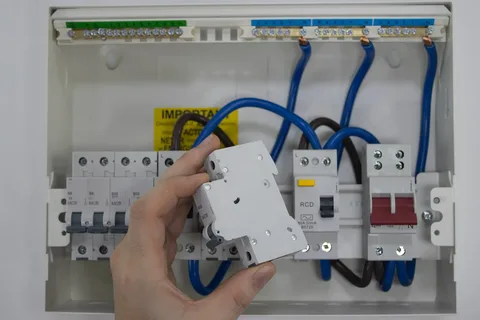
Electrical installations in rental homes and managed buildings can remain in daily use for years while hidden faults develop behind sockets, inside consumer units or along fixed wiring. Lights may still work, appliances may still run and tenants may notice nothing unusual, yet the installation can still contain issues that need professional attention.
For landlords, managing agents, freeholders and property managers, arranging an EICR London service provides a formal assessment of the condition of the fixed electrical installation. An Electrical Installation Condition Report records what the electrician finds, identifies defects and helps establish whether remedial work is needed.
This is particularly useful in flats, rental properties and managed blocks where one person or organisation may be responsible for several electrical installations at the same time.
What an EICR Checks
An EICR is designed to assess the condition of an existing electrical installation.
The electrician may inspect and test:
-
Consumer units
-
Distribution boards
-
Fixed wiring
-
Socket circuits
-
Lighting circuits
-
Earthing arrangements
-
Protective bonding
-
RCD protection
-
Circuit identification
-
Accessible accessories
-
Signs of overheating
-
Electrical damage
-
Protective devices
The inspection is more detailed than simply checking whether the lights and sockets work.
Professional EICR testing London combines visual checks with electrical measurements that can identify faults that are not obvious during normal use.
Why Rental Properties Need Regular Electrical Checks
Rental properties change over time.
Tenants move in and out, appliances change and alterations may be carried out during refurbishment. Sockets can become damaged, circuits may be extended and older electrical equipment can deteriorate.
A Landlord EICR London inspection provides a documented record of the condition found at the time of testing.
For landlords managing several properties, this also creates a useful maintenance record.
Each property can be tracked by:
-
Address
-
Inspection date
-
Overall result
-
Defects found
-
Required repairs
-
Completion of remedial work
-
Supporting documents
This can reduce confusion when several reports are being managed at once.
EICR Testing for Flats
Flats often have smaller electrical installations than large houses, but that does not mean the inspection is less important.
A typical flat may contain:
-
One consumer unit
-
Socket circuits
-
Lighting circuits
-
Cooker supply
-
Electric shower
-
Heating circuits
-
Smoke alarm supplies
-
Extractor fans
Converted buildings can be more complicated because different flats may have been altered at different times.
Professional EICR inspection London work can help identify whether later changes have affected the condition of the installation.
Managed Buildings Need Organised Testing
Managing agents and freeholders may be responsible for multiple flats, communal areas or both.
That can involve several different electrical systems within one building.
For example, a managed block may contain:
-
Individual flat installations
-
Communal lighting
-
Emergency lighting supplies
-
Door entry systems
-
Electric gates
-
Plant room circuits
-
Landlord distribution boards
Each installation may need to be considered separately.
An organised electrical installation condition report London programme can make it easier to track which areas have been inspected and what further work is needed.
Understanding the EICR Result
EICR reports use observation codes to show the seriousness of the defects found.
| Code or Result | General Meaning |
|---|---|
| C1 | Danger is present and urgent action is needed |
| C2 | A potentially dangerous condition has been identified |
| C3 | Improvement is recommended |
| FI | Further investigation is required |
| Satisfactory | No observations making the report unsatisfactory were recorded |
| Unsatisfactory | One or more findings require action or further investigation |
The electrician should explain these findings clearly.
A technical code alone may not mean much to a landlord or managing agent unless they understand what part of the installation is affected and what repair is recommended.
What Can Make an EICR Unsatisfactory?
An unsatisfactory report does not always mean the whole property needs rewiring.
Sometimes only a few specific defects are responsible.
Examples can include:
-
Exposed live parts
-
Poor earthing
-
Inadequate bonding
-
Damaged wiring
-
Defective RCDs
-
Loose connections
-
Unsafe accessories
-
Faulty protective devices
-
Electrical damage
-
Unverified faults requiring investigation
Once the electrician identifies the issue, the property owner can arrange targeted remedial work.
This is usually more useful than assuming every unsatisfactory EICR report London means major electrical replacement.
C1 Observations Need Immediate Attention
A C1 observation indicates that danger is present.
These findings require urgent action because the defect may expose occupants or contractors to immediate electrical risk.
Examples could involve accessible live parts or another condition creating direct danger.
Where a C1 issue is found during EICR testing, the electrician should explain the problem and what immediate steps are required.
Landlords should not delay dealing with this type of finding.
C2 Observations Indicate Potential Danger
A C2 observation means the condition is potentially dangerous.
It may not present immediate danger in the same way as a C1 issue, but it still requires corrective work.
Several different electrical faults can fall into this category depending on the condition and installation.
An electrical safety certificate London provider should explain the reason for the code rather than leaving the landlord to interpret technical wording alone.
C3 Recommendations Are Different
A C3 observation means improvement is recommended.
This distinction matters because landlords sometimes assume that every recommendation makes an EICR fail.
The report outcome depends on the nature of the observations recorded.
C3 items are still useful because they can guide future upgrades, but they are not the same as C1 or C2 findings.
A professional EICR certificate should make these differences clear.
What Does FI Mean?
FI means further investigation is required.
An electrician may use this classification when testing identifies something that cannot be safely or fully explained during the initial inspection.
For example, an unusual test result may need additional investigation before the electrician can determine the cause.
Property owners should not ignore FI observations.
The next step is usually further testing or investigation so the condition can be properly understood.
Consumer Units Receive Close Attention
The consumer unit is one of the main parts examined during an EICR inspection.
The electrician may assess:
-
Enclosure condition
-
Circuit breakers
-
RCDs
-
Main switches
-
Circuit labels
-
Signs of overheating
-
Loose parts
-
Unused openings
-
Earthing connections
Older consumer units are not automatically unsafe simply because they are old.
The electrician should assess their actual condition and the protection provided.
Recommendations should be based on the installation rather than age alone.
Earthing and Bonding Matter
Earthing and bonding help reduce electrical risk when a fault occurs.
Poor or missing arrangements can result in serious findings on an electrical installation condition report certificate.
The electrician may check:
-
Main earthing conductor
-
Circuit protective conductors
-
Main bonding
-
Earth continuity
If these systems are inadequate, remedial work may be required before the installation can be treated as satisfactory.
RCD Testing
Residual Current Devices are designed to disconnect electrical circuits quickly under certain fault conditions.
During EICR testing London, the electrician may test whether installed RCDs operate correctly.
Older installations may have limited RCD protection, while newer ones may use several devices across different circuits.
The report should record the condition found and identify areas where protection is inadequate or faulty.
This can be especially relevant in rental properties where electrical systems may have been altered over many years.
Access Can Affect the Quality of the Inspection
Electrical testing requires access.
If tenants are not available, rooms are locked or consumer units cannot be reached, parts of the installation may remain untested.
This can affect the completeness of the EICR report London.
Managing agents can help by arranging access in advance and telling tenants when testing is due.
Useful preparation can include:
-
Ensuring all rooms are accessible
-
Locating consumer units
-
Providing access codes or keys
-
Informing tenants about temporary power interruption
-
Removing obstructions around electrical boards
This can make the visit more efficient and reduce the chance of a repeat appointment.
Common Defects Found in Rental Properties
Rental homes often develop similar electrical issues through age, use and previous alterations.
| Common Finding | Typical Next Step |
|---|---|
| Damaged socket | Repair or replacement |
| Loose connection | Correct and retest |
| Missing circuit labels | Update identification |
| Faulty RCD | Replace and test |
| Inadequate bonding | Corrective work |
| Damaged wiring | Repair affected section |
| Signs of overheating | Investigate and repair |
| Unsafe accessory | Replace |
| Abnormal test result | Further investigation |
| Exposed live part | Immediate corrective action |
A detailed EICR certificate London should record these findings clearly enough for the property owner to act on them.
EICR Testing for HMOs
HMOs can place heavier demand on electrical systems because more people may use shared kitchens, bathrooms and communal areas.
They may also contain more electrical equipment than a standard rental flat.
A landlord electrical safety certificate London inspection can help identify issues before they develop into larger problems.
Access is particularly important in HMOs because the electrician may need to inspect several bedrooms and shared areas during the same visit.
If some rooms cannot be accessed, sections of the installation may remain unverified.
Managing Several EICRs at Once
Property managers responsible for multiple flats can benefit from a simple tracking system.
A register might include:
-
Property address
-
Tenant or access contact
-
EICR date
-
Report result
-
Defects
-
Repair status
-
Completion documents
-
Next inspection information
This can make EICR certificates London much easier to manage across a portfolio.
It can also reduce the risk of important remedial work being overlooked among emails, invoices and separate reports.
Electrical Testing in Communal Areas
Managed buildings may require electrical testing outside individual flats as well.
Communal areas can contain:
-
Lighting circuits
-
Socket circuits
-
Door entry systems
-
Plant supplies
-
Fire safety equipment supplies
-
Landlord distribution boards
The electrical arrangement should be understood before testing begins.
An electrician carrying out EICR London work in a communal building may need access to electrical cupboards, risers and plant areas.
Managing agents should provide this access wherever possible.
EICR Versus Other Electrical Certificates
An EICR is not the same as every other type of electrical documentation.
An electrical installation condition report certificate assesses an existing installation.
New installation work or certain alterations may require different certification.
Landlords should explain what electrical work has taken place before asking for an electrical safety certificate so the correct document can be identified.
This is especially useful after remedial works, consumer unit replacements or major alterations.
What Happens After Remedial Work?
An EICR identifies faults, but the report itself does not repair them.
Once remedial work is completed, the landlord should retain the related electrical documentation alongside the original report.
This creates a clearer record showing:
-
What was wrong
-
What work was completed
-
When it was completed
-
Who carried out the work
For property managers, keeping the original EICR report London and later repair documents together can make future inspections easier.
Choosing an EICR Provider Near Me
Anyone searching for EICR near me should consider the quality of the testing and reporting rather than choosing purely by price.
Useful questions include:
-
Is the quotation based on property size?
-
Does it include full testing?
-
Will a written report be supplied?
-
How are defects explained?
-
Can remedial work be quoted separately?
-
What access is required?
-
How are multiple flats scheduled?
An EICR should provide useful information about the installation, not just a piece of paperwork.
Why Clear Reporting Matters
Landlords and managing agents often need to explain electrical defects to owners, tenants or maintenance contractors.
A clear report makes this easier.
Technical observations should identify the location of the issue and describe why further work is required.
A good EICR certificate London service should leave the responsible person with a clear understanding of what was tested and what needs to happen next.
This is especially helpful where several properties are being inspected together.
EICR Services for Managed Properties Across London
Safety Spectrum London provides EICR inspections and electrical testing for landlords, managing agents, homeowners and businesses across London. Their team can assess flats, rental properties and managed buildings, prepare the relevant report and explain any electrical observations found during testing.
Property owners looking for professional EICR London services can contact Safety Spectrum London on
Company Name: Safety Spectrum London
Address: 58a Tudor Road Hayes UB3 2QD
Phone: +44 20 4628 6504
Email: info@safetyspectrumlondon.co.uk

 English
 Arabic
 French
 Spanish
 Portuguese
 Turkish
 Dutch
Dutch
 Italiano
 Russian
 Romaian
 Portuguese (Brazil)
 Greek
Greek