


How Flood Risk Assessments Help Communities Plan Ahead
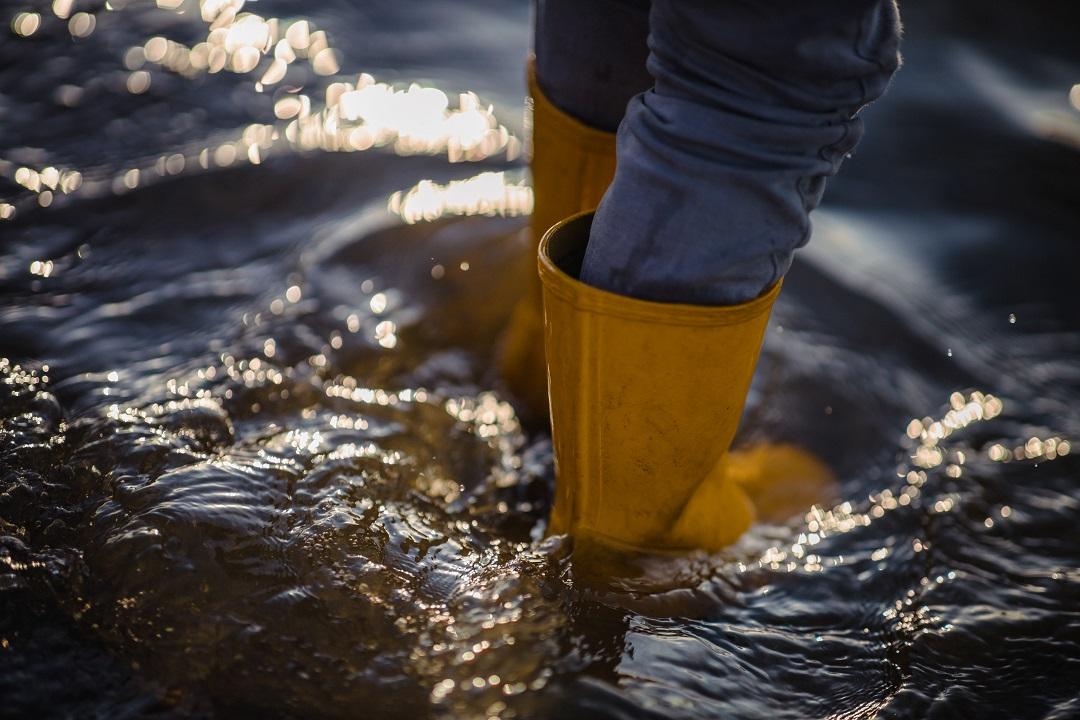
Flooding can happen quickly, but preparing for it does not have to. Communities that understand where flood risks exist and how those risks may change over time are better positioned to protect people, infrastructure, businesses, and public resources. Flood risk assessments provide the information needed to identify potential hazards, evaluate vulnerabilities, and make informed decisions before a flood occurs.
Rather than waiting for a major event to expose weaknesses, communities can use flood risk assessments to plan improvements, guide development, and strengthen emergency preparedness.
Understanding Where Flood Risks Exist
One of the most important benefits of a flood risk assessment is identifying areas that may be vulnerable to flooding. Assessments can examine factors such as rainfall patterns, drainage systems, rivers, streams, elevation, land use, and existing flood protection infrastructure.
This information helps communities develop a clearer picture of where flooding is most likely to occur and which areas could experience the greatest impacts. Understanding these risks provides a foundation for making better decisions about future projects and community development.
Supporting Better Infrastructure Planning
Infrastructure plays a major role in how communities respond to heavy rainfall and flooding. Roads, bridges, stormwater systems, drainage channels, utilities, and public facilities can all be affected when floodwaters exceed existing capacity.
Flood risk assessments help planners evaluate how infrastructure may perform under different flood conditions. This information can guide decisions about drainage improvements, roadway design, flood protection measures, and other infrastructure investments.
Instead of addressing problems only after damage occurs, communities can prioritize improvements where they are most needed.
Guiding Safer Development
New development can change how water moves across a landscape. Expanding buildings, roads, and paved surfaces may increase runoff and place additional pressure on existing drainage systems.
Flood risk assessments can help communities understand these potential impacts before approving development projects. Planners can use assessment findings to support appropriate site planning, drainage strategies, and development requirements.
This proactive approach can reduce future flood exposure while allowing communities to grow responsibly.
Improving Emergency Preparedness
Flood risk information is also valuable during emergency planning. Communities need to know which neighborhoods, roads, facilities, and critical services could be affected when severe flooding occurs.
Assessment results can help emergency managers identify vulnerable locations and consider evacuation routes, emergency access, shelter locations, and communication strategies.
Having this information before a flood happens can make emergency response more organized and reduce confusion during a crisis.
Protecting Critical Community Assets
Some facilities are especially important during emergencies. Hospitals, fire stations, police facilities, water infrastructure, electrical systems, schools, and transportation networks may need to remain operational during and after a flood.
A flood risk assessment can help identify whether these critical assets are exposed to potential hazards. Communities can then prioritize protective measures, upgrades, or alternative strategies to improve resilience.
Protecting critical infrastructure can also help communities recover more quickly after a major flood.
Supporting Long-Term Resilience
Flood risk is not necessarily static. Changes in development, drainage patterns, weather conditions, and infrastructure can influence how flood hazards affect a community over time.
Regularly evaluating flood risks allows communities to update their plans as conditions change. This supports long-term resilience rather than relying on outdated assumptions.
Planning ahead can also help communities make more strategic use of limited budgets by addressing high-priority risks before they become costly emergencies.
Making More Informed Decisions
Flood risk assessments turn complex information into useful insights for community leaders, engineers, planners, and residents. By understanding potential flood hazards and their consequences, decision-makers can compare options and determine where investments can have the greatest benefit.
The goal is not simply to predict where water might go. It is to understand what could be affected and determine practical ways to reduce those impacts.
Planning Today for a More Resilient Tomorrow
Flooding may not always be preventable, but its impacts can often be reduced through thoughtful preparation. Flood risk assessments help communities plan ahead by identifying vulnerabilities, supporting infrastructure decisions, guiding development, improving emergency preparedness, and protecting critical assets.
By understanding flood risks before disaster strikes, communities can make informed investments and build strategies that support safer, more resilient places for years to come.

 English
 Arabic
 French
 Spanish
 Deutsch
 Turkish
 Dutch
Dutch
 Italiano
 Russian
 Romaian
 Portuguese (Brazil)
 Greek
Greek