


The Different Types of Security Services Available in the UK
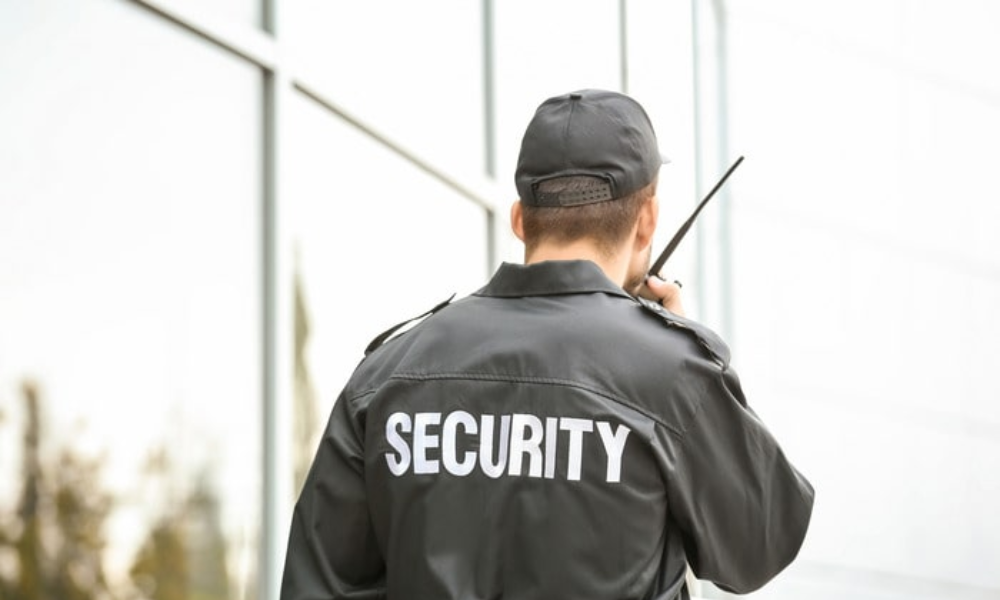
Security requirements vary considerably between businesses, properties and individuals across the UK. A retail store may need security guards to deter theft, while a construction site might require overnight patrols, key holding and alarm response. Offices, warehouses, residential developments, events and industrial sites can all face different risks.
The UK private security industry offers a wide range of services designed to protect people, premises and valuable assets. The Security Industry Authority (SIA) regulates several activities, including security guarding, door supervision, close protection, public-space CCTV, key holding and cash and valuables in transit. Understanding the different options can help businesses choose security services that match their specific requirements.
Security Guarding and Manned Security
Security guarding is one of the most widely used security services in the UK. Trained officers can remain on-site to monitor entrances, patrol premises, check visitors and respond to suspicious activity. A visible guard can also provide an important deterrent against theft, vandalism and unauthorised access.
Manned guarding can be adapted to different environments. Businesses may require reception security during working hours, overnight protection for commercial premises or dedicated officers for warehouses and construction sites. The SIA's current data shows that security guarding is one of the largest regulated areas of the UK private security industry.
Mobile Security Patrols
Mobile patrols provide security without requiring an officer to remain at a property continuously. Trained officers visit a site at scheduled or varying intervals, checking entrances, doors, windows, boundaries and other vulnerable areas.
This service can be useful for business parks, warehouses, construction sites, vacant properties and organisations with several locations. Industry providers commonly combine mobile patrols with key holding, alarm response and CCTV to create a more flexible security solution.
Key Holding and Alarm Response
Key holding services involve a professional security provider securely holding authorised keys or access devices for a client's premises. If an alarm is activated outside normal working hours, an agreed response procedure can be followed without requiring a business owner or employee to attend the property.
This can be particularly valuable for businesses that operate during the day but need protection overnight. Professional alarm response can also help secure premises following an incident, while providing the business with an organised alternative to relying on employees for emergency call-outs.
CCTV Monitoring and Surveillance
CCTV has become an important part of modern security strategies. Cameras can monitor entrances, car parks, warehouses, retail areas and other vulnerable locations, helping businesses identify suspicious activity and review incidents.
Professional CCTV monitoring can add another layer of protection by allowing trained operators to observe relevant activity and escalate concerns according to established procedures. Public-space surveillance using CCTV is one of the activities regulated by the SIA, so businesses should understand the licensing requirements when choosing relevant services.
Door Supervision
Door supervision is particularly relevant to pubs, clubs, hotels, entertainment venues and events. Door supervisors can manage access, monitor behaviour and help maintain a safe environment within their responsibilities.
The role involves more than simply checking people at an entrance. Professional door supervisors may need to deal with challenging situations, manage conflict and support venue procedures. Where the role falls within licensable activities, the appropriate SIA licence is required.
Event Security
Events can create unique security challenges because large numbers of people may gather in one location for a limited period. Concerts, festivals, exhibitions, corporate events and private functions may require additional personnel to manage entrances, monitor crowds and protect restricted areas.
Event security can include door supervision, access management, crowd monitoring and protection for staff or guests. The exact requirements depend on the venue, expected attendance, event type and potential risks. Businesses should also distinguish between general event stewards and security roles that require an SIA licence.
Close Protection Services
Close protection, sometimes referred to as personal protection, is designed to protect individuals who may face particular security risks. This service can be relevant to high-profile executives, public figures, celebrities or individuals travelling in environments where additional protection is required.
Close protection professionals can plan movements, assess potential risks and provide personal security during travel, appearances and other activities. Close protection is a regulated activity under the SIA, and individuals performing relevant licensable duties require the appropriate licence.
Cash and Valuables in Transit
Businesses that regularly transport cash, precious goods or other valuable items may require specialist security services. Cash and valuables in transit services are designed to protect valuable property while it is being transported between locations.
This is a specialist area requiring appropriately trained personnel and suitable procedures. The SIA includes cash and valuables in transit among the regulated private security activities, making licensing and professional standards particularly important when selecting a provider.
Choosing a Security Company in the UK
When choosing a Security Company in the UK, businesses should first identify their main risks and then select services that address those risks. Factors such as property size, opening hours, valuable assets, previous incidents, access points and staffing requirements can all influence the right security solution.
Businesses should also check the qualifications and SIA licensing requirements relevant to the services being provided. The SIA operates an Approved Contractor Scheme, and its public register allows organisations to check approved contractors and the specific activities for which they are approved. Choosing a provider based on experience, service quality, supervision and reliability rather than price alone can lead to more effective long-term protection.
Combining Different Security Services
Businesses do not necessarily have to choose just one type of security service. A layered approach can combine physical security with technology and response services to address different risks across the same property.
For example, a warehouse could use static guards during working hours, mobile patrols overnight, CCTV monitoring and professional key holding. Combining services in this way can provide continuous protection while allowing businesses to focus resources on areas and times where security risks are greatest.
Conclusion
The UK security industry provides a broad range of services, from traditional security guarding and mobile patrols to CCTV monitoring, key holding, door supervision, event security and close protection. Each service serves a different purpose, and the right combination depends on the organisation's individual security requirements.
Businesses should begin by assessing their risks and identifying which people, properties and assets require protection. By selecting appropriately trained professionals and checking relevant SIA licensing or approval, organisations can build a practical security strategy that provides stronger protection and greater peace of mind.

 English
 Arabic
 French
 Spanish
 Portuguese
 Deutsch
 Turkish
 Dutch
Dutch
 Italiano
 Romaian
 Portuguese (Brazil)
 Greek
Greek