


How Terpene Profiles, Cannabinoid Content, and Processing Affect THCa Product Selection
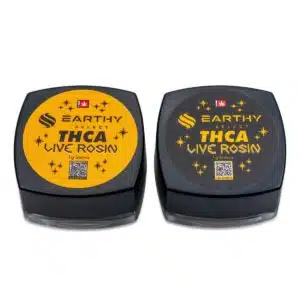
A THCa product can look impressive on paper and still deliver a very different experience from another product with nearly identical cannabinoid numbers. The difference often begins long before the final product reaches a package. Genetics, terpene preservation, cannabinoid concentration, extraction methods, and post-processing all influence the characteristics of the finished product.
For buyers evaluating THCa products, understanding these variables makes selection more strategic. Instead of focusing exclusively on potency, examining the relationship between THCa live rosin on bulk, terpene profiles, cannabinoid content, and products such as THCa diamonds can provide a clearer picture of quality, consistency, and intended use.
Terpenes Add Another Layer Beyond Potency
Terpenes are aromatic compounds naturally produced by cannabis plants. They contribute significantly to a product's aroma and flavor, with profiles that may include citrus, pine, floral, herbal, earthy, spicy, or fuel-like characteristics.
When selecting THCa products, terpene composition can help distinguish products with similar cannabinoid concentrations. A product with a citrus-forward terpene profile, for example, can have a markedly different sensory character from one dominated by earthy or peppery compounds.
Processing also matters because heat, oxygen, light, and handling can affect terpene preservation. Products made with techniques designed to retain more of the plant's volatile compounds may offer a more pronounced aromatic profile. For buyers, laboratory testing and product information can therefore be useful indicators when terpene characteristics are an important selection factor.
Cannabinoid Content Helps Define Product Strength
THCa is the acidic precursor to THC. In its raw form, THCa is non-intoxicating, but heat can convert THCa into THC through a process known as decarboxylation.
Because cannabinoid concentration can vary substantially between products, checking laboratory results is essential. Potency information provides a useful benchmark for comparing products, but a higher percentage does not automatically mean a better product. Quality assessment should also consider cannabinoid diversity, terpene preservation, consistency, and processing.
For commercial buyers, consistent cannabinoid profiles can be particularly important. Batch-to-batch testing can help verify whether a product meets its stated specifications and whether its cannabinoid concentration remains within the expected range.
Processing Can Change the Final Product
Processing is one of the most important variables separating different THCa formats. Extraction and refinement techniques can influence texture, appearance, potency, terpene retention, and overall consistency.
Live rosin, for example, is produced using solventless methods and is generally valued for preserving characteristics of the starting material. When evaluating THCa live rosin on bulk buyers may consider factors such as starting material quality, extraction practices, terpene profile, consistency, and available test documentation.
Other products undergo additional refinement to isolate and concentrate specific cannabinoids. These processes can create products with different appearances and cannabinoid concentrations while producing a more standardized format.
Understanding how a product was processed allows buyers to connect the production method with the characteristics they actually want.
Understanding THCa Diamonds
THCa diamonds are highly concentrated crystalline forms of THCa. Their distinctive crystalline appearance is associated with a high concentration of THCa, making them particularly relevant for buyers who prioritize cannabinoid concentration.
However, concentration should not be evaluated in isolation. Buyers should examine laboratory results, purity information, terpene content, manufacturing practices, and consistency across batches.
The distinction between a highly refined concentrate and a terpene-rich extract is important. One may prioritize cannabinoid concentration, while another may emphasize preservation of aromatic compounds and characteristics from the original plant material.
How to Compare THCa Products More Effectively
A practical evaluation starts with the certificate of analysis (COA). Laboratory documentation can provide information about cannabinoid concentrations, terpene composition, contaminants, and other quality indicators.
Next, consider the intended product format. Buyers seeking concentrated cannabinoid content may evaluate crystalline products differently from those looking for terpene-rich extracts. Processing method should then be considered alongside the product's texture, appearance, consistency, and stated specifications.
For bulk purchasing, consistency becomes even more important. Reviewing multiple batch results, supplier documentation, storage practices, and testing procedures can help identify products that meet established quality expectations rather than relying solely on marketing claims.
Make Selection a Data-Driven Process
Choosing a THCa product is less about finding the highest number on a label and more about understanding what produced that number. Terpenes influence aromatic character, cannabinoid content provides a measure of concentration, and processing determines how the characteristics of the starting material are transformed into the final product.
Whether evaluating THCa live rosin on bulk for its solventless processing characteristics or THCa diamonds for their concentrated THCa content, informed selection requires looking beyond appearance and potency. Laboratory testing, processing details, terpene information, and batch consistency provide the foundation for making a more reliable purchasing decision.

 English
 Arabic
 Spanish
 Portuguese
 Deutsch
 Turkish
 Dutch
Dutch
 Italiano
 Russian
 Romaian
 Portuguese (Brazil)
 Greek
Greek