


How to Maintain Industrial Tools for Longer Tool Life
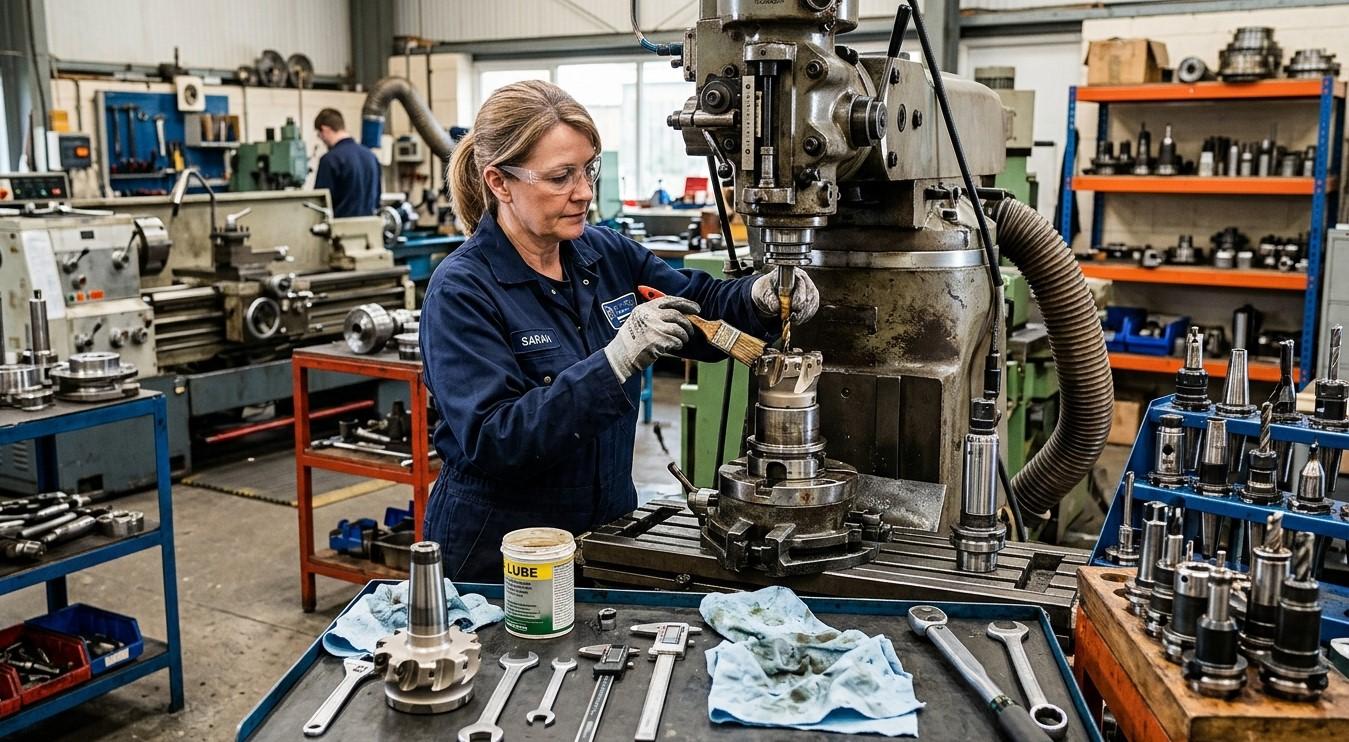
Industrial tools are essential for machining, manufacturing, maintenance, fabrication, assembly, and engineering operations. From cutting tools and precision measuring instruments to hydraulic equipment and hand tools, every tool represents an investment in productivity and operational efficiency. However, even high-quality tools can wear out prematurely if they are not properly maintained.
Regular tool maintenance can help extend service life, improve performance, reduce downtime, and control replacement costs. Proper cleaning, inspection, lubrication, storage, calibration, and correct usage all contribute to keeping industrial tools in good working condition.
For businesses searching for an Industrial Tools Supplier in Dubai, understanding how to maintain tools after purchase is just as important as selecting the right equipment. Khokhawala Trading LLC, an Industrial Tools Supplier in Dubai, provides industrial and engineering tools for a variety of workshop, machining, manufacturing, and maintenance applications.
This guide explains practical ways to maintain industrial tools and maximize their useful working life.
Why Industrial Tool Maintenance Is Important
Industrial tools often operate under demanding conditions. Cutting tools are exposed to heat and friction, hydraulic tools operate under high pressure, and measuring instruments require careful handling to maintain accuracy.
Without proper maintenance, tools can experience:
- Premature wear
- Reduced accuracy
- Corrosion
- Mechanical damage
- Poor machining performance
- Hydraulic leaks
- Increased downtime
- Higher replacement costs
- Inconsistent production quality
A planned maintenance routine helps identify problems before they become serious. Instead of waiting for a tool to fail, workshops can inspect equipment regularly and take corrective action.
1. Clean Tools After Use
One of the simplest ways to extend tool life is to clean tools after use.
Industrial operations can leave tools covered with:
- Metal chips
- Dust
- Oil
- Grease
- Coolant
- Abrasive particles
- Dirt
If these contaminants remain on a tool, they can contribute to corrosion, wear, or mechanical problems.
Cutting tools should be cleaned carefully to remove chips and residue. Hand tools should also be wiped down after use, particularly when they are exposed to moisture or chemicals.
Precision measuring instruments require especially careful cleaning because dirt between measuring surfaces can affect measurement results.
2. Inspect Tools Regularly
Regular inspection helps identify wear and damage before a tool becomes unusable.
During inspection, look for:
- Cracks
- Chips
- Dents
- Corrosion
- Worn cutting edges
- Damaged handles
- Loose components
- Hydraulic leaks
- Damaged electrical cables
- Excessive wear
The inspection frequency should depend on how often the tool is used and how demanding the application is.
Frequently used industrial tools may require inspection at the beginning or end of each working shift, while less frequently used equipment may be checked before operation.
3. Store Tools Properly
Proper storage is essential for extending tool life. Leaving tools exposed to moisture, dust, heat, or physical impact can cause unnecessary damage.
Workshops can use:
- Tool cabinets
- Toolboxes
- Tool carts
- Wall-mounted storage
- Tool racks
- Protective cases
Cutting tools should be stored in a way that prevents their cutting edges from contacting other tools.
Precision measuring instruments should be protected against impact and contamination. Where appropriate, they should be kept in protective cases when not being used.
Good storage also makes it easier for technicians to locate tools and identify missing equipment.
4. Prevent Corrosion
Corrosion can significantly reduce the useful life of metal tools. Moisture, humidity, chemicals, and improper storage can accelerate corrosion.
To reduce corrosion:
- Keep tools dry
- Wipe away moisture
- Use appropriate protective products where required
- Store tools in suitable conditions
- Avoid prolonged exposure to corrosive substances
- Inspect tools regularly for early signs of rust
If corrosion is discovered, it should be addressed according to the tool manufacturer's recommendations.
Corrosion prevention is particularly important in industrial environments where tools may be exposed to water, coolant, chemicals, or high humidity.
5. Lubricate Moving Components
Some industrial tools contain moving mechanical components that require lubrication.
Lubrication can help reduce:
- Friction
- Heat
- Wear
- Mechanical resistance
- Premature component failure
Examples of equipment that may require lubrication include certain hand tools, mechanical assemblies, hydraulic equipment, and machine accessories.
However, not every tool requires lubrication, and using the wrong lubricant can cause damage. Always follow the manufacturer's recommendations regarding lubricant type, quantity, and maintenance interval.
6. Maintain Industrial Cutting Tools
Cutting tools are subjected to significant mechanical and thermal stresses during machining. Proper maintenance can help maximize cutting performance and tool life.
Common industrial cutting tools include:
- End mills
- Drills
- Turning tools
- Milling cutters
- Reamers
- Boring tools
- Grooving tools
- Carbide inserts
Operators should regularly check cutting edges for wear, chipping, cracking, or other damage.
Monitor Tool Wear
Tool wear can affect:
- Dimensional accuracy
- Surface finish
- Cutting forces
- Machine load
- Production consistency
A worn tool should not simply be pushed beyond its useful operating range. Replacing or reconditioning it at the appropriate time can prevent damage to both the tool and workpiece.
7. Protect Carbide Cutting Tools
Carbide cutting tools are widely used in modern machining because of their hardness and wear resistance. However, carbide can be relatively brittle compared with tougher tool materials.
To help protect carbide tools:
- Avoid dropping them
- Store them securely
- Prevent cutting edges from contacting hard surfaces
- Use appropriate machining parameters
- Check tool holders for damage
- Avoid excessive vibration
- Monitor wear regularly
Proper handling is especially important for small-diameter carbide tools because their cutting edges can be vulnerable to impact.
8. Maintain Precision Measuring Tools
Precision measuring instruments require special attention because their primary purpose is accuracy.
Common precision measuring tools include:
- Vernier calipers
- Digital calipers
- Micrometers
- Dial indicators
- Height gauges
- Bore gauges
- Depth gauges
- Thread gauges
These tools should be kept clean and protected from impacts. Measuring surfaces should be free from chips, dirt, and other contaminants before taking measurements.
Calibration Is Essential
Regular calibration helps verify that a measuring instrument continues to provide reliable results.
Calibration requirements depend on:
- Instrument type
- Frequency of use
- Required accuracy
- Operating conditions
- Internal quality procedures
For businesses searching for a Precision Measuring Tools Supplier in Dubai, calibration capability and product quality are important considerations when selecting measuring equipment.
9. Maintain Hydraulic Tools Correctly
Hydraulic tools generate high forces through pressurized hydraulic fluid. Proper maintenance is essential for both performance and safety.
Common hydraulic equipment includes:
- Hydraulic jacks
- Hydraulic presses
- Hydraulic pullers
- Hydraulic torque wrenches
- Hydraulic pumps
- Hydraulic cylinders
- Hydraulic crimping tools
Inspect hydraulic tools for:
- Fluid leaks
- Damaged hoses
- Loose fittings
- Worn seals
- Cracked components
- Abnormal operation
Never operate hydraulic equipment beyond its rated pressure or load capacity.
Hydraulic hoses and connections should be checked regularly because damage to pressurized components can create serious hazards.
10. Use the Right Tool for the Job
One of the most effective ways to extend tool life is simply to use the correct tool for its intended application.
Using an inappropriate tool can lead to:
- Excessive wear
- Tool breakage
- Poor results
- Component damage
- Operator safety risks
For example, a general-purpose drill may not be suitable for a high-precision hole-making operation. Similarly, a standard hand tool should not be used for an application requiring controlled hydraulic force.
Before using a tool, verify its intended purpose, capacity, operating conditions, and compatibility.
11. Follow Recommended Cutting Parameters
For machining tools, correct cutting parameters have a major influence on tool life.
Important parameters include:
- Cutting speed
- Feed rate
- Depth of cut
- Radial engagement
- Axial engagement
- Coolant conditions
Running a cutting tool too aggressively can generate excessive heat and accelerate wear. Extremely conservative settings may reduce productivity unnecessarily.
Manufacturers should follow appropriate tooling recommendations and adjust parameters according to the workpiece, machine, tool geometry, and application.
12. Check Tool Holders and Accessories
Tool performance depends not only on the cutting tool itself but also on the supporting equipment.
Damaged or contaminated tool holders can cause:
- Runout
- Vibration
- Poor surface finish
- Uneven tool wear
- Reduced dimensional accuracy
Tool holders, collets, chucks, adapters, and other accessories should therefore be inspected and cleaned regularly.
A clean and secure connection helps maintain machining stability.
13. Avoid Overloading Tools
Every industrial tool has operating limits. Exceeding these limits can cause premature failure.
Always check:
- Maximum load
- Maximum pressure
- Maximum speed
- Maximum cutting depth
- Maximum material capacity
- Recommended operating conditions
For example, a hydraulic jack should never be used beyond its rated capacity. Similarly, a cutting tool should not be forced through material outside its intended application range.
Operating within recommended limits can significantly improve tool life.
14. Train Operators Properly
Tool maintenance is not only a maintenance department responsibility. Operators also play an important role in protecting equipment.
Employees should understand:
- Correct tool usage
- Basic inspection procedures
- Cleaning requirements
- Storage procedures
- Safety precautions
- Signs of tool wear
- When to report damaged equipment
Proper training can prevent misuse and reduce accidental tool damage.
15. Keep Maintenance Records
Maintaining records can help workshops identify recurring problems and plan replacements more effectively.
Records may include:
- Purchase date
- Tool type
- Usage frequency
- Inspection dates
- Calibration dates
- Maintenance performed
- Repairs
- Replacement dates
- Observed wear
For high-value or frequently used equipment, maintenance records can help businesses determine actual tool life and improve future purchasing decisions.
16. Replace Damaged Tools Promptly
Trying to continue using a damaged tool can create additional problems.
A damaged tool may:
- Produce inaccurate work
- Damage components
- Increase machine vibration
- Fail unexpectedly
- Create safety risks
Tools showing significant damage should be removed from service and assessed by qualified personnel. If the tool cannot be safely repaired or restored, it should be replaced.
Benefits of a Proper Tool Maintenance Program
A structured maintenance program can provide several long-term benefits.
Longer Tool Life
Regular cleaning, inspection, lubrication, and correct usage can reduce unnecessary wear.
Lower Operating Costs
Extending tool life reduces the frequency of replacement purchases.
Reduced Downtime
Preventive maintenance can identify problems before unexpected failures interrupt production.
Better Quality
Well-maintained tools are more likely to deliver consistent results.
Improved Safety
Regular inspection helps identify damaged tools before they create workplace hazards.
Better Productivity
Reliable tools allow technicians and operators to complete tasks without unnecessary interruptions.
Common Industrial Tool Maintenance Mistakes
Workshops should avoid common mistakes such as:
- Storing tools in damp environments
- Ignoring small signs of damage
- Using incorrect lubricants
- Skipping calibration
- Exceeding tool capacity
- Using worn cutting tools
- Mixing precision instruments with heavy tools
- Neglecting hydraulic hose inspections
- Failing to train operators
- Continuing to use damaged equipment
A simple maintenance checklist can help prevent many of these problems.
Choosing a Reliable Industrial Tools Supplier
Tool maintenance begins with purchasing appropriate equipment from a reliable supplier. Quality tools designed for the correct application can provide better long-term performance when properly maintained.
Businesses searching for an Industrial Tools Supplier UAE should consider product quality, technical specifications, availability, application suitability, and customer support.
Companies looking for an Engineering Tools Supplier in Dubai should also evaluate the supplier's range of cutting tools, measuring instruments, hydraulic equipment, hand tools, and other industrial products.
Khokhawala Trading LLC provides industrial and engineering tooling solutions for workshops, manufacturing facilities, maintenance teams, and other professional applications. Businesses can select tools according to their operational requirements and then establish suitable maintenance procedures to protect their investment.
Conclusion
Maintaining industrial tools properly is essential for achieving longer tool life, reliable performance, and lower operating costs. Simple practices such as regular cleaning, inspection, correct storage, lubrication, calibration, and proper handling can make a significant difference.
Cutting tools should be monitored for wear, precision measuring tools should be protected and calibrated, and hydraulic equipment should be inspected for leaks and damaged components. Most importantly, every tool should be used within its recommended operating limits and for its intended application.
For companies looking for an Industrial Tools Supplier in Dubai, Industrial Tools Supplier UAE, Engineering Tools Supplier in Dubai, or Precision Measuring Tools Supplier in Dubai, Khokhawala Trading LLC offers industrial and engineering tooling solutions for a variety of professional requirements.
A consistent maintenance program does more than extend tool life. It can also improve productivity, reduce downtime, maintain manufacturing accuracy, and help workshops get better long-term value from their industrial equipment.

 English
 Arabic
 French
 Spanish
 Deutsch
 Turkish
 Dutch
Dutch
 Italiano
 Russian
 Romaian
 Portuguese (Brazil)
 Greek
Greek