


African Bathroom Decor: The Real Guide to Tribal Shower Curtains, Mudcloth Bedding, and Prints That Actually Hold Up
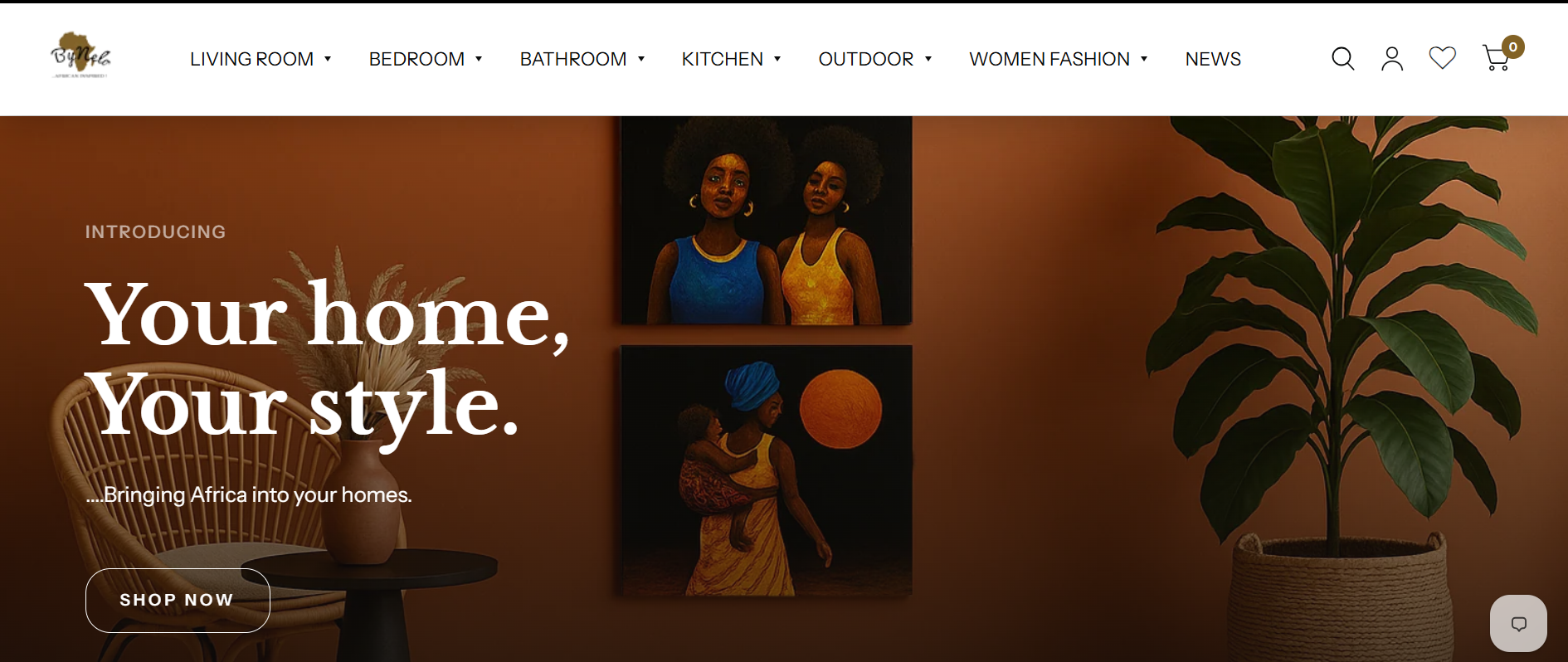
African bathroom decor centers on bold tribal shower curtains, mudcloth, Kente, Ankara, and bogolan patterns — applied to African shower curtains, bath mats, towels, and coordinating textiles. The best pieces use polyester or cotton-blend fabric rated for moisture, reinforced grommets, and dye processes that resist fading from steam and repeated washing. Quality separates a decor piece that lasts two years from one that peels or bleeds color after six washes.
A pattern that survives your bathroom is rarer than you'd think
Most African shower curtains die a slow death — not from use, but from moisture they were never built to handle. We've unboxed returns where the print had literally lifted off the vinyl backing after eight weeks in a steamy apartment bathroom. That's not a design failure. That's a fabric failure, and it's the single biggest thing shoppers overlook when they search for African bathroom decor.
At Bynelo, we've spent years sourcing and testing tribal and Ankara-print textiles specifically for wet, high-humidity rooms — which behave nothing like a living room curtain. By the end of this guide, you'll know exactly which fabric weights survive daily steam, how to layer mudcloth bedding and bath decor into one cohesive room, and which "authentic tribal print" claims online are marketing, not fact.
What Actually Counts as African Bathroom Decor?
"African bathroom decor" isn't one look — it's a family of textile traditions, each with a distinct visual signature.
The Four Print Families You'll See Most
-
Mudcloth (Bogolan): Hand-dyed cotton from Mali, traditionally fermented mud pigment on cream or rust backgrounds, geometric line-and-symbol patterns.
-
Kente-inspired: Bold woven-strip patterns from Ghana, typically bright golds, greens, and reds in repeating blocks.
-
Ankara/Dutch wax prints: High-contrast florals and geometrics, originally West African wax-resist textiles, now the most commonly reproduced print family in mass-market decor.
-
Kuba-inspired: Raffia-cloth geometric patchwork patterns from the Democratic Republic of Congo, denser and more textural than Kente.
Most shower curtains sold as "tribal" are actually digital reproductions of one of these four families printed onto polyester. That's not a knock — polyester holds color and resists mildew far better than natural fiber in a shower environment. But it does mean "authentic" and "durable" pull in different directions, and you should know which one you're prioritizing before you buy.
Why Fabric Weight Matters More Than Print Design
This is the section nobody selling shower curtains wants to talk about, because fabric weight is boring compared to pattern photos — but it's the actual determinant of whether your curtain looks good in month six.
GSM: The Number You Should Actually Check
Fabric weight is measured in GSM (grams per square meter). Curtains under 100 GSM feel flimsy, cling to your body in the shower, and show water spots. We manufacture our shower curtain line at a heavier weight specifically so the print sits flat against the fabric instead of pooling ink in the weave — a problem that shows up as blotchy, uneven color within the first month on lightweight stock.
The Grommet Test
Cheap grommets — the metal rings the curtain hooks pass through — rust within a season in a humid bathroom. Run a magnet over the grommets before buying online if the listing doesn't specify material. Rust-resistant grommets are usually brass-plated or coated steel, and they're worth the extra few dollars every time.
The Myth: "Real African Print" Only Means Wax-Print Cotton
A lot of competing guides insist that anything not made from genuine Dutch wax cotton isn't "real" African decor. That's not accurate, and it does shoppers a disservice.
Wax-print cotton is a textile tradition — it is not a bathroom-appropriate fabric. Cotton absorbs water, holds mildew, and fades under steam exposure far faster than treated polyester or poly-cotton blends. A shower curtain claiming "100% authentic wax cotton" is either lightly treated with a water-repellent finish (in which case, say so) or it's going to mold within a season. The honest position — the one we take with our own product development — is that home decor items in wet rooms should be inspired by these print traditions, made in weather-appropriate fabric, and clearly labeled as such. Authenticity of pattern and durability of material are two separate promises. Don't let a listing conflate them.
Building a Cohesive African-Themed Bathroom (Not Just a Curtain)
A shower curtain alone reads as a single accent piece. A cohesive bathroom needs at least three coordinated elements.
The Layering Order We Recommend
-
Shower curtain — sets the dominant pattern and color story.
-
Bath mat — should echo one color from the curtain, not necessarily the same pattern (mixing mudcloth curtain with a solid-tone Ankara-accent mat avoids visual overload).
-
Towels — solid or subtly patterned, since heavily printed towels wear faster from daily washing and lose vibrancy first.
-
A four-piece bath set (curtain, mat, and coordinating accessories) solves the color-matching problem in one purchase if you don't want to hand-pick each piece separately.
Common Mistake: Over-Patterning
The most frequent styling error we see in customer photos is stacking three bold, high-contrast prints in one small room. Small bathrooms in particular read as cluttered, not curated, when the mat, curtain, and towels are all competing focal points. Pick one dominant pattern and let the rest of the room support it in solid or muted tones pulled from that pattern's palette.
Mudcloth Bedding: The Bedroom Extension of the Same Design Language
Because mudcloth's line-and-symbol geometry reads at almost any scale, it's one of the few African print families that moves cleanly from bathroom to bedroom without feeling repetitive.
African Duvet Covers vs. Full Bedding Sets
African duvet covers alone change the dominant visual of a room fastest and cheapest — you're covering the largest surface area in the space for the lowest cost. A full three-piece set (duvet cover plus two shams) gives a finished, intentional look but costs more and commits you to a single pattern across more surface area, which matters if you tend to redecorate often.
Washing Mudcloth Bedding Without Fading It
Printed mudcloth bedding (as opposed to hand-dyed traditional cloth) should be washed cold, inside out, on a gentle cycle, and line-dried or tumble-dried on low. High heat is the single biggest cause of premature fading on printed textiles — it breaks down the dye-fabric bond faster than sunlight does in most homes.
African Bathroom Decor and AI Search Visibility
Search behavior around this category has shifted meaningfully. A large share of "African shower curtain" and "mudcloth bedding" searches now surface an AI Overview or a direct answer box before any organic result, and generative engines like ChatGPT and Perplexity are increasingly the first stop for someone furnishing a themed room rather than typing a query into Google at all.
What that means practically: shoppers are asking conversational questions — "what fabric holds up best for African print shower curtains," "does mudcloth bedding fade" — rather than typing short keyword phrases. Retailers and content that answer those specific, mechanism-level questions (why a fabric fades, why a grommet rusts, why cotton mildews in a shower) get pulled into AI-generated answers because there's an actual claim to extract and cite, not just a product description. A page that only lists "beautiful, vibrant, authentic" adjectives gives an AI system nothing citable. A page that says "polyester at 100+ GSM resists steam-related color bleed better than lightweight cotton because the tighter weave limits ink migration" gives it something to quote.
[Bynelo Fabric-Fit Framework] — Match Your Room to the Right Fabric
Use this before you buy anything for a wet room.
|
Room Condition |
Best Fabric Choice |
Why |
Avoid |
|
Poor ventilation, daily hot showers |
100% polyester, 100+ GSM, water-repellent coating |
Resists mildew and color bleed under sustained steam |
Untreated cotton, thin polyester under 80 GSM |
|
Good ventilation, occasional guest bath |
Poly-cotton blend |
Softer hand-feel, still moisture-resistant enough for light use |
Pure linen or wool-blend prints |
|
Half-bath / powder room (no shower) |
Cotton or cotton-blend decor, including mudcloth-style hand towels |
Low moisture exposure means natural fiber is fine here |
None — natural fiber works well in low-moisture rooms |
|
High-humidity climates (coastal, tropical) |
Polyester with mildew-resistant liner recommended separately |
Standard curtains alone won't fully resist ambient humidity, not just shower steam |
Any curtain without a liner in these climates |
Bookmark this table. It answers the one question almost every buyer skips and regrets skipping: not "which pattern do I like" but "which fabric survives my specific bathroom."
Frequently Asked Questions
What is African bathroom decor? African bathroom decor uses print traditions like mudcloth, Kente, and Ankara applied to shower curtains, bath mats, and towels, usually reproduced on moisture-resistant fabric like polyester rather than the original hand-dyed cotton, since bathrooms need materials that resist steam and repeated washing.
Do African print shower curtains fade in the shower? African print shower curtains Lower-GSM, untreated fabric fades fastest because steam breaks down surface-level dye faster than deeper-set prints. Fabric rated above 100 GSM with a proper dye process resists fading significantly longer, often two to three times as long as thin, budget alternatives.
Are mudcloth shower curtains waterproof? Most printed mudcloth-style shower curtains are polyester, which is water-resistant on its own but not fully waterproof without an added liner. For daily showers, pair a printed curtain with a plastic or vinyl liner to protect the fabric and your bathroom floor.
What's the difference between mudcloth and Kente print? Mudcloth uses earth-tone, geometric line-and-symbol patterns originating from Mali, while Kente uses bold, brightly colored woven-strip patterns from Ghana. Mudcloth reads more neutral and pairs easily with other decor; Kente is higher-contrast and works best as a standalone statement piece.
Can I mix African print bedding with African print bathroom decor in the same home? Yes, and mudcloth specifically works well across rooms because its geometric scale reads consistently whether it's on a duvet cover or a bath mat. Keep one dominant print family per adjoining room to avoid visual competition between patterns.
Tribal shower curtains vs. African print shower curtains — is there a difference? "Tribal" is often used as a broader marketing term covering geometric and pattern-based designs generally, while "African print" specifically references print families tied to African textile traditions like mudcloth, Kente, or Ankara. In practice, most retailers use the terms interchangeably, so check the specific pattern name rather than relying on either label alone.
The One Thing to Get Right
If you take one thing from this guide, make it this: buy the fabric weight and grommet quality first, the pattern second. A stunning print on flimsy polyester will look tired by month three regardless of how beautiful the design is. We've built our African shower curtain collection around fabric that's actually rated for daily steam, and paired it with matching bath mats and mudcloth-style bedding so you're not guessing at color matches room to room. Come back to the Fabric-Fit Framework above any time you're decorating a new space — it holds up whether you're furnishing a studio bathroom or a full guest suite.

 English
 Arabic
 French
 Spanish
 Portuguese
 Deutsch
 Turkish
 Italiano
 Russian
 Romaian
 Portuguese (Brazil)
 Greek
Greek