


What Homeowners Should Know Before Fixing Damaged Drywall
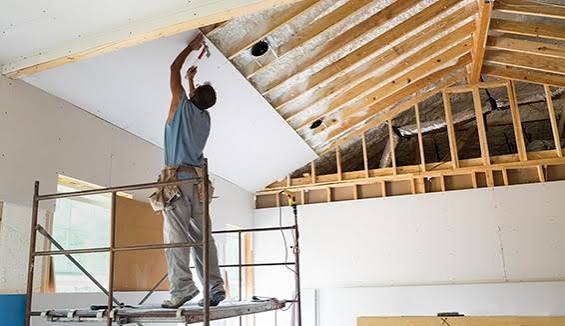
Small drywall damage can be surprisingly noticeable. A dent from moving furniture, a crack near a doorway, or a hole left behind after removing a wall fixture can make an otherwise well-kept room look unfinished. Larger damage can also point to moisture, movement, or an underlying building problem that should be addressed before the surface is repaired.
Homes in Richmond Hill and across the GTA experience conditions that can contribute to drywall problems. Seasonal temperature changes, indoor humidity fluctuations, renovations, plumbing issues, and everyday wear can all affect walls and ceilings. Knowing what caused the damage is just as important as making the surface look smooth again. The right repair method depends on the size, location, and condition of the affected area drywall repair services.
Why Drywall Gets Damaged in GTA Homes
Drywall is durable enough for everyday residential use, but it is not designed to withstand unlimited impact or moisture. A wall can look perfectly fine for years and then develop a crack or hole after a relatively small event.
Common causes include:
-
Furniture or doors hitting the wall
-
Picture hooks and wall anchors
-
Moving appliances or large items
-
Nail pops and fastener problems
-
Settling or normal building movement
-
Plumbing leaks
-
Roof or exterior moisture intrusion
-
Excess indoor humidity
-
Previous renovation work
-
Damage from electrical or plumbing access
Not every crack means there is a serious structural problem. Small surface cracks can develop naturally as materials respond to changes in temperature and humidity. However, a crack that continues to grow, repeatedly returns after patching, or appears alongside sticking doors, uneven surfaces, or other unusual signs deserves closer attention.
Moisture is another major concern. Water-damaged drywall may become soft, stained, swollen, or crumbly. Simply covering the visible area without fixing the source can lead to recurring damage and potentially create conditions where mould can develop.
That is why good drywall repair services begin with identifying the cause instead of immediately applying compound over the damaged section.
How Professionals Approach a Drywall Repair
The repair process depends on the type of damage. A small nail hole requires a very different approach from a large opening caused by plumbing work.
A typical repair starts with an inspection. The damaged area is examined to determine whether the drywall itself is the only problem. If there are signs of moisture, movement, or damaged framing, those concerns should be investigated before the surface is closed.
For a small hole, the technician may clean the edges, apply suitable patching material, allow it to dry, and sand the surface before finishing.
Larger holes usually require more preparation. A damaged section may need to be cut back to solid material. A replacement piece of drywall is then fitted into the opening and secured properly. Joint tape and joint compound are used to create a smooth transition between the new section and the existing wall.
The finishing stage often takes more time than homeowners expect. Several thin applications may be needed, with drying and sanding between coats. Rushing this stage can leave visible ridges, depressions, or uneven texture.
A quality repair generally follows this sequence:
Inspection: Determine the size and cause of the damage.
Preparation: Protect nearby floors, furniture, and fixtures and remove loose or damaged material.
Patching: Install suitable patch material or replace the affected drywall section.
Taping and finishing: Reinforce joints and build a smooth surface with appropriate compound.
Sanding: Carefully smooth the repaired area without damaging surrounding drywall.
Texture matching: Recreate the existing wall or ceiling texture where necessary.
Final preparation: Ensure the surface is clean, dry, and ready for primer and paint.
The exact timeline depends on the size of the repair, drying conditions, texture, and whether additional work is required. A small repair may be completed relatively quickly, while larger patches can require multiple visits because finishing materials need adequate drying time.
What Does Drywall Repair Cost in Richmond Hill?
There is no single price that applies to every drywall project. A small hole, a damaged ceiling, and a large water-damaged section can require very different amounts of labour and materials.
For minor cosmetic repairs, homeowners may pay a relatively modest service or minimum labour charge. Larger repairs can cost considerably more because they involve cutting, replacement material, taping, multiple finishing coats, sanding, and painting.
As a general planning range, homeowners may encounter costs from roughly $100 to $300 or more for small repairs, while larger sections or more involved projects can reach several hundred dollars or more. These are broad budgeting ranges rather than fixed local prices.
Several factors can change the final estimate:
-
Size and number of damaged areas
-
Wall versus ceiling location
-
Accessibility
-
Height of the repair
-
Type and thickness of drywall
-
Existing wall texture
-
Extent of moisture damage
-
Amount of finishing required
-
Whether painting is included
-
Disposal and cleanup
-
Labour rates and minimum service charges
Ceiling repairs can cost more than simple wall patches because access is harder and finishing defects can be more visible from below.
Painting can also change the overall project cost. A repair may look obvious if only the patched section receives paint, especially on an older wall where the existing colour has faded. In some situations, blending requires painting a larger section or the entire wall.
Homeowners should therefore ask whether a quote covers only the drywall work or includes primer, paint, texture matching, materials, and cleanup.
How to Choose the Right Repair Approach
The best repair is not always the largest or most expensive option. A skilled contractor should match the method to the actual condition of the wall.
For a few small holes, filling and sanding may be enough. A larger opening may require a replacement drywall section. If the material is badly deteriorated from water exposure, removing and replacing the affected area is usually more appropriate than trying to strengthen damaged material with surface compound.
Before approving work, ask:
-
What caused the damage?
-
Does any surrounding drywall also need to be removed?
-
Is there evidence of moisture?
-
What type of patch material will be used?
-
Will the existing texture be matched?
-
Is sanding and finishing included?
-
Does the quote include painting?
-
How long will the repair take?
-
Is cleanup included?
It is also worth comparing written estimates rather than choosing based solely on the lowest number. A contractor who includes proper preparation and finishing may produce a better long-term result than someone offering a quick patch with limited surface preparation.
For homeowners comparing drywall services Toronto providers, communication is particularly useful. The contractor should be able to explain the repair in plain language and identify any limitations before work begins.
When Drywall Damage Needs More Than a Patch
Some damage looks cosmetic but may be connected to a larger issue.
A small brown or yellow stain on a ceiling, for example, could indicate a past or active water leak. Patching the drywall without resolving the moisture source can result in the same problem returning.
Look more closely when you notice:
-
Repeated cracks in the same location
-
Expanding cracks
-
Soft or swollen drywall
-
Brown or yellow water stains
-
Peeling paint around a damaged area
-
Musty odours
-
Sagging ceiling material
-
Visible mould-like growth
-
Damage around plumbing fixtures
-
A patch that repeatedly fails
The surrounding area matters too. A crack around a window may have a different cause from a crack appearing at a drywall joint. A hole beneath a bathroom may deserve different attention from a simple dent in a bedroom wall.
Homeowners should also be careful with older properties. Before cutting into walls or ceilings, consider whether the building could contain older materials that require specialized assessment or handling. If you are unsure about the condition or age of a material, professional advice is safer than assuming it is ordinary modern drywall.
Practical Tips Before Hiring a Drywall Contractor
A little preparation can make the repair process easier and help homeowners avoid unexpected costs.
Describe the damage clearly.
If possible, take photos and explain when you first noticed the problem. Mention previous repairs, leaks, renovations, or other events that may be relevant.
Ask what is included.
Confirm whether the estimate covers materials, labour, finishing, sanding, texture, painting, and cleanup.
Do not hide moisture problems.
Tell the contractor about any known leaks or water damage. Covering the symptom without fixing the source is rarely a lasting solution.
Check the finish expectations.
If the surrounding wall has a noticeable texture, ask whether the repaired area will be blended to match.
Plan around drying time.
Joint compound and related materials need time to dry. A proper finish should not be rushed simply to complete the project in one visit.
Good preparation can prevent misunderstandings and gives the contractor a better chance of producing a repair that blends naturally with the existing wall.
DIY Drywall Patching vs Professional Help
Small drywall repairs can be approachable for homeowners who are comfortable with basic tools. Filling a tiny nail hole, for example, may require little more than suitable patching compound, a putty knife, sandpaper, and touch-up paint.
DIY work can save labour costs and may make sense for simple cosmetic damage.
The difficulty increases when the repair involves a large hole, ceiling work, water damage, complex texture, or a poor previous repair. Achieving a truly invisible finish requires practice. Joint compound must be applied evenly, sanding needs to be controlled, and the repaired area must blend into the surrounding surface.
Professional help becomes more valuable when:
-
The damaged area is large.
-
The ceiling is involved.
-
Water damage is present.
-
The drywall has become soft or swollen.
-
The same crack keeps returning.
-
Texture needs to be matched.
-
The repair must be painted and blended.
-
The cause of the damage is unclear.
-
The wall contains electrical or plumbing components nearby.
DIY can be a sensible choice for minor surface damage, but professional work can save time and prevent an inexpensive patch from turning into a visible or recurring repair.
How to Get a Better Finish After a Drywall Repair
A repaired wall should not only be structurally sound. It should also blend with the surrounding surface.
One common homeowner complaint is that the patch looks obvious after painting. This usually happens because the repaired area has a different texture, sheen, or surface level from the original wall.
Proper finishing takes patience. Joint compound should be applied in controlled layers rather than one thick application. Each coat needs sufficient drying time before sanding and adding the next layer.
Lighting can make imperfections easier to spot. A wall may look smooth under normal room lighting but show ridges or shallow depressions when sunlight enters from the side. Checking the surface from different angles before painting can help identify areas that need additional finishing.
Paint matching also deserves attention. Even if you still have the original paint can, the colour may have changed slightly over time because of sunlight, cleaning, and normal aging. For a small repair, painting only the patch may therefore produce a visible difference.
If an exact blend matters, discuss the painting approach before the work starts. Sometimes the best result requires painting a larger section rather than stopping directly at the repaired area.
Common Mistakes Homeowners Should Avoid
Many drywall problems become more noticeable because the original repair was rushed.
One mistake is using too much compound. A thick layer takes longer to dry and can shrink or crack as it cures. Several thin applications generally provide better control.
Another problem is inadequate sanding. The goal is to create a smooth transition, not simply make the centre of the patch flat. The edges need to disappear gradually into the existing wall.
Ignoring the cause of the damage is an even bigger mistake. If a plumbing leak caused the original problem, repairing the drywall without addressing the leak only treats the visible symptom.
Homeowners should also avoid choosing a contractor based entirely on the cheapest estimate. Extremely low pricing can sometimes mean limited preparation, rushed finishing, or important work being excluded from the quote.
Before hiring drywall repair contractors, look for someone who is willing to inspect the area, explain the proposed approach, provide a clear estimate, and discuss what the finished surface should look like.
When Drywall Patching Is Enough
Not every damaged section needs complete replacement.
Small nail holes, screw holes, shallow dents, and limited surface cracks can often be repaired without removing a large section of drywall.
For example, a homeowner who removes a wall-mounted shelf may be left with several anchor holes. These generally do not justify replacing the entire panel.
Small impact damage can also be patched if the surrounding drywall remains firm and dry.
The important distinction is between surface damage and material damage. If the drywall is still solid, dry, and firmly attached, a localized patch may be appropriate. If it is soft, swollen, crumbling, or extensively damaged, replacement may provide a more reliable result.
This is especially relevant with ceilings. Gravity makes loose or water-damaged ceiling drywall more concerning than a small cosmetic mark on a wall.
What to Expect From Drywall Patching in Toronto-Area Homes
Homeowners researching drywall patching Toronto options should consider more than simply filling a hole.
A good patch should become difficult to distinguish from the original surface after finishing and painting. That requires attention to the surrounding drywall, texture, paint condition, and lighting.
Older GTA homes may also have several layers of previous repairs. A wall can contain old patches beneath newer paint, making the surface more challenging to blend. In those situations, a contractor may recommend repairing a slightly larger area to create a more consistent finish.
Renovation projects create another common situation. Moving electrical outlets, removing cabinets, changing lighting, or relocating plumbing can leave openings that need to be properly closed before painting.
The repair should also account for the intended future use of the wall. If homeowners plan to install cabinets, shelves, televisions, or other heavy fixtures in the same location, they should mention this before the drywall is finished. Knowing where future attachments will go can influence how the area is prepared.
Frequently Asked Questions About Drywall Repairs
How long does a drywall repair take?
A small hole may require only a short amount of active work, but drying and finishing can extend the total process. Larger repairs may require several stages over more than one day.
Can a drywall crack simply be filled with compound?
Sometimes, but not always. If the crack is caused by movement or an underlying issue, simply filling it may provide only a temporary cosmetic fix. Recurring cracks should be evaluated before repeated patching.
Should damaged drywall be replaced after water exposure?
It depends on the extent of the damage and the condition of the material. Soft, swollen, crumbling, or heavily affected drywall may need replacement. The moisture source must also be addressed.
Is ceiling drywall harder to repair?
Usually, yes. Working overhead is more demanding, and imperfections can be easier to see. Access, support, texture, and painting requirements can also increase the complexity.
Can repaired drywall be painted immediately?
Usually, the surface needs to be properly finished, dry, clean, and prepared before painting. Painting too early can trap moisture or highlight imperfections drywall repair contractors.
How can I make a patch less visible?
Use the correct patching method, build the joint compound gradually, feather the edges, sand carefully, match the existing texture, and use appropriate primer and paint. For difficult finishes, professional experience can make a significant difference.
Does drywall repair include painting?
Not necessarily. Some contractors quote only patching and finishing, while others offer complete repair and painting. Always confirm exactly what the estimate includes.
Should I repair drywall before selling my home?
Visible wall damage can make a property look poorly maintained. Fixing obvious holes, cracks, and damaged surfaces can improve presentation, although homeowners should weigh the repair cost against the condition and planned timing of the sale.
Final Verdict
Drywall damage is often easier to fix when it is addressed early. A small hole or dent may require only a straightforward patch, while recurring cracks, moisture stains, and soft material deserve a closer inspection.
Homeowners in Richmond Hill and the GTA should focus on the cause of the damage, not just the appearance. A good repair includes proper preparation, suitable materials, careful finishing, and enough drying time. The final result should blend naturally with the existing wall rather than simply covering the damaged spot.
Cost also depends heavily on the size and complexity of the work. Comparing written estimates, asking what is included, and discussing texture and paint expectations can help prevent surprises.

 English
 Arabic
 French
 Spanish
 Portuguese
 Deutsch
 Turkish
 Italiano
 Russian
 Romaian
 Portuguese (Brazil)
 Greek
Greek