


Why P Shot Injections in Dubai Consultations Matter
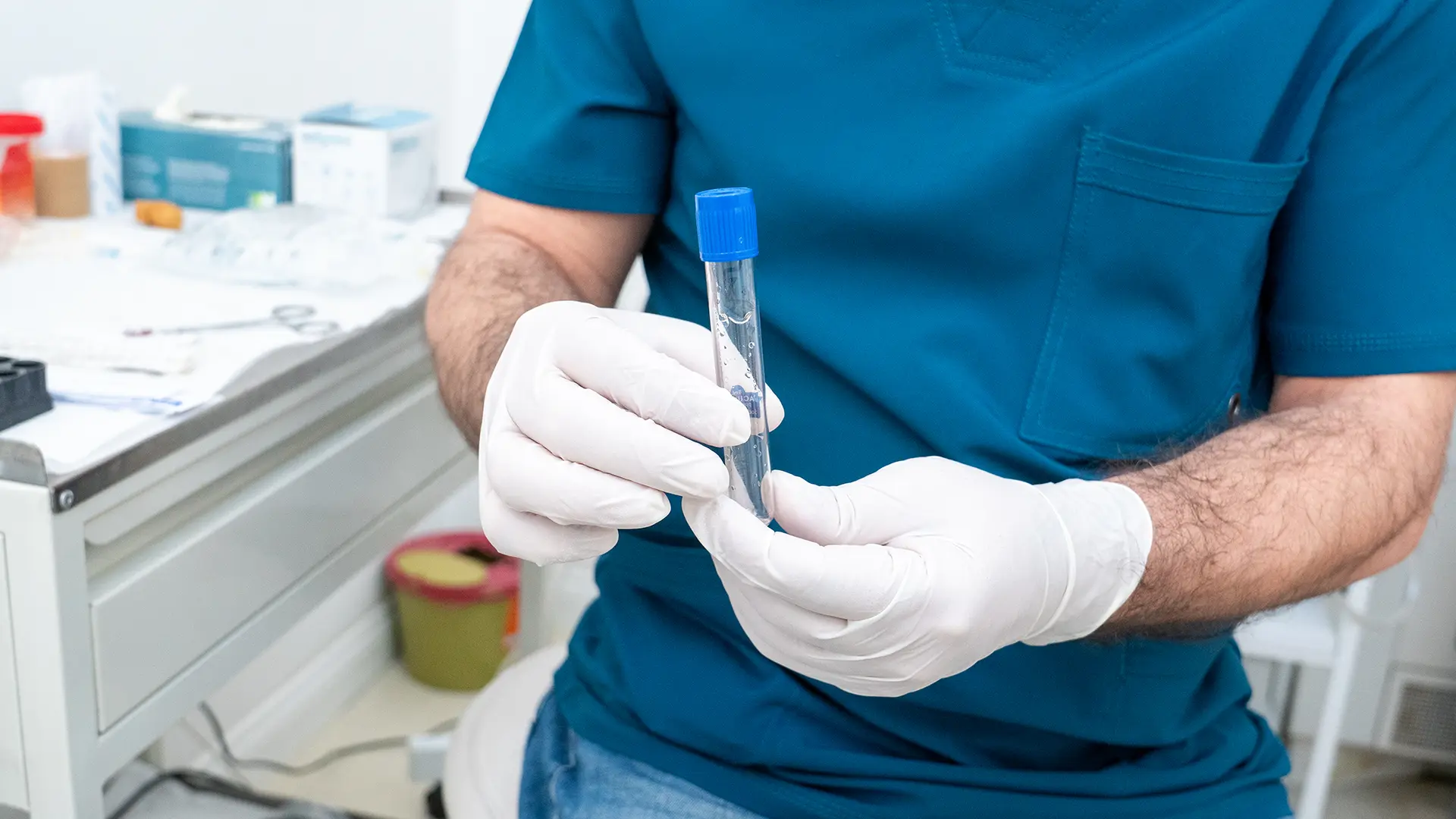
A consultation is one of the most important steps before P Shot Injections in Dubai because erectile dysfunction can have many different causes, and PRP may not be appropriate for every patient. A proper consultation allows a clinician to understand the patient's symptoms, medical history, medications, risk factors, expectations, and available treatment options before deciding whether PRP should even be considered.
This matters because PRP for erectile dysfunction remains an emerging treatment. Current European Association of Urology guidance states that evidence is still insufficient for routine clinical use of intracavernosal PRP and recommends its use within a clinical-trial setting.
Why Should You Have a Consultation Before P-Shot Treatment?
It can be tempting to view P-Shot treatment as a straightforward injection. However, erectile dysfunction is not a single-condition problem.
ED can be associated with vascular disease, diabetes, metabolic problems, hormonal abnormalities, neurological conditions, medication effects, psychological factors, relationship issues, or combinations of several factors.
A consultation helps move the discussion from:
“Will this injection work?”
to:
“Why am I experiencing this problem, and what treatment is most appropriate for me?”
That distinction can prevent patients from pursuing a procedure without understanding the underlying issue.
What Happens During a P-Shot Consultation?
The exact consultation process varies by clinician, but a comprehensive assessment may include several components.
1. Discussing Your Main Concern
The first step is understanding what the patient actually wants to improve.
For example, the concern may involve:
- Difficulty achieving an erection
- Difficulty maintaining an erection
- Reduced erection firmness
- Reduced sexual confidence
- Changes in sexual performance
- A gradual decline in erectile function
- Erectile difficulties despite previous treatment
Not every sexual-health concern has the same cause or requires the same treatment.
2. Reviewing Your Medical History
The doctor may ask about existing health conditions and previous procedures.
Relevant information can include:
- Diabetes
- High blood pressure
- Cardiovascular disease
- High cholesterol
- Hormonal disorders
- Neurological conditions
- Previous prostate treatment
- Penile injuries or procedures
- Previous ED treatments
- Other significant medical conditions
This information can help identify factors that may be contributing to erectile difficulties.
3. Reviewing Current Medications
Medication history is particularly important.
Some medications can contribute to sexual dysfunction, while others may affect the safety or suitability of particular treatment approaches.
Patients should provide an accurate list of prescription medicines, over-the-counter products, and relevant supplements rather than assuming they are unrelated.
Why Does the Cause of ED Matter?
The cause of erectile dysfunction can influence the treatment strategy.
For example, a man whose ED is primarily related to vascular risk factors may require cardiovascular and lifestyle management alongside ED treatment.
Another patient may have symptoms associated with medication, hormonal changes, psychological factors, neurological disease, or a combination of causes.
This is why a consultation should not automatically lead to a P-Shot recommendation.
The purpose of the assessment is to determine what is happening medically before deciding what should happen next.
Can a Consultation Identify Cardiovascular Risk?
It can help identify patients who may need broader medical evaluation.
Erectile dysfunction can be associated with cardiovascular and metabolic health because penile blood vessels are affected by many of the same vascular risk factors involved in cardiovascular disease.
A clinician may therefore ask about blood pressure, diabetes, cholesterol, smoking, obesity, physical activity, and other risk factors.
This does not mean every man with ED has heart disease. It means persistent erectile difficulties can sometimes provide an opportunity to review overall health.
Does Every Man With ED Need P-Shot Treatment?
No.
There is currently insufficient evidence to consider PRP a universal treatment for erectile dysfunction.
The 2026 meta-analysis by Jacob and colleagues included seven randomized controlled trials involving 512 participants. It found no consistent, clinically meaningful improvement in erectile function with PRP monotherapy compared with placebo and highlighted substantial variation between studies.
An updated 2026 systematic review of seven randomized trials involving 479 patients similarly found no significant difference in combined IIEF outcomes at one, three, and six months. A possible six-month minimum clinically important difference signal was reported, but only three studies contributed data to that analysis, so the result requires caution.
For this reason, the consultation should focus on suitability rather than simply confirming a patient's request for an injection.
What Questions Should You Ask During the Consultation?
Patients should feel comfortable asking direct questions.
Useful questions include:
- What could be causing my erectile difficulties?
- Do I need any additional medical assessment?
- Is PRP appropriate for my condition?
- What evidence supports P-Shot treatment?
- What are the established alternatives?
- How is the PRP prepared?
- How many treatments are proposed?
- What side effects can occur?
- How will we evaluate whether treatment has helped?
- What happens if there is little or no improvement?
A good consultation should allow these questions to be answered without pressure.
Why Is Informed Consent Important?
Informed consent is particularly important when a treatment has emerging evidence.
The patient should understand what is known, what remains uncertain, and what alternatives exist.
This includes understanding that promising research does not necessarily mean a treatment has been proven effective for every patient.
For example, some earlier meta-analyses have reported improvements in erectile-function scores with PRP, while newer analyses have found greater uncertainty because of small sample sizes, inconsistent protocols, and differences between trials.
An honest consultation should explain this uncertainty instead of presenting only favorable findings.
Why Does PRP Protocol Matter?
The term “P-Shot” does not describe one universally standardized PRP protocol.
Research studies have used different amounts of PRP, different numbers of injections, different treatment intervals, and different preparation methods.
The 2026 PRP meta-analysis found injection volumes ranging from 5 to 10 mL across two to four sessions. The researchers also emphasized substantial heterogeneity between studies.
The EAU likewise notes that there is no consensus regarding optimal PRP activation methods or platelet concentration for ED treatment.
Therefore, patients should ask exactly what protocol is being proposed rather than assuming every P-Shot treatment is identical.
Can the Consultation Determine Whether PRP Is the Right Option?
It can help determine whether PRP is worth discussing, but it cannot guarantee that treatment will work.
The clinician may consider:
- The likely cause of ED
- Severity and duration of symptoms
- Previous treatment response
- Current medications
- Cardiovascular and metabolic risk factors
- Relevant medical history
- Patient expectations
- Potential alternatives
- The current evidence surrounding PRP
The final decision should be based on an informed discussion rather than marketing claims.
What Established ED Treatments May Be Discussed?
A consultation should not treat P-Shot therapy as the only possible approach.
Depending on the individual situation, established options may include:
- PDE5 inhibitors
- Vacuum erection devices
- Intracavernosal medication
- Lifestyle and risk-factor modification
- Psychological or relationship-focused interventions
- Other specialist treatments
- Penile prosthesis in selected cases
The European Association of Urology identifies PDE5 inhibitors as a first-line treatment option for many men with ED, while other therapies can be considered according to individual circumstances.
This makes a consultation useful even if the patient ultimately decides not to pursue PRP.
What If You Have Already Tried ED Pills?
Tell the clinician.
Previous response to PDE5 inhibitors can provide useful information about the nature and severity of the problem.
The consultation can also determine whether medication was used correctly, whether the dose was appropriate, whether enough attempts were made, and whether other factors may have affected the response.
A patient should not automatically assume that unsuccessful ED medication means PRP is the next step.
The correct next treatment depends on the individual clinical picture.
What If ED Is Related to Psychological Factors?
This is another reason consultation matters.
Erectile difficulties can sometimes involve performance anxiety, stress, depression, relationship difficulties, or a cycle in which one unsuccessful sexual experience creates anxiety about future performance.
Psychological and physical factors can also occur together.
A consultation should therefore avoid assuming that every erection problem is caused by poor blood flow or tissue dysfunction.
What If the Patient Has No Major Medical Problems?
Even otherwise healthy men can develop ED.
A consultation can still help identify possible contributing factors such as stress, medications, lifestyle factors, hormonal concerns, psychological issues, or early vascular changes.
Age alone should not determine whether someone is suitable for a particular treatment.
Likewise, being young does not automatically mean PRP is appropriate.
Can a Consultation Prevent Unrealistic Expectations?
Yes.
This may be one of its most valuable functions.
Patients sometimes expect regenerative treatments to:
- Permanently cure ED
- Produce immediate results
- Work after one injection
- Replace all ED medication
- Increase penile size
- Guarantee stronger erections
- Produce the same outcome in every patient
These expectations are not supported by the current evidence.
A 2026 randomized-trial meta-analysis concluded that available evidence does not demonstrate a consistent clinically meaningful improvement from PRP monotherapy compared with placebo.
A responsible consultation should therefore establish realistic expectations before treatment.
What Are Red Flags During a Consultation?
Patients should be cautious when a provider:
- Guarantees a specific result
- Claims P-Shot treatment permanently cures ED
- Says every man is automatically a candidate
- Refuses to discuss alternatives
- Does not review medical history
- Does not ask about medications
- Cannot explain the PRP protocol
- Avoids discussing evidence limitations
- Uses only testimonials as proof of effectiveness
- Pressures the patient to purchase a package immediately
A medical consultation should feel like a clinical assessment, not a sales presentation.
How Long Should a Consultation Take?
There is no universal required consultation length.
The appropriate duration depends on the complexity of the patient's history and concerns.
A patient with long-standing ED, multiple medications, previous prostate treatment, diabetes, or cardiovascular risk factors may require a more detailed assessment than someone with a straightforward history.
The important point is not the number of minutes. It is whether the clinician has enough time to understand the patient's situation and answer relevant questions.
Should Patients Bring Previous Medical Records?
If available, yes.
Previous test results, medication lists, specialist reports, and information about earlier ED treatments can help provide a more complete picture.
Patients should also mention previous reactions or complications from medical treatments.
Having this information available can make the consultation more efficient and clinically useful.
What Should You Know Before Booking?
Before booking P Shot Injections in Dubai, consider whether the provider:
- Offers a genuine medical consultation
- Assesses the cause of ED
- Reviews medications and health history
- Explains the current evidence
- Discusses established alternatives
- Explains the proposed PRP protocol
- Provides realistic expectations
- Explains possible risks
- Provides appropriate follow-up
- Respects patient privacy
These factors can be more meaningful than promotional claims about being the “latest” or “most advanced” treatment.
A Simple P-Shot Consultation Checklist
| Consultation Area | What You Should Understand |
|---|---|
| Diagnosis | What may be contributing to your ED |
| Medical history | Whether existing conditions affect treatment decisions |
| Medication review | Whether current medicines may influence symptoms or treatment |
| Treatment suitability | Whether PRP is appropriate to discuss |
| Evidence | What research currently shows |
| Alternatives | Which established treatments may be available |
| PRP protocol | How the proposed treatment differs from research protocols |
| Risks | Potential side effects and limitations |
| Expectations | What results can realistically be expected |
| Follow-up | How progress will be assessed |
Why the Consultation May Be More Important Than the Injection
Patients naturally focus on the procedure itself, but the clinical decision before treatment may be more important.
An injection cannot compensate for an incorrect diagnosis.
If erectile dysfunction is related to an untreated medical condition, medication, psychological factor, or significant cardiovascular risk, identifying that issue may be more important than immediately proceeding with PRP.
The consultation creates the opportunity to ask the right question first:
“What is causing my ED, and what is the safest evidence-based way to manage it?”
The Strategic Investment
For men researching P Shot Injections in Dubai, the consultation should be viewed as an essential clinical decision point rather than a formality before an injection.
PRP remains an area of active research. Some studies have reported encouraging improvements, while newer randomized-trial reviews continue to highlight uncertainty, inconsistent protocols, small study populations, and limited confidence in the overall evidence.
That makes a thorough assessment particularly valuable. A responsible clinician should determine whether the patient's symptoms warrant further evaluation, explain established treatment options, discuss the evidence surrounding PRP, and help the patient make an informed decision without promising a guaranteed outcome.
For men seeking a professional setting to discuss intimate concerns, Tajmeels Clinic provides a confidential opportunity to discuss individual goals, treatment options, medical suitability, and appropriate next steps before deciding whether P-Shot treatment should be considered.

 English
 Arabic
 French
 Spanish
 Portuguese
 Deutsch
 Turkish
 Dutch
Dutch
 Italiano
 Russian
 Romaian
 Greek
Greek