


Why Retrofitting Is Important for Ageing Buildings
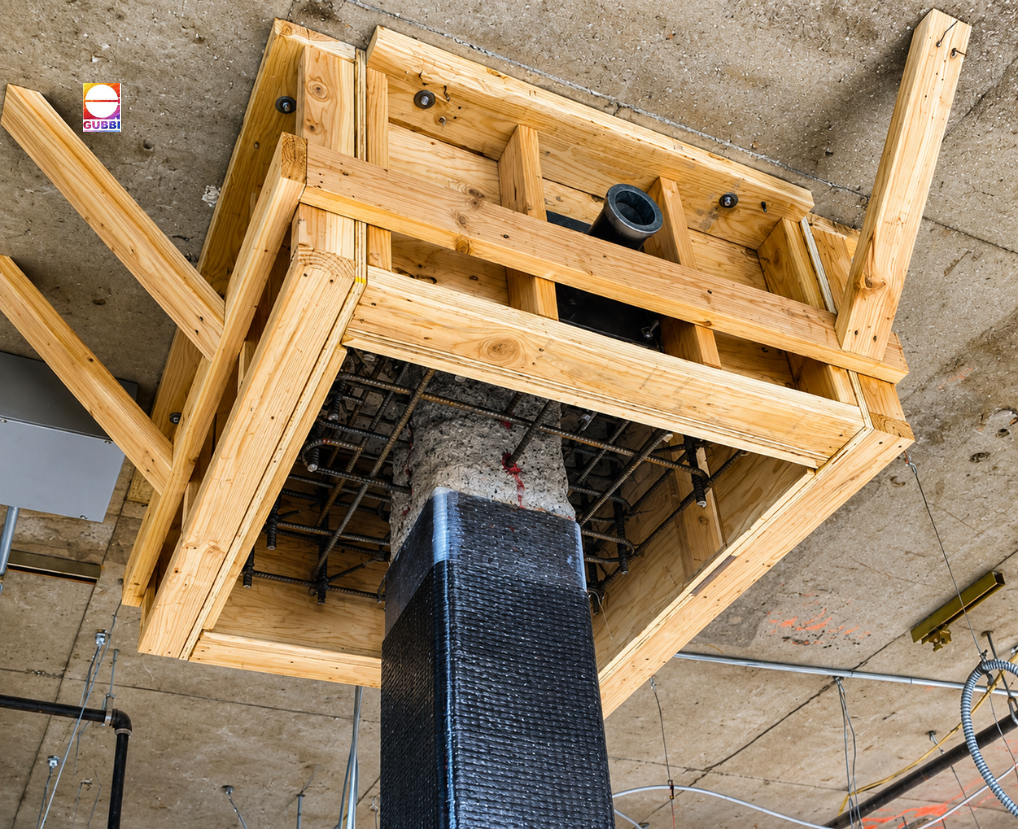
Existing buildings and infrastructure are often expected to perform safely for decades, even when their usage, loading conditions, and environmental exposure change significantly. This is where retrofitting services become important. Retrofitting helps improve the strength, stability, and performance of an existing structure without requiring complete demolition and reconstruction. Professional retrofitting contractors evaluate structural conditions and develop suitable strengthening solutions based on engineering requirements.
What Is Retrofitting and Why Is It Important?
Retrofitting is an engineering process used to improve the performance of an existing building or structure that no longer meets present requirements. A structure may require strengthening because of ageing, deterioration, increased loading, design limitations, seismic requirements, or changes in usage. Instead of replacing the entire structure, engineers can strengthen specific structural members and improve the overall performance of the building through carefully planned interventions.
Structural Retrofitting Solutions
The purpose of retrofitting is not simply to repair visible damage. A professional approach focuses on identifying why structural deficiencies have developed and determining how the structure can safely meet current and future demands. Depending on the condition of the building, retrofitting may improve load-carrying capacity, stiffness, seismic performance, durability, and long-term structural reliability while reducing the disruption associated with complete rebuilding.
When Does a Building Require Retrofitting?
Buildings usually show signs of structural distress before major problems develop, although some deficiencies may only become visible during professional inspections. Cracks in beams and columns, concrete spalling, reinforcement corrosion, excessive deflection, settlement, and reduced structural capacity can indicate the need for further investigation. Retrofitting contractors assess these conditions to determine whether strengthening is necessary and which areas require immediate engineering attention.
Building Strengthening Services
A building may also require retrofitting when its intended usage changes. For example, installing heavy machinery, increasing occupancy, adding floors, or converting a property for another purpose can create loads beyond the original design assumptions. In such situations, structural strengthening may be required to improve the capacity of columns, beams, slabs, foundations, and other critical components before the modified building is used.
Why Retrofitting Is Different from Normal Structural Repair
Structural repair and retrofitting are closely related, but they do not always have the same purpose. Repairs generally address damage, deterioration, or defects in existing structural elements. Retrofitting focuses on improving the performance of a structure beyond its present condition to meet revised safety, loading, or functional requirements. A project may require both repair and retrofitting when deterioration has affected structural capacity. For example, deteriorated concrete may first require removal and repair before strengthening can be carried out. Corroded reinforcement may need treatment or replacement, followed by a strengthening system designed for the required performance. This makes proper diagnosis essential because applying a strengthening material directly over unresolved deterioration may not provide the expected long-term results or address the underlying structural problem effectively.
Common Reasons for Structural Retrofitting
Ageing is one of the most common reasons structures require retrofitting. Concrete buildings are exposed to weather, moisture, chemicals, temperature changes, and operational stresses throughout their service life. Over time, these factors can affect concrete quality and reinforcement durability. Buildings designed according to older standards may also require upgrading to meet present performance expectations and modern structural requirements. Changes in environmental conditions can also affect structural performance. Water ingress, chloride exposure, industrial chemicals, and repeated wetting and drying can accelerate concrete deterioration and reinforcement corrosion. When these conditions continue without proper intervention, the structure may experience progressive damage. Retrofitting can be part of a comprehensive rehabilitation strategy that restores affected areas while improving the structural capacity needed for continued service.
Structural Assessment Before Selecting a Retrofitting Method
A successful retrofitting project begins with understanding the actual condition of the structure. Selecting a strengthening method before completing an engineering assessment can result in an unsuitable solution. Professional investigations may include visual inspections, condition mapping, review of structural drawings, material testing, crack evaluation, reinforcement assessment, and analysis of existing and proposed loading conditions before any major work begins.The assessment helps engineers identify deficient structural members and understand the cause of the problem. A crack may result from overloading, corrosion, settlement, movement, or another structural condition, and each cause requires a different approach. The findings are then used to develop an appropriate strengthening strategy. This engineering process helps ensure that retrofitting work addresses actual structural requirements rather than only visible symptoms.
Popular Retrofitting Methods Used for RCC Structures
There is no single retrofitting method suitable for every building. The appropriate technique depends on the structural member, extent of deterioration, loading requirements, available space, and desired performance. Engineers may use concrete jacketing, steel jacketing, carbon fibre strengthening, beam strengthening, slab strengthening, foundation strengthening, or other specialised systems depending on the structural assessment and approved design requirements. The selected method must work with the existing structure and address the identified deficiency. Increasing the strength of one member without considering the overall load path can create additional structural concerns. For this reason, professional retrofitting contractors consider how columns, beams, slabs, foundations, and connections perform together rather than treating each structural element as an isolated component.
Concrete and RCC Jacketing for Structural Strengthening
Concrete jacketing is commonly used when an existing structural member requires increased strength, stiffness, or load-carrying capacity. The process generally involves preparing the existing member and constructing an additional reinforced concrete layer according to the strengthening design. This technique can be applied to structural components when engineering analysis confirms that jacketing is suitable for the required performance. Column jacketing can be particularly important when columns require improved capacity due to increased loading or structural deficiencies. Proper execution requires careful attention to surface preparation, reinforcement detailing, bonding, concrete quality, and curing. The final performance depends on the complete strengthening system working together, which is why professional supervision and adherence to approved engineering specifications are essential throughout the retrofitting process.
Carbon Fibre Strengthening for Modern Retrofitting Projects
Carbon fibre reinforced polymer systems are widely used for strengthening existing structural members because they provide high strength while adding relatively little weight to the structure. Carbon fibre applications can be designed for columns, beams, slabs, and other structural elements where appropriate. Their flexibility also makes them useful in locations where conventional strengthening methods may create space or accessibility challenges. The effectiveness of carbon fibre strengthening depends heavily on proper engineering design and surface preparation. The existing substrate must be suitable for bonding, and the fibre system must be designed according to the required strengthening objective. Carbon fibre wrapping should therefore not be selected only because it is a modern material; it must be used where structural analysis confirms that the system is appropriate.
Steel Jacketing and Other Strengthening Techniques
Steel jacketing is another method that may be used to strengthen existing structural members. Steel plates or sections can be designed and installed around a deficient component to improve structural performance. This method may be considered for projects requiring specific capacity improvements, although accessibility, corrosion protection, connection detailing, and long-term maintenance must be evaluated before selecting the strengthening system. Other retrofitting methods can include slab strengthening, beam strengthening, foundation strengthening, grouting, and specialised repair systems. The correct solution depends on the structural problem rather than the popularity of a particular technique. Experienced engineers compare feasible options based on performance requirements, construction limitations, operational conditions, and the expected service life of the strengthened structure.
Benefits of Professional Retrofitting Services
One of the main benefits of retrofitting is the ability to improve an existing asset without automatically choosing demolition and reconstruction. A properly designed strengthening project can help extend the useful life of a building and improve its ability to handle present operational requirements. This can be particularly valuable for commercial, industrial, institutional, and infrastructure facilities where complete reconstruction would create significant disruption. Retrofitting can also support better utilisation of existing structures. Property owners may need additional capacity because of new equipment, changing occupancy, or modifications to building layouts. Instead of abandoning an existing structure, an engineering assessment can determine whether strengthening is technically feasible. When properly planned, retrofitting provides a practical pathway for adapting structures to changing functional requirements.
How to Choose the Right Retrofitting Contractors
Choosing experienced retrofitting contractors is important because structural strengthening involves more than applying repair materials. Contractors should understand structural drawings, approved strengthening designs, material specifications, site conditions, safety procedures, and quality control requirements. The team should also have relevant experience with existing structures, where hidden deterioration and operational restrictions can make execution more complex than new construction. Before selecting a contractor, building owners should understand the proposed engineering approach and scope of work. A reliable contractor should evaluate the project requirements rather than immediately recommending the same method for every structure. Experience with similar projects, qualified technical teams, appropriate equipment, quality procedures, and the ability to coordinate with structural engineers are important factors when evaluating potential retrofitting specialists.
Why Engineering Planning Is Essential Before Execution
Retrofitting projects often involve working within operational buildings, industrial facilities, and occupied properties. This requires detailed planning before execution begins. Contractors may need to manage restricted access, equipment movement, temporary support requirements, dust control, safety procedures, and work sequencing. Poor planning can affect both the structure and the ongoing operations of the facility during construction activities. A detailed execution plan helps ensure that strengthening work follows the approved design and does not create unnecessary risks during construction. Quality checks should be carried out at important stages, including substrate preparation, reinforcement installation, material application, and final protection. Proper coordination between engineers, contractors, and facility representatives supports safer execution and helps maintain the intended performance of the completed strengthening system.
Retrofitting for Commercial and Industrial Structures
Commercial and industrial structures often face changing operational requirements throughout their service life. New machinery, increased production capacity, equipment modifications, and changing layouts can increase structural demands. Retrofitting provides an opportunity to evaluate whether the existing building can safely support these changes and to strengthen specific structural components where engineering analysis identifies insufficient capacity. Industrial environments can also expose structures to moisture, chemicals, vibration, and other conditions that accelerate deterioration. Retrofitting projects in these environments may therefore combine structural strengthening with concrete repair and protective measures. Addressing both capacity and durability is important because strengthening alone may not provide long-term performance if the environmental cause of deterioration continues after the project is completed.
Retrofitting as an Alternative to Complete Reconstruction
Demolition and reconstruction can involve significant costs, long project durations, operational disruption, and material waste. Retrofitting may provide an alternative when the existing structure remains suitable for strengthening. However, retrofitting is not automatically the best solution for every building. The decision should be based on structural condition, engineering feasibility, future requirements, project costs, and the expected service life of the completed structure.
Highlight Keyword: Cost-Effective Structural Retrofitting
An engineering comparison between retrofitting and reconstruction helps owners make informed decisions. In many situations, strengthening selected components can preserve a functional building while improving its performance for future use. The most suitable approach depends on the individual project, making professional structural assessment essential before committing to either demolition or a major retrofitting programme.
Professional for Choosing Retrofitting Services
When a structure shows signs of deterioration, reduced capacity, or changing performance requirements, the first step should be a professional assessment rather than selecting a repair method independently. Property owners should work with experienced engineering specialists who can identify the actual structural deficiency and recommend an appropriate strengthening strategy. Gubbi Civil Engineers Limited can be considered for professionally planned structural repair, rehabilitation, and retrofitting requirements based on project-specific engineering needs. The right solution should always be based on the structure's condition and future requirements. A carefully planned retrofitting project can improve safety, strengthen critical structural members, and support continued use of valuable assets. Early assessment is particularly important because structural deterioration can become more extensive and expensive when underlying problems are ignored for long periods.
Retrofitting is an important engineering solution for structures that need improved strength, safety, capacity, or long-term performance. From ageing RCC buildings to commercial and industrial facilities facing changing operational demands, professional retrofitting services can help extend structural life without immediately requiring complete reconstruction. The success of any project depends on proper assessment, engineering design, suitable strengthening methods, and controlled execution. Professional retrofitting contractors play a critical role in transforming engineering designs into reliable strengthening solutions. Whether a project involves concrete jacketing, steel strengthening, carbon fibre wrapping, or another specialised technique, the method must be selected according to actual structural requirements. With the right assessment and execution approach, retrofitting can help existing structures continue performing safely and effectively for many more years.

 English
 Arabic
 French
 Spanish
 Portuguese
 Deutsch
 Turkish
 Dutch
Dutch
 Italiano
 Romaian
 Portuguese (Brazil)
 Greek
Greek