


Top 10 Things Every UK Driver Should Know About Timing Belt Replacement
A timing belt is one of the most important components inside a modern vehicle. Although it is not something drivers see during everyday driving, its job is critical: it keeps the engine’s camshaft and crankshaft rotating in precise coordination. When the belt becomes worn or fails, the consequences can range from an engine that simply will not start to serious internal engine damage.
For motorists, understanding when a timing belt needs attention can help prevent unexpected breakdowns and potentially expensive repairs. Whether you drive a compact city car, family vehicle, van, or performance model, knowing the basics of timing belt maintenance is worthwhile.
For drivers looking for Timing Belt Replacements Trowbridge, the same principles apply as elsewhere in the UK: replacement intervals, vehicle age, mileage, engine design, and the condition of associated components all need to be considered.

What Does a Timing Belt Do?
The timing belt connects the engine’s crankshaft to the camshaft. Its primary purpose is to ensure that the engine’s valves open and close at precisely the correct moment in relation to the movement of the pistons.
This synchronisation is essential for efficient combustion.
Unlike an accessory belt, which typically operates components such as the alternator or air-conditioning system, the timing belt performs a function directly related to the engine’s internal operation.
Timing belts are manufactured from reinforced rubber and other durable materials, but they do not last indefinitely. Heat, oil contamination, age, mileage, and repeated exposure to engine operating conditions can gradually weaken the belt.
A belt can sometimes look acceptable externally while still approaching the end of its recommended service life. This is why manufacturers provide specific replacement intervals rather than relying solely on visual inspection.

When Should a Timing Belt Be Replaced?
There is no universal mileage or age figure that applies to every vehicle. Replacement recommendations vary considerably between manufacturers and engine types.
Some vehicles may have a recommended interval based primarily on mileage, while others include a maximum time period. In many cases, both factors matter.
Drivers should check:
- The vehicle manufacturer’s service schedule
- Current mileage
- The age of the timing belt
- Previous service records
- The specific engine fitted to the vehicle
- Whether the vehicle has experienced oil or coolant leaks
- Recommendations from a qualified technician
If a used vehicle has been purchased without reliable evidence of when the timing belt was last replaced, it may be sensible to have its service history and replacement requirements checked.
This is particularly important because a timing belt failure can happen without a long period of obvious warning.

Common Warning Signs of Timing Belt Problems
A timing belt does not always provide clear symptoms before failure. Nevertheless, several warning signs can justify professional inspection.
1. Unusual Engine Noises
Tapping, ticking, rattling, or unusual noises around the timing system should not be ignored. These sounds can have several possible causes, so proper diagnosis is important.
2. Difficulty Starting
Problems with engine timing can contribute to difficult starting or an engine that refuses to start. However, starting problems can also originate from the battery, starter motor, fuel system, ignition system, or other components.
3. Engine Misfiring
Incorrect engine timing can affect combustion and result in rough running or misfires. A diagnostic inspection can help identify whether the problem is connected to the timing system.
4. Oil Leaks
Oil contamination can damage certain timing belt materials. If an oil leak develops near the timing belt area, it should be investigated rather than ignored.
5. Visible Wear During Inspection
Cracks, fraying, glazing, missing sections, or other deterioration may indicate that a belt requires attention. However, because much of the timing system is enclosed, professional inspection is often necessary.
Importantly, the absence of warning signs does not mean that a timing belt is safe indefinitely. Scheduled maintenance remains the most reliable approach.
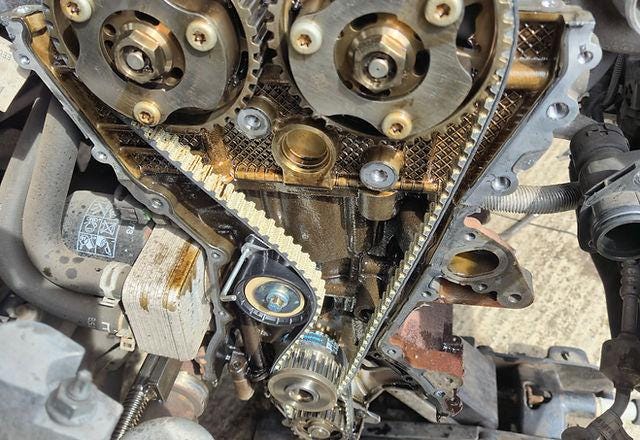
Understanding Timing Belt Replacement Services
Professional Timing Belt Replacements Services generally involve more than simply removing an old belt and installing a new one.
A technician may inspect the complete timing system and identify components that should be replaced at the same time. Depending on the vehicle, this can include:
- Timing belt
- Tensioner
- Idler pulleys
- Water pump
- Related seals
- Other associated timing components
Replacing related parts together can make practical sense because many of them require access to the same area of the engine. Replacing only one worn component while leaving another near the end of its service life may result in additional labour later.
The exact procedure depends on the vehicle manufacturer and engine configuration. Correct timing alignment is particularly important. If the timing is incorrectly set during installation, the engine may run poorly or suffer serious damage.
This is why timing belt work should be carried out using the appropriate technical information, tools, and procedures for the specific engine.

What Influences Wet Timing Belt Replacement Cost?
One area that has received increasing attention from vehicle owners is the wet timing belt replacement cost.
A wet timing belt operates inside the engine and is exposed to engine oil, unlike a conventional dry timing belt that operates outside the engine’s lubricated environment. This design can provide engineering benefits, including reduced friction and quieter operation, but it also creates specific maintenance considerations.
The total replacement cost can vary depending on:
- Vehicle make and model
- Engine design
- Labour time
- Parts quality
- Whether the water pump requires replacement
- Condition of tensioners and pulleys
- Accessibility of the timing system
- Additional seals or components required
- Local labour rates
For this reason, there is no single price that accurately represents every wet timing belt replacement.
Motorists should also consider the complete repair rather than comparing prices based solely on the belt itself. A detailed quotation should explain what parts and labour are included.

For local motorists researching timing belt maintenance, information from S&M Auto Service about timing belt replacement services can provide another reference point when understanding what may be involved in the process.
Timing Belt Replacement Across the UK
The need for regular timing belt maintenance is not limited to one region. Timing Belt Replacements UK services cover a wide range of vehicle types and engine technologies.
Modern vehicles increasingly use sophisticated engine designs that can improve fuel efficiency and emissions performance. These developments can also make some maintenance procedures more technically demanding.
For drivers across the UK, a sensible approach is to maintain accurate service records and follow the manufacturer’s recommended maintenance schedule.
Vehicle usage can also influence maintenance requirements. A car used for frequent short journeys, heavy traffic, commercial driving, or high annual mileage may experience different operating conditions from a vehicle primarily used for longer motorway journeys.
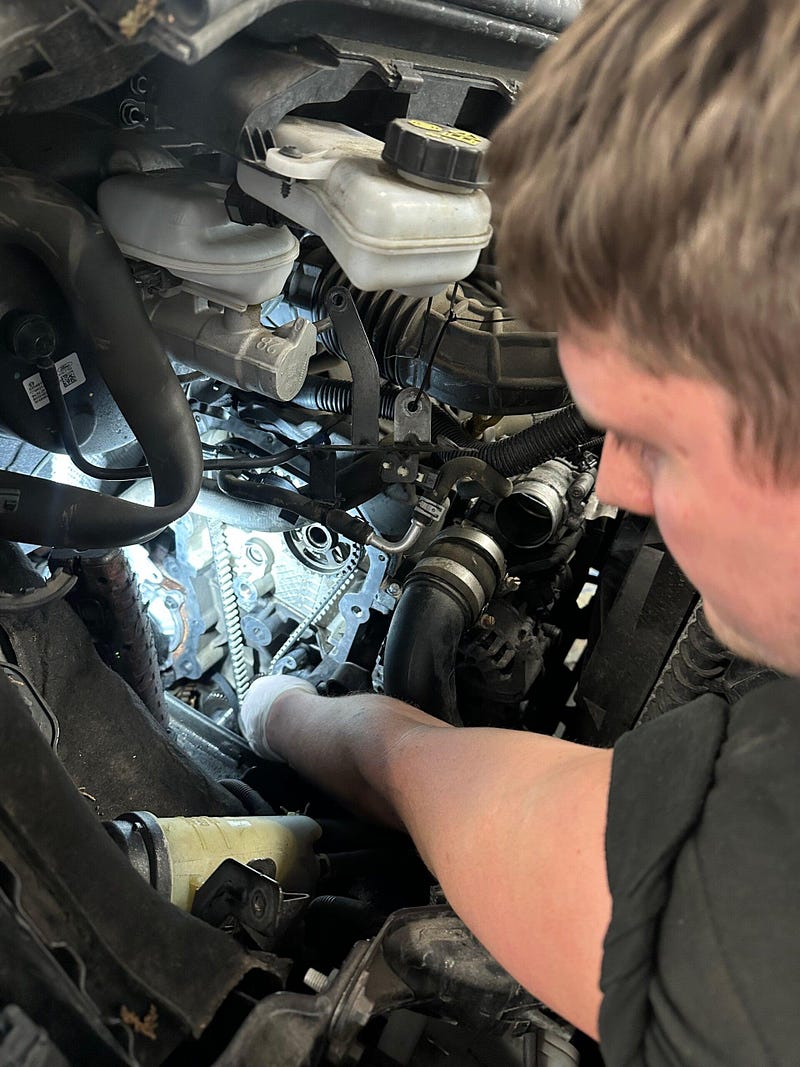
Regular servicing provides an opportunity to identify leaks, belt deterioration, tensioner problems, and other developing issues before they become major failures.
How Drivers Can Reduce the Risk of Timing Belt Failure
Preventative maintenance is generally more effective than waiting for a timing belt to fail.
A few practical habits can make a difference:
Keep service records: Knowing when the belt was last replaced makes future maintenance planning easier.
Follow manufacturer intervals: Do not assume that every vehicle has the same replacement schedule.
Investigate fluid leaks: Oil or coolant contamination around the timing system should be professionally assessed.
Pay attention to unusual noises: New rattling, ticking, or squealing sounds should be checked.
Use suitable replacement components: Correct specification parts are important for engine reliability.
Consider associated components: Ask whether tensioners, pulleys, seals, or the water pump should be replaced as part of the timing belt job.
Do not delay scheduled replacement: A belt that has reached its recommended service interval may be due for replacement even if the engine appears to run normally.

Why Preventative Maintenance Matters
The financial impact of timing belt failure can be considerably greater than the cost of planned maintenance. In interference-type engines, for example, a failed or incorrectly timed belt can allow pistons and valves to come into contact, potentially causing extensive internal damage.
This does not mean every timing belt failure results in catastrophic engine damage, but the potential consequences explain why manufacturers establish replacement intervals.
For motorists comparing Timing Belt Replacements Trowbridge options or researching Timing Belt Replacements UK, the most important consideration should be appropriate maintenance for the specific vehicle rather than simply choosing the cheapest advertised service.
A professional inspection can help establish whether the belt is due for replacement, whether associated components need attention, and whether other engine issues may be contributing to symptoms.

Conclusion
Timing belts may be hidden from view, but their role in engine operation is fundamental. Regular replacement is an important part of preventative vehicle maintenance, particularly because timing belt failure may occur with little warning.
Understanding the manufacturer’s recommended replacement interval, recognising potential warning signs, maintaining service records, and addressing oil or coolant leaks promptly can all reduce unnecessary risks.
The cost of replacing a timing belt varies according to the vehicle and the work required, while wet timing belt systems may involve additional considerations because of their design.
Ultimately, responsible timing belt maintenance is about planning ahead rather than waiting for failure. Whether arranging Timing Belt Replacements Services locally or researching maintenance options elsewhere in the UK, vehicle owners can protect engine reliability by following manufacturer guidance and using appropriately qualified automotive professionals.
Read More :
https://talvixo.com/best-10-tips-for-timing-belt-replacement-trowbridge/
https://vxengine.ru/blogs/1212/Best-10-Ways-to-Understand-MINI-One-Timing-Chain-Replacement

 English
 Arabic
 French
 Spanish
 Portuguese
 Deutsch
 Turkish
 Dutch
Dutch
 Italiano
 Russian
 Portuguese (Brazil)
 Greek
Greek