


Why Commercial Properties Need a Mosquito Prevention Plan Before Peak Season
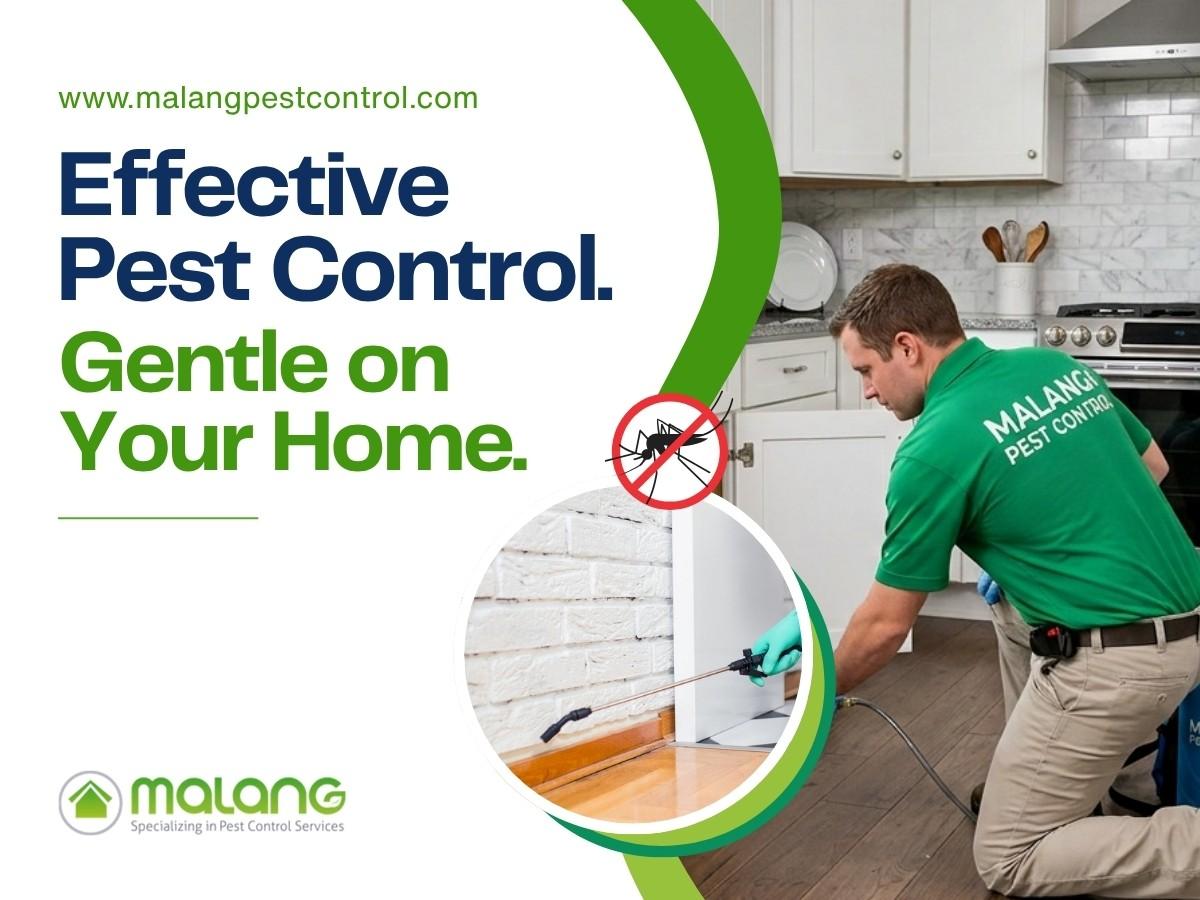
Mosquito populations can increase quickly when warm weather and standing water come together. EPA notes that some mosquito species can complete their life cycle from egg to adult in about a week under suitable summer conditions. That gives commercial property owners little room for a reactive approach once mosquito activity becomes noticeable.
A well-planned mosquito pest control services strategy can address breeding conditions before outdoor areas become uncomfortable for employees, guests, tenants, or customers.
Peak Season Is the Wrong Time to Start Looking for Water
A commercial property can hold more mosquito breeding spots than anyone realizes. Gutters, drains, plant trays, buckets, decorative features, pool covers, unused equipment, and low areas around landscaping can collect water.
Some sources are obvious. Others are easy to walk past. EPA recommends removing standing water and managing mosquito habitats as a core part of integrated mosquito management. The agency also notes that mosquitoes need water for important stages of their life cycle, so removing breeding areas can have a direct effect on future populations.
That is why a property check before peak activity makes sense. Finding a water source after mosquitoes are already biting is far less useful than finding it before the population builds.
Landscaping Can Change the Mosquito Picture
Plants themselves do not create a mosquito problem. The way a landscape is watered and maintained can.
Leaking irrigation equipment, excess runoff, clogged drainage, dense vegetation, and areas that remain damp can create conditions mosquitoes find useful. EPA recommends reducing aquatic habitats, controlling excess runoff, removing decaying vegetation, and improving air movement as part of mosquito management in managed properties.
This also means the landscaping crew and pest management team may need to work from the same information. A mosquito issue can sometimes be reduced through a simple maintenance change rather than another treatment.
Outdoor Areas Become a Business Issue
A few mosquitoes in a large outdoor space may seem minor until people stop using that space.
Restaurants may have fewer customers sitting outside. Apartment residents may avoid shared courtyards. Hotel guests may complain about patios. Employees may spend less time in outdoor break areas.
The problem can affect how people experience the property, even before anyone thinks about the insects themselves. Businesses that invest in outdoor spaces have a practical reason to protect those spaces. Prevention is not only about pest reduction. It can also help keep those areas usable.
Don't Wait for the First Wave of Complaints
Complaints are useful, but they should not be the first warning sign.
A better plan starts with monitoring. EPA's integrated pest management guidance says monitoring helps determine when action is needed and allows pest management plans to be adjusted according to what is actually happening on the property.
For a commercial property, that can mean paying attention to:
-
Standing water after rain or irrigation
-
Areas where mosquitoes are repeatedly noticed
-
Drainage problems
-
Dense or damp landscaping
-
Outdoor areas used heavily by people
-
Places that are difficult to inspect or maintain
Those observations can help identify trouble spots before they become obvious.
Adult Mosquitoes Are Only Part of the Problem
Seeing adult mosquitoes can make it tempting to focus entirely on killing them. Yet the insects flying around the property are the end result of an earlier breeding process.
EPA and CDC recommend an integrated approach that includes removing mosquito habitats, using barriers, controlling larvae, and controlling adult mosquitoes when appropriate. The agencies emphasize that targeting immature mosquitoes in breeding habitats can reduce the need for widespread adult treatment.
That changes the question from “How do we kill these mosquitoes?” to “Where are they coming from?”
That second question is often much more useful.
Some Water Sources Cannot Simply Be Emptied
Not every commercial property can remove every source of standing water.
Decorative ponds, certain drainage structures, fountains, rainwater systems, and other features may need to remain in place. Those areas can require a different approach.
EPA notes that larvicides can be used in suitable habitats to target mosquito larvae before they become adults. Bti is one example of a biological larvicide that specifically targets mosquito larvae and has minimal toxicity to honey bees according to EPA.
Treatment choices should still depend on the site, the mosquito problem, and product label requirements.
What a Prevention Plan Should Actually Cover
A useful plan does not need to be complicated. It needs to answer a few practical questions.
-
Where can mosquitoes breed here?
-
Who checks those areas?
-
What happens when standing water is found?
-
Which outdoor spaces need extra attention?
-
How will mosquito activity be monitored?
Those questions create accountability. They also prevent pest management from becoming a last-minute response whenever complaints increase.
A professional mosquito pest control services program can fit into this process by combining property inspection, monitoring, habitat reduction, and targeted treatment when needed. EPA describes this type of integrated approach as a way to manage mosquito populations while considering habitat, weather, monitoring results, and available control methods.
Peak Season Should Be the Maintenance Phase
The best time to identify weak spots is before mosquitoes become the main topic of conversation.
Once peak activity arrives, the property should already have a system for checking problem areas, responding to water buildup, monitoring mosquito activity, and protecting frequently used outdoor spaces. Waiting until people complain can leave the property playing catch-up.
A prevention plan also gives maintenance teams something concrete to act on. Instead of simply being told to “watch for mosquitoes,” staff know what to inspect and what conditions deserve attention.
A Local Property May Need a Local Strategy
Mosquito pressure is not identical across every commercial property. A restaurant with outdoor dining has different concerns from an apartment complex, office park, hotel, school, or warehouse. Landscaping, drainage, water features, surrounding properties, and outdoor traffic all change the picture.
That is why mosquito control in Orange County should start with the actual property rather than a one-size-fits-all treatment routine. A little planning before peak season can make the busy months far easier to manage.\

 English
 Arabic
 French
 Portuguese
 Deutsch
 Turkish
 Dutch
Dutch
 Italiano
 Russian
 Romaian
 Portuguese (Brazil)
 Greek
Greek