


Can Mole Removal in Dubai Be Done During Summer?
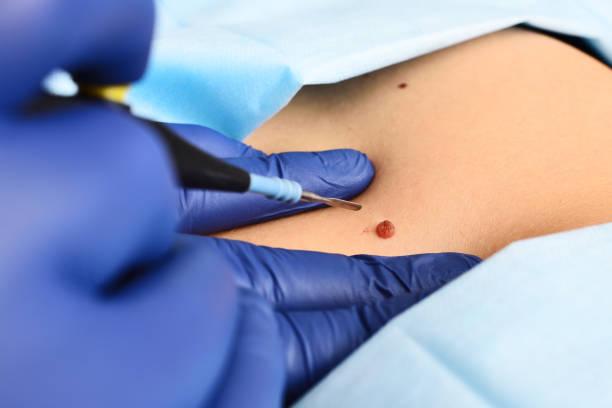
Yes, Mole Removal in Dubai can be performed during summer when a clinician determines that the mole is appropriate for treatment. However, Dubai's intense sunlight, heat, outdoor activities, and travel schedules make post-treatment care particularly important.
Summer itself does not automatically prevent mole removal. The more important consideration is whether the patient can protect the treated area and follow the recommended wound-care instructions while the skin heals. Dermatologists recommend protecting healing skin from excessive sun exposure because ultraviolet radiation can contribute to discoloration and affect the appearance of scars.
1. Is Summer a Bad Time for Mole Removal?
Not necessarily.
There is no universal rule that mole removal must only be performed during cooler months. A dermatologist can determine whether treatment is appropriate based on the mole's characteristics, the planned procedure, the patient's health, and the ability to follow aftercare instructions.
For some people, summer may actually be a convenient time because of annual leave, flexible schedules, or reduced work commitments.
The key issue is not the calendar month. It is whether the patient can manage the healing period properly.
2. Why Does Sun Exposure Matter After Mole Removal?
After a procedure, the treated skin needs time to heal.
Sun exposure can contribute to discoloration in recently injured skin. The American Academy of Dermatology recommends protecting a healing biopsy site from the sun and using appropriate sun protection once the wound has healed.
This is particularly relevant in Dubai, where strong sunlight can make outdoor exposure difficult to avoid.
Patients should therefore plan how they will protect the treated area before scheduling treatment.
3. Can You Have Mole Removal Before a Beach Holiday?
It may be possible, but timing matters.
A beach holiday usually involves considerable sun exposure, swimming, sweating, and outdoor activity. These factors may not be ideal immediately after a skin procedure.
If you are planning a holiday, discuss the dates with your clinician before treatment. You may be advised to schedule the procedure far enough in advance to allow appropriate healing.
Trying to combine fresh wound healing with an intensive beach vacation can make aftercare more difficult.
4. How Should You Plan Mole Removal Around a Dubai Summer Schedule?
Consider your upcoming activities before booking treatment.
Your schedule may include:
- Beach visits
- Swimming
- Outdoor sports
- Desert trips
- Hiking
- Long outdoor commutes
- International travel
- Weddings or social events
- Extended periods outdoors
If several activities are planned shortly after the procedure, discuss them with your clinician.
A small change in appointment timing can sometimes make wound care easier and reduce unnecessary exposure to environmental factors.
5. What Happens to the Treated Area Immediately After Removal?
The appearance of the treated area depends on the removal technique.
Some procedures leave a superficial wound, while others may involve a deeper wound that requires stitches.
The AAD explains that dermatologists may use surgical excision or surgical shave for mole removal, depending on the individual lesion.
Your clinician should explain:
- How the area will be dressed
- How to clean it
- Whether stitches are required
- When the dressing should be changed
- Which activities to avoid
- When normal skincare can resume
- When sun protection can be applied directly to the healed area
6. Can Heat Affect Mole Removal Recovery?
Heat does not automatically make mole removal unsafe, but it can make aftercare more challenging.
In Dubai's summer conditions, patients may experience substantial sweating and frequent outdoor exposure. These factors can make it harder to keep a treatment area comfortable and protected.
This is one reason why treatment planning should consider lifestyle as well as the procedure itself.
If the treated area is covered, irritated, or exposed to friction, follow the specific instructions provided by the clinician rather than changing the dressing or skincare routine independently.
7. Can You Exercise After Mole Removal in Summer?
Exercise restrictions depend on the procedure and treatment location.
Activities that produce heavy sweating, friction, stretching, or direct pressure around a healing site may need to be limited temporarily.
For example, a mole removed near an area that moves frequently during exercise may require more careful activity planning than a small lesion in a relatively protected location.
Your clinician can provide individualized instructions regarding:
- Gym workouts
- Running
- Cycling
- Swimming
- Contact sports
- Outdoor exercise
Do not return to strenuous activity simply because the treated area feels comfortable.
8. What About Swimming After Mole Removal?
Swimming should be discussed with your clinician because the appropriate timing depends on the procedure and wound condition.
A fresh wound may need to remain protected while it heals. Swimming also exposes the area to prolonged water contact and can make wound care more complicated.
If you have a holiday planned around the procedure, mention swimming in advance so your treatment schedule can be planned accordingly.
9. Can You Wear Sunscreen Immediately After Mole Removal?
Not necessarily.
Sunscreen should not automatically be applied directly to an open wound unless your clinician specifically instructs you to do so.
The AAD recommends protecting healing biopsy wounds from sunlight with appropriate covering, while sunscreen can be used on the area after it has healed. Broad-spectrum, water-resistant SPF 30 or higher is recommended for exposed healed skin.
Your clinician's instructions should take priority because wound type and treatment method vary.
10. What Is the Best Way to Protect a Healing Area From the Sun?
Physical protection can be particularly useful during the early healing period.
Depending on the treatment location, this can include:
- Staying in the shade
- Wearing protective clothing
- Using a hat for facial areas
- Avoiding unnecessary midday sun
- Covering the area as instructed
- Applying sunscreen after the wound has healed
The AAD also recommends sun-protective clothing and shade as part of protecting healing skin.
This approach can be especially practical during Dubai's sunny summer months.
11. Does Summer Increase the Risk of Dark Marks?
Healing skin can develop discoloration, and sun exposure may make this more noticeable.
The AAD notes that wounds can develop red or brown discoloration and that sun protection can help reduce this discoloration and support a less noticeable scar over time.
This does not mean that everyone will develop a dark mark.
Skin type, wound depth, location, healing response, and sun exposure can all influence the final appearance.
12. What If You Have Darker Skin?
Patients with darker skin may need additional attention to post-inflammatory pigmentation after skin injury.
This does not mean mole removal should be avoided during summer. It means that sun protection and individualized treatment planning become particularly important.
The clinician may consider skin characteristics when selecting a procedure and discussing expected healing.
Patients should also avoid comparing their healing process directly with someone else's because pigmentation responses can vary considerably between individuals.
13. Should You Delay Removal Until Winter?
Not automatically.
If a mole is bothersome, changing, or medically concerning, waiting several months solely because it is summer may not be appropriate.
The AAD recommends professional assessment for moles that change, itch, or bleed.
For a purely cosmetic mole, however, the patient and clinician can consider whether summer or a cooler period is more convenient based on lifestyle and aftercare requirements.
14. When Might Winter Be More Convenient?
Although summer does not automatically prevent treatment, cooler months may be more convenient for people who struggle to avoid outdoor exposure.
Winter can make it easier to:
- Cover treated areas
- Avoid intense sunlight
- Reduce outdoor sweating
- Schedule treatment around fewer beach activities
- Plan recovery without major holidays
- Wear protective clothing comfortably
This is a convenience consideration rather than a universal medical requirement.
15. What If You Need Mole Removal Before an Important Event?
Timing should be planned carefully.
If you have a wedding, photoshoot, holiday, graduation, or major professional event coming up, tell your clinician before treatment.
Even a straightforward procedure can leave temporary redness, swelling, crusting, a wound, or a healing mark.
There is no reliable way to guarantee that the skin will look completely normal by a specific event date.
16. How Should You Prepare for Summer Mole Removal?
Before your appointment, consider your schedule and aftercare environment.
Useful preparation can include:
- Identify upcoming holidays or outdoor activities.
- Tell the clinician about planned swimming or sports.
- Ask how long the area may need protection.
- Ask when normal skincare can resume.
- Understand how the wound should be covered.
- Ask when sunscreen can be applied to the treated area.
- Plan clothing that will not repeatedly rub the site.
- Keep the recommended wound-care supplies available at home.
The goal is to make proper aftercare practical rather than disruptive.
17. What Warning Signs Should You Watch For?
Patients should monitor the treatment area during recovery.
Contact your clinician if you experience concerning changes such as:
- Increasing pain
- Worsening swelling
- Increasing warmth
- Pus or unusual drainage
- Significant bleeding
- Fever
- A wound that appears increasingly inflamed
The AAD lists worsening pain, increased swelling, warmth, pus-like drainage, yellow or golden crusting, and fever among possible signs of infection after a skin biopsy.
Do not ignore symptoms simply because the procedure was minor.
18. What If the Mole Was Suspicious?
Seasonal planning should never take priority over medical evaluation.
If a mole is changing, bleeding, itching, or otherwise concerning, it should be assessed by a qualified clinician rather than postponed solely because of summer.
The purpose of removing a suspicious lesion may be diagnostic as well as therapeutic. The AAD explains that removed mole tissue may be examined under a microscope to check for cancer cells.
The appropriate timing should therefore be based on the clinical situation.
19. Why Professional Removal Matters in Summer
Attempting to remove a mole at home can create an open skin injury without appropriate medical assessment.
The AAD warns that DIY mole removal can cause infection, uncontrolled bleeding, scarring, and delayed diagnosis of skin cancer.
These risks can be especially inconvenient during summer when patients may already be dealing with heat, sweating, outdoor activities, and travel.
Professional treatment allows the mole to be assessed and the procedure selected according to the individual lesion.
Frequently Asked Questions
Can Mole Removal in Dubai be done in summer?
Yes. Summer does not automatically prevent mole removal. The main consideration is whether you can follow the recommended aftercare and protect the treated area from excessive sun exposure.
Can I go to the beach after mole removal?
You should ask your clinician when beach activities are appropriate. Freshly treated skin may require protection while it heals, and prolonged sun exposure may contribute to discoloration.
Can I swim after mole removal?
Swimming may need to be postponed depending on the procedure and wound condition. Ask your clinician for specific instructions rather than relying on a general timeframe.
Should I use sunscreen on a fresh mole-removal wound?
Do not apply sunscreen directly to an open wound unless your clinician specifically recommends it. Physical protection may be preferred during early healing, with sunscreen generally used on healed exposed skin.
Is winter better than summer for mole removal?
Winter can be more convenient for some people because outdoor sun exposure may be easier to manage, but there is no universal requirement to wait until winter.
Can heat cause complications after mole removal?
Heat itself does not automatically cause complications, but sweating, friction, outdoor exposure, and difficulty maintaining wound care can make recovery less convenient.
Should I delay removal of a changing mole until winter?
No. A changing, itching, or bleeding mole should be professionally assessed rather than delayed simply because of the season.
The Strategic Investment
Mole removal does not have to be limited to cooler months, but summer treatment in Dubai requires thoughtful planning. Strong sunlight, beach activities, swimming, exercise, sweating, and travel can all affect how easily a patient follows post-treatment instructions.
For patients researching mole removal treatment options in Dubai, the best timing depends on the mole itself, the planned procedure, personal schedule, and ability to protect the treated area while it heals.
For personalized assessment and treatment planning, Tajmeels Clinic provides aesthetic and healthcare services in Dubai with recommendations based on individual needs and clinical considerations.

 Arabic
 French
 Spanish
 Portuguese
 Deutsch
 Turkish
 Dutch
Dutch
 Italiano
 Russian
 Romaian
 Portuguese (Brazil)
 Greek
Greek